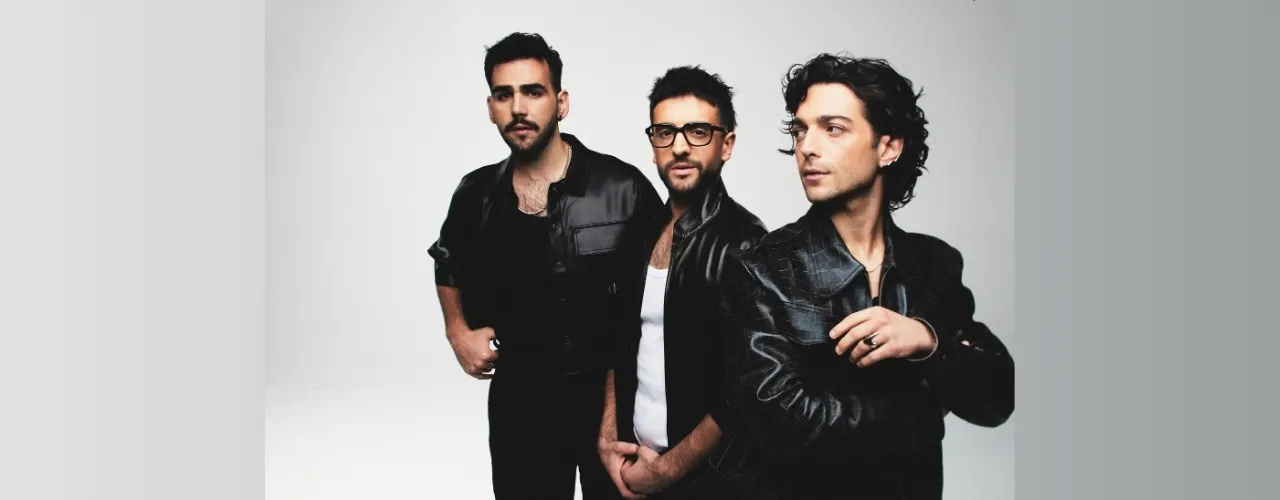
Live performances are rarely as predictable as they seem. Even the most carefully planned concerts can take an unexpected turn, shaped by the energy of the crowd or events beyond the artists’ control. During a recent show in Rome, Il Volo encountered one of those moments—and their response has since drawn attention.
According to accounts shared online, the concert was unfolding as expected when protest chants began to emerge from parts of the audience. The exact cause isn’t fully clear, but it was enough to briefly shift the mood inside the venue.
Rather than pausing the performance or addressing the situation directly, Piero Barone, Ignazio Boschetto, and Gianluca Ginoble chose a quieter, more symbolic approach. Without much warning, they began singing “Il Canto degli Italiani.”
The effect was gradual but noticeable. At first, the trio’s voices stood alone, steady and composed. Then, audience members began to join in—first in small numbers, then more widely. What had felt like a divided atmosphere started to shift toward something more collective.
Moments like this are difficult to fully verify in detail, especially when much of the information comes from social media clips and personal accounts. Still, the overall impression shared by those present is consistent: the performance moved from tension to a sense of unity.
The choice of song played a key role. As Italy’s national anthem, “Il Canto degli Italiani” carries a strong cultural meaning. In that setting, it became a point of connection—something familiar that people could rally around, regardless of what had come before.
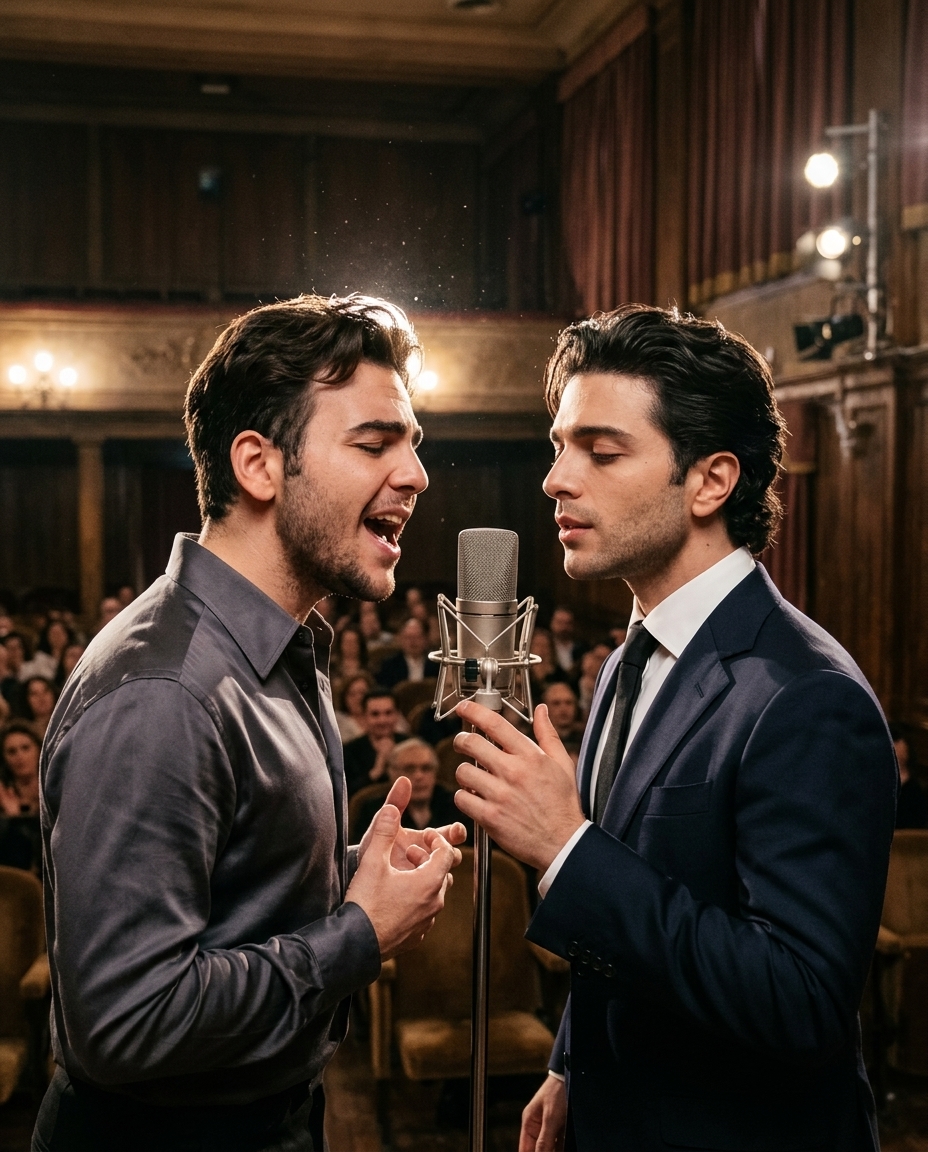
For Il Volo, whose music often blends classical tradition with modern appeal, the response reflected a measured approach. Instead of escalating the situation, they redirected it through music, allowing the moment to evolve rather than confront it directly.
Some quotes attributed to the trio after the performance have circulated as well, touching on themes of expression and unity. However, like many viral statements, not all of them have been independently confirmed.
What remains clear is the impact of the moment itself. For those in attendance, it wasn’t just another performance—it was an instance where the direction of a live event changed in real time.
Whether seen as symbolic, spontaneous, or simply human, the moment highlights something fundamental about live music: its ability to reshape the atmosphere. In a space filled with thousands of voices, sometimes it only takes a few to set a new tone.
And in that brief shift, the concert became something more than planned—it became something shared.