In 1998, when Linda McCartney passed away, the loss was felt far beyond headlines. For Paul McCartney, it marked a deeply personal turning point — one that couldn’t be measured in public appearances or chart-topping songs.
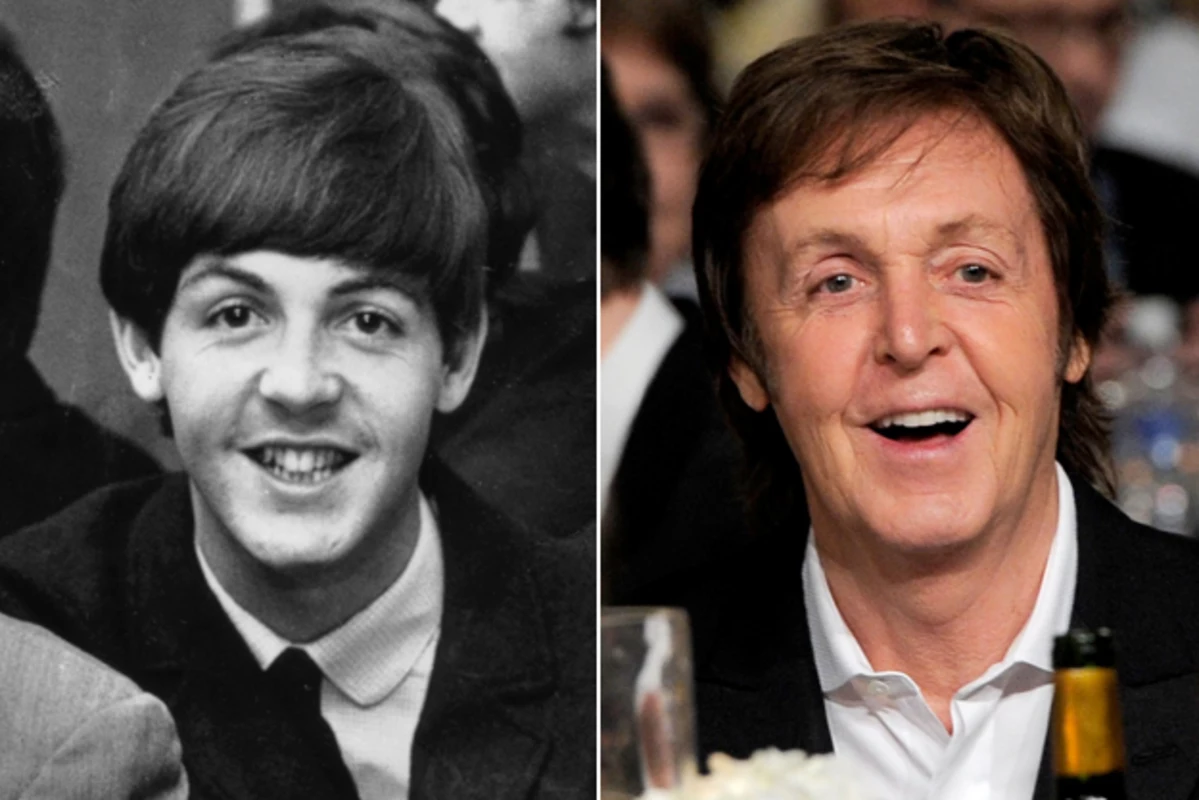
At 55, McCartney had already lived a life that most could hardly imagine. Decades of global fame, cultural influence, and musical innovation had placed him among the most recognized figures in the world. But none of that shielded him from the kind of loss that changes everything quietly, from the inside.
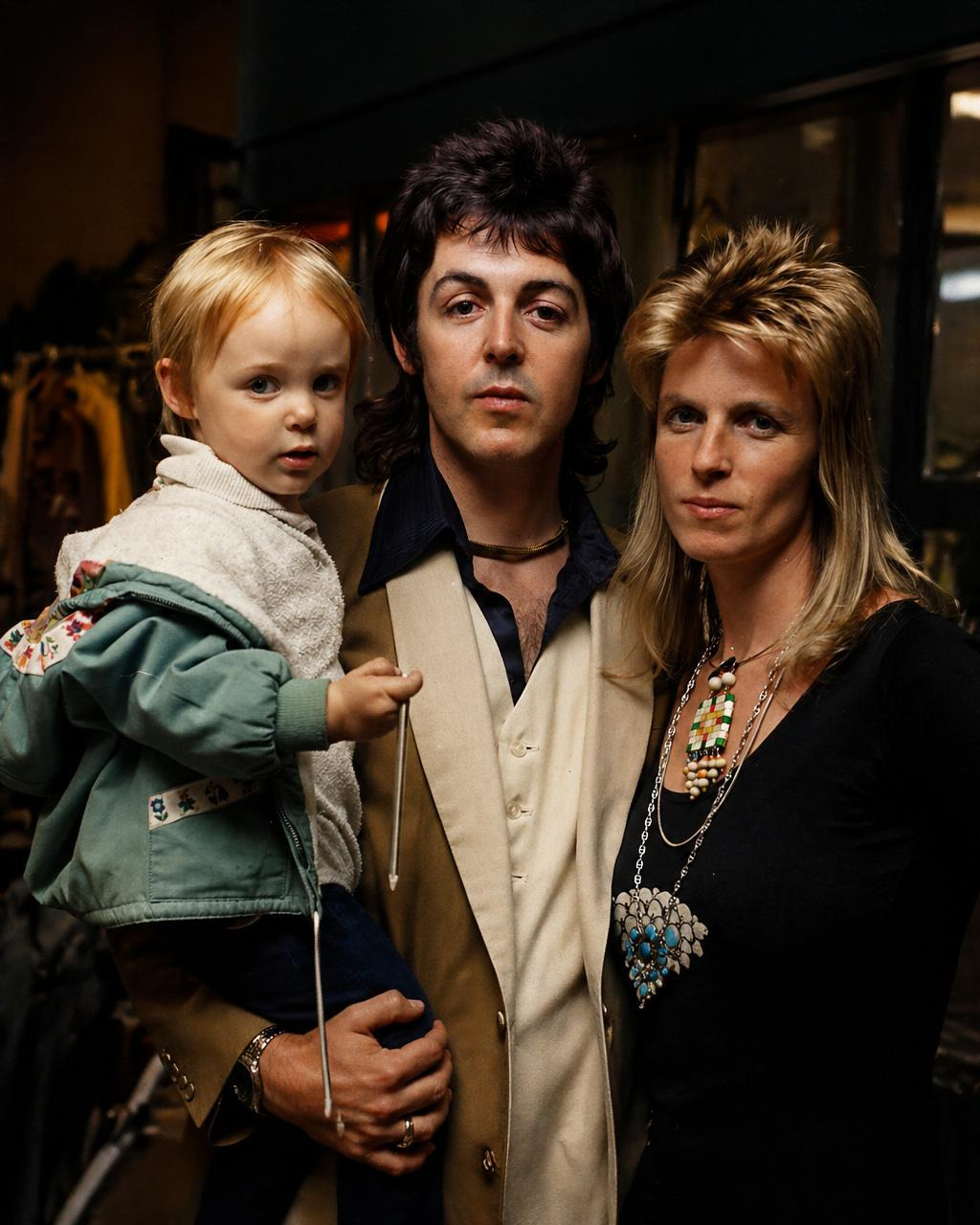
Linda had been more than a partner. She had been a constant presence through every chapter — from the height of Beatlemania to the quieter years that followed. Together, they built a life that balanced the extraordinary with the everyday: raising a family, retreating to the countryside, and finding moments of normalcy away from the relentless attention of the public eye.
When she died, there was no dramatic public expression of grief from McCartney. No attempt to turn sorrow into spectacle. Instead, he stepped back. It was a choice that spoke volumes — not about distance, but about depth.
Those close to him described a period defined by reflection rather than performance. Time spent with family. Time spent looking through photographs. Time spent with memories that didn’t need to be explained to anyone else. It was, in many ways, a return to something private — a space where grief could exist without interruption.
What often stands out in conversations about their relationship is its length. Nearly thirty years together. In a world where time can feel compressed and fleeting, that kind of enduring connection carries its own quiet weight. It wasn’t just about how long they were together, but how fully those years were shared.
One remark from someone close to McCartney captures the loss in a way statistics never could: he didn’t just miss Linda herself — he missed the feeling of being around her. The environment she created. The sense of comfort, familiarity, and presence that can’t be replicated.
It’s an idea that resonates beyond fame. Because while McCartney’s life has unfolded on a global stage, the essence of that loss is deeply universal. Anyone who has loved someone deeply understands that absence is not just about a person being gone — it’s about the space they once filled, now left quiet.
For fans, it can be easy to focus on the music, the legacy, the public figure. But moments like this reveal something more human. They remind us that behind the iconic songs and historic achievements is a life shaped by the same emotions that define everyone else’s — love, companionship, and loss.
And sometimes, even for someone whose music has filled stadiums around the world, the hardest thing to face is not the noise of fame — but the silence that follows when someone irreplaceable is gone.