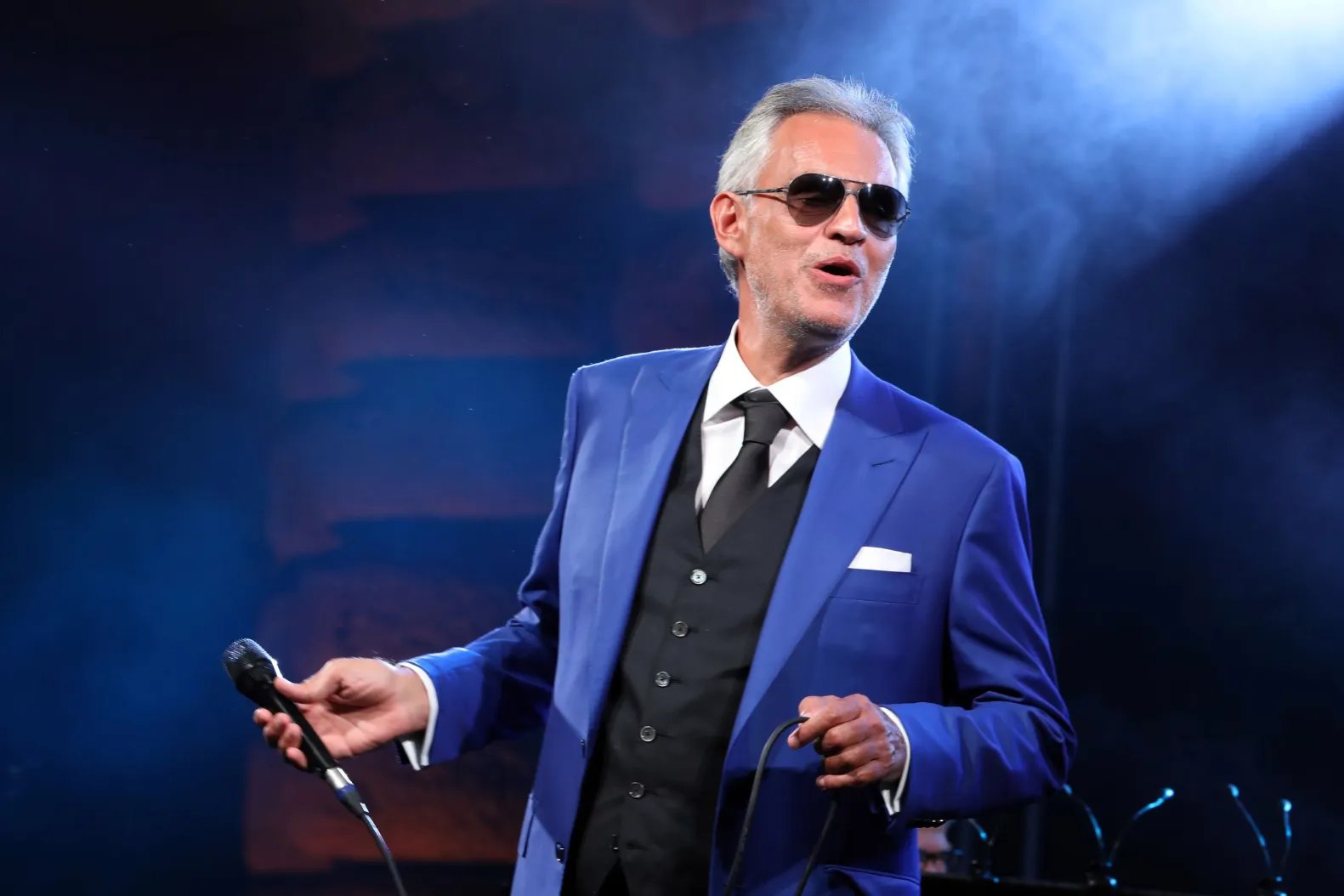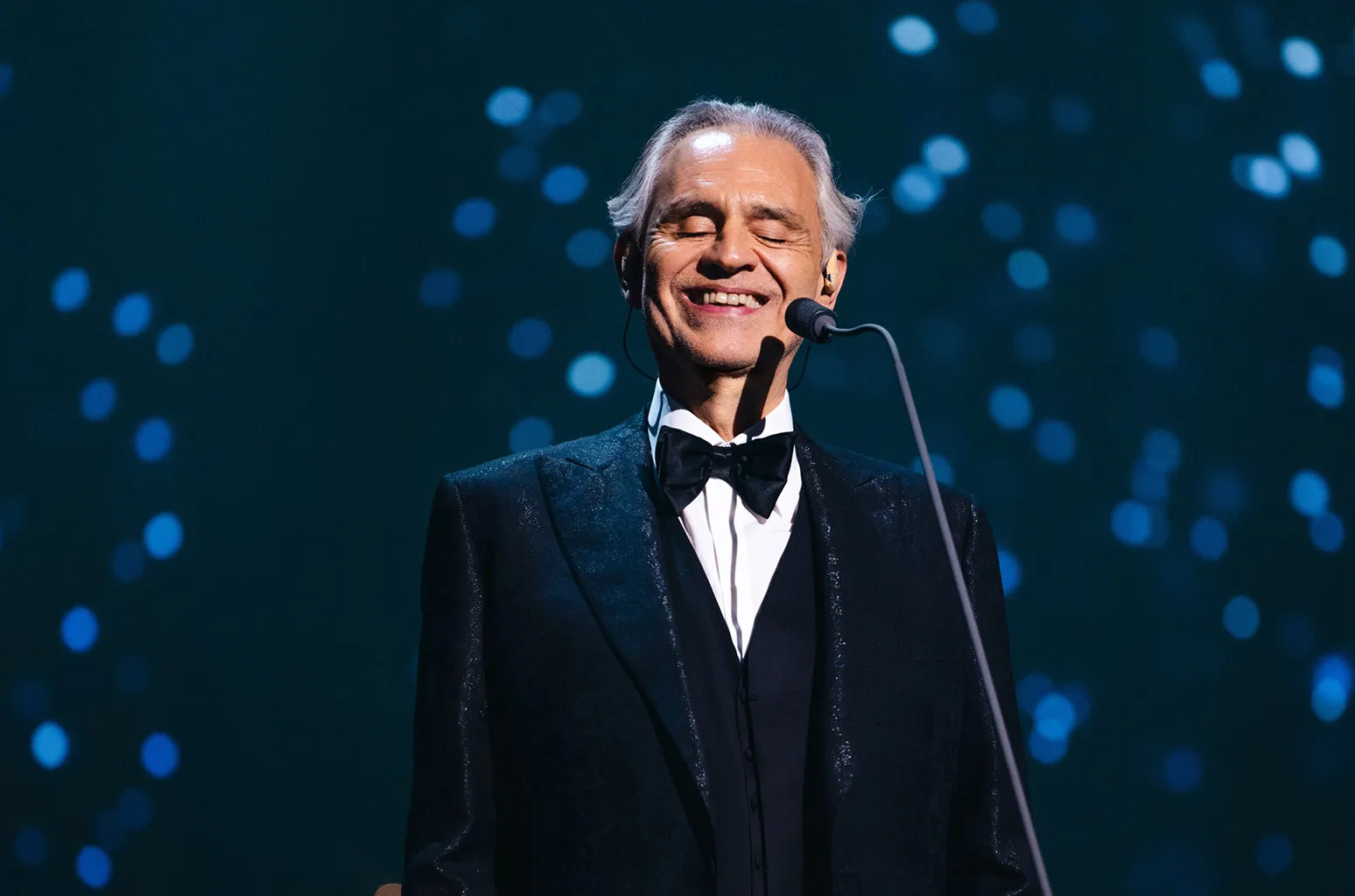
During a recent concert at Madison Square Garden in New York, Andrea Bocelli found himself at the center of an unexpected moment that quickly spread across social media and fan discussions.
According to accounts from attendees, a brief disturbance emerged near the front of the venue during the performance. While details shared online vary in interpretation, what stood out most to audiences was not the disruption itself, but Bocelli’s response—or rather, his lack of visible reaction.
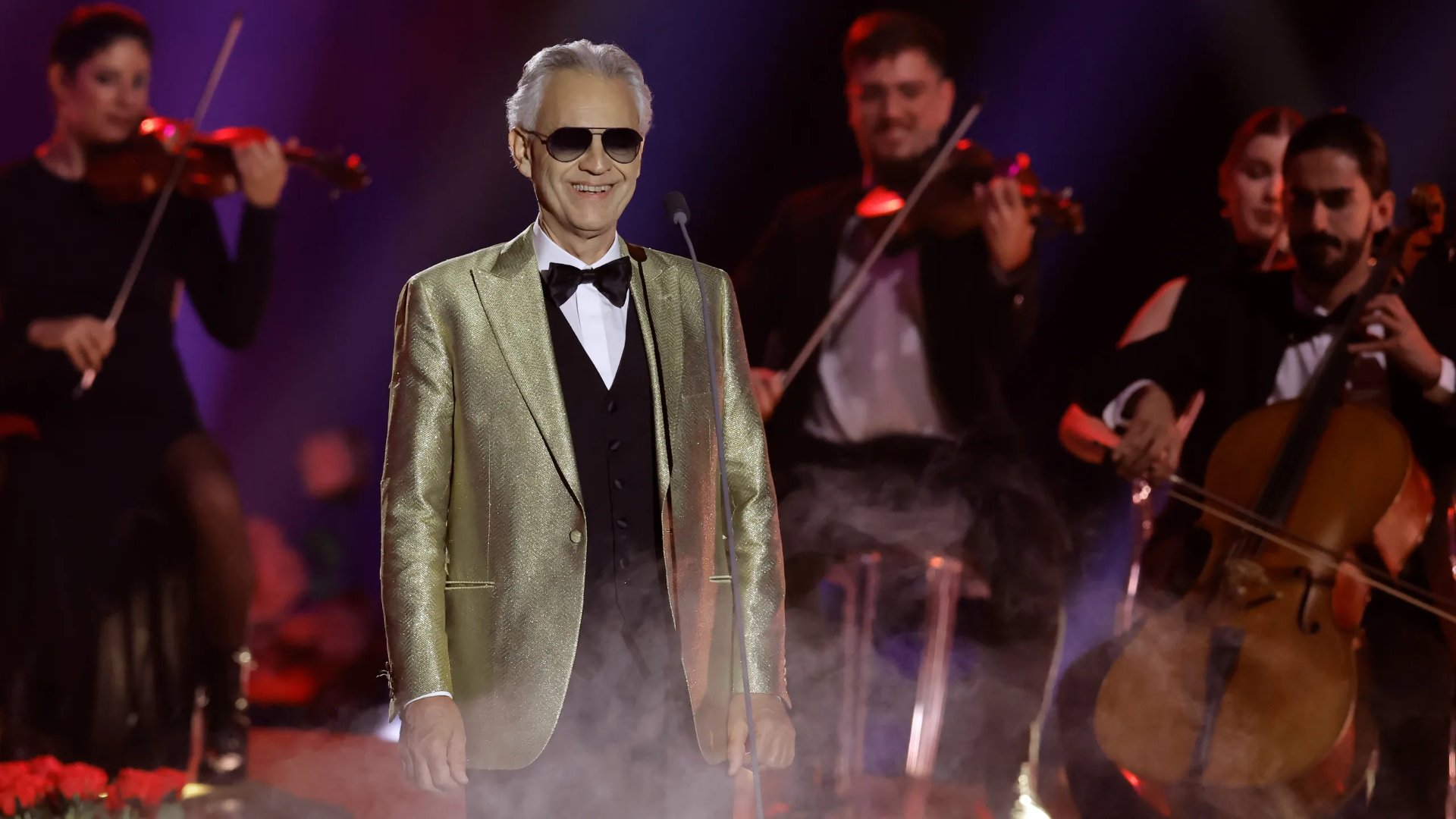
Rather than engaging with the situation or allowing it to shift the tone of the evening, Bocelli continued performing with the same focus and control that define his stage presence. Known globally for his crossover appeal in both classical and contemporary music, his performances are often marked by emotional intensity and technical precision, and this night was no exception in that regard.
Audience members noted that the flow of the concert remained steady, with the music taking precedence over everything happening in the periphery. For many, that consistency reinforced the atmosphere of the performance rather than disrupting it.
Moments like these highlight a broader reality of live performance at large-scale venues: unpredictability is always possible, but experienced artists often rely on discipline and focus to maintain the integrity of the show. Bocelli’s career, spanning decades and international stages, reflects that kind of professional steadiness.
While online reactions have varied, much of the attention has centered on his composure. Fans pointed to his ability to remain anchored in the music as a defining aspect of his artistry, regardless of external circumstances.
It is also worth noting that live events, especially in large arenas, can sometimes involve brief audience disturbances that are quickly resolved or de-escalated. In this case, no official statement has indicated any escalation beyond the moment described by attendees.
What remains consistent in accounts of the evening is the continuity of the performance itself. The music did not stop, the program continued, and the structure of the concert remained intact.
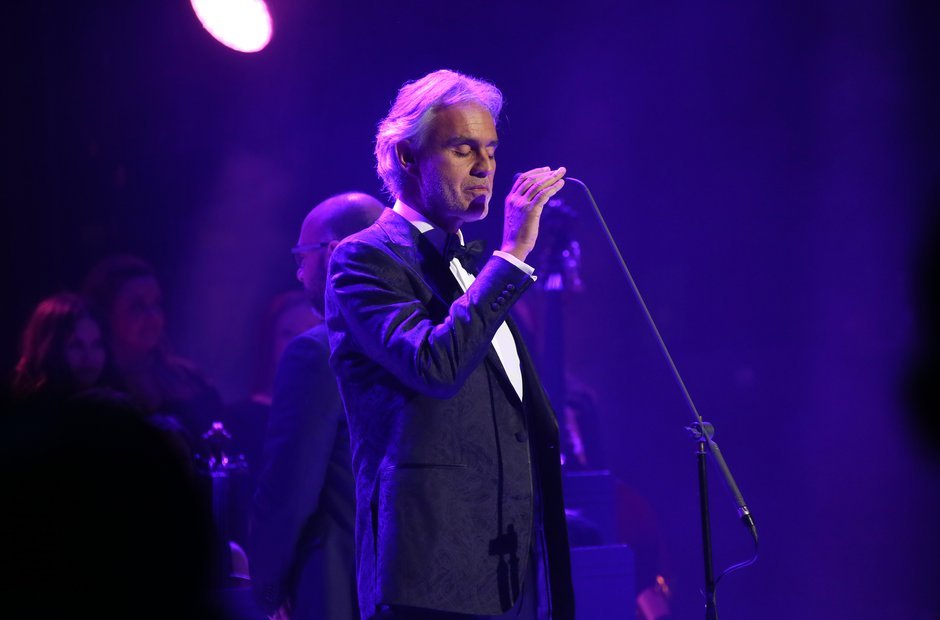
For many in attendance, that continuity is what defined the night more than anything else. The focus remained on the performance, the orchestra, and Bocelli’s voice—elements that have long been the foundation of his global reputation.
In the end, the moment being widely discussed is less about disruption and more about response. A reminder that on stage, control is often expressed not through reaction, but through continuation.
And in this case, the music never paused.