In the world of professional music, the show must often go on, regardless of the storms raging behind the scenes. For Ignazio Boschetto, that storm arrived at a time when the world was watching most closely. The loss of his father, Vito, was not just a personal tragedy; it was a test of the very foundation upon which Il Volo was built. Fans will never forget the period where the trio’s soaring harmonies were tinged with a raw, human fragility that no rehearsal could have prepared them for.

The imagery of an “empty seat” serves as a powerful metaphor for the void left behind when a parent passes, especially one who was as instrumental to the boys’ journey as Vito was. During those first performances following the loss, the atmosphere in the arena shifted. The audience wasn’t just there for the music; they were there to witness a young man navigate the most difficult transition of his life in the public eye.
As Ignazio stood on stage, there were moments where the technical perfection of his tenor gave way to something much deeper—a falter in his breath, a gaze that drifted toward the wings, a note held with a trembling hand. It was in these seconds of intense vulnerability that the true story of Il Volo unfolded.
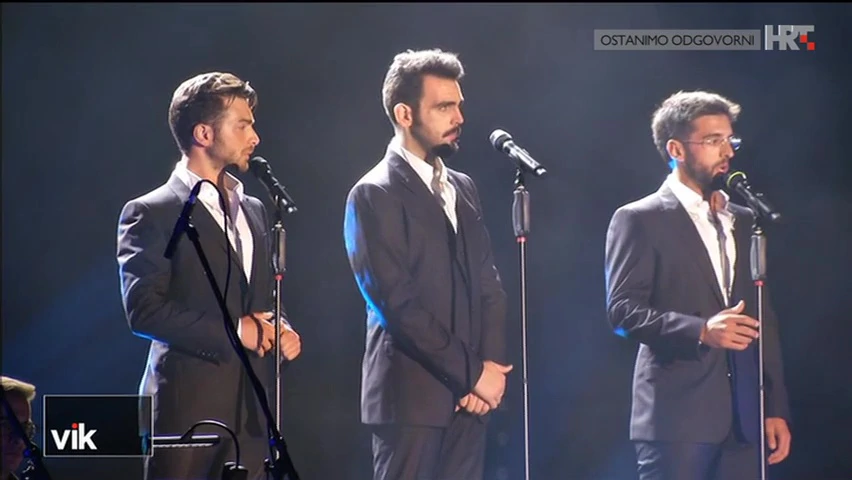
“Insiders”—and indeed anyone who has seen them live—know that what happened next defines who these men are. Piero Barone and Gianluca Ginoble did not simply continue their parts. Instead of following the rigid structure of the arrangement, they instinctively closed the physical and emotional gap on stage. They moved closer to Ignazio, offering silent glances of encouragement and subtly leaning into the microphones to carry the melody when his voice grew heavy with emotion.

It was a masterclass in empathy. They didn’t overshadow him; they anchored him. They provided the vocal “safety net” that allowed Ignazio to be both a grieving son and a world-class artist at the same time. This wasn’t a performance for a television crew or a ticket-buying public; it was a private conversation between three brothers who had grown up together under the most intense pressures imaginable.
Today, years later, that period remains a defining chapter in their legacy. It changed how fans see Il Volo. They are no longer just the “three tenors” with incredible range; they are a symbol of resilience. They proved that while a single voice might falter, a brotherhood is unbreakable. When Ignazio looks back on those nights, he surely remembers the pain, but he likely also remembers the two hands on his shoulders that reminded him he would never have to sing through the silence alone.