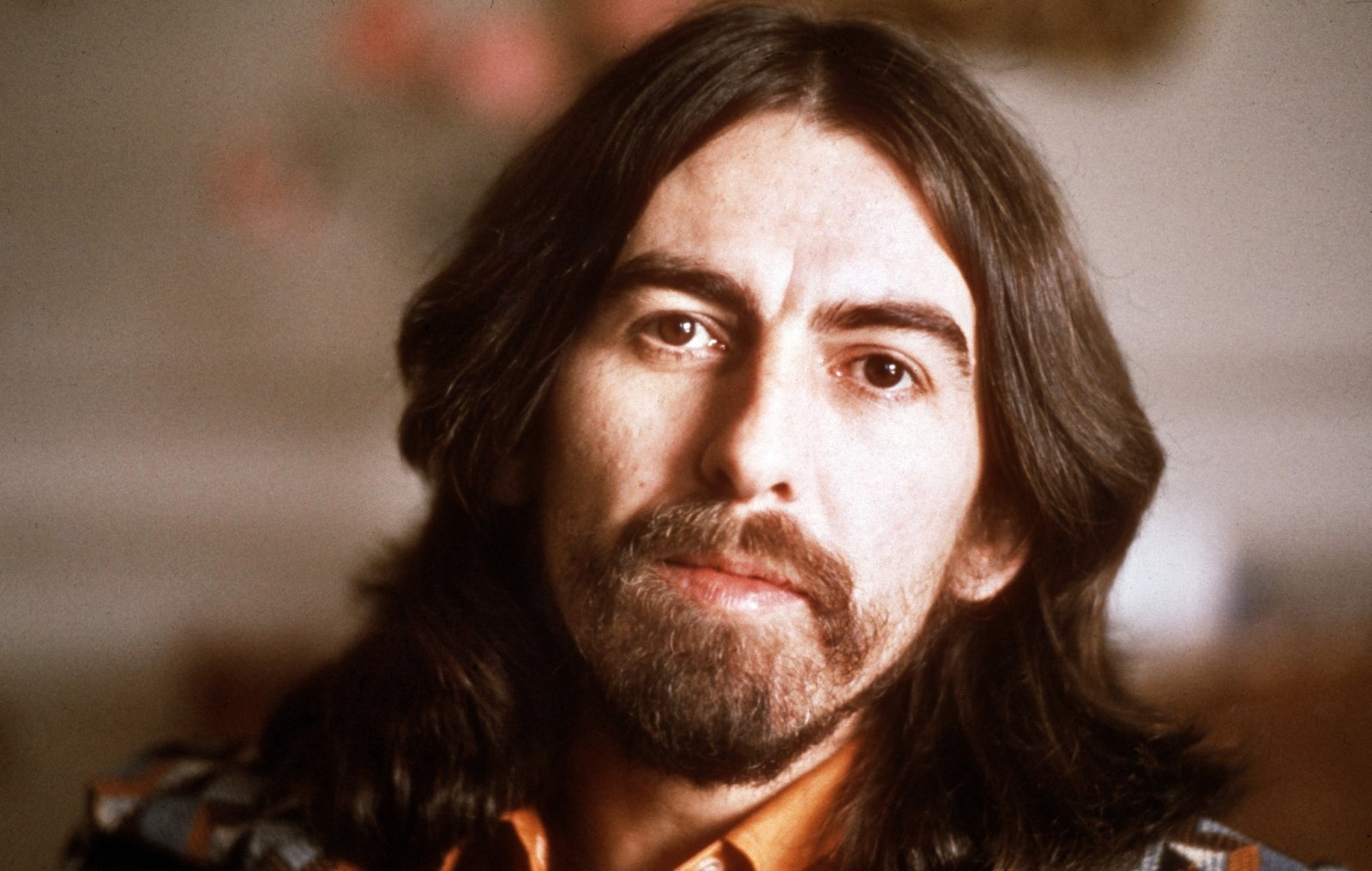
In the final months of George Harrison’s life, members of The Beatles are reported to have shared private and emotional moments that contrasted sharply with the public legacy they had built together over decades.
One of the most frequently discussed accounts centers on a visit in November 2001, when Paul McCartney and Ringo Starr reportedly joined Harrison in a Manhattan hotel room during a period of serious illness.

Rather than a formal or heavily emotional farewell atmosphere, those accounts describe something more understated and personal. The conversation, according to recollections shared over the years, shifted quickly away from illness and toward memory — particularly the group’s early days performing in Hamburg, Germany, before global fame reshaped their lives entirely.
Those early years were defined by intense schedules, small clubs, and relentless performances that forged the foundation of their musical identity. Revisiting those memories reportedly brought a sense of familiarity and ease into the room, replacing heaviness with shared understanding.
Even in declining health, Harrison is often remembered in these stories as maintaining a calm and thoughtful presence. Rather than focusing on his own condition, he is said to have continued showing concern for those around him, a trait that many fans associate with his introspective personality throughout his career with The Beatles and beyond.

Later accounts from Ringo Starr’s visits to Switzerland during Harrison’s final days have also been widely shared in Beatles retrospectives. These moments are often described as quiet, private exchanges rather than dramatic farewells. In these recollections, the focus remains on presence rather than performance — simply being together in a difficult time.
One particularly emotional story often referenced in fan discussions involves a brief exchange between Harrison and Starr, remembered for its simplicity and warmth. While details vary across retellings, the emotional core of the moment has remained consistent in public memory: a reminder of long-standing friendship enduring through illness and change.

What makes these accounts resonate so strongly with fans is not spectacle, but contrast. The same group that once filled stadiums and changed the direction of modern music also shared small, human moments far removed from public life.
In the end, these stories continue to circulate not because of their drama, but because they reflect something universal — the way time, friendship, and memory remain meaningful even as everything else changes.

For many admirers of The Beatles, they serve as a quiet final chapter to one of the most influential musical journeys in history.