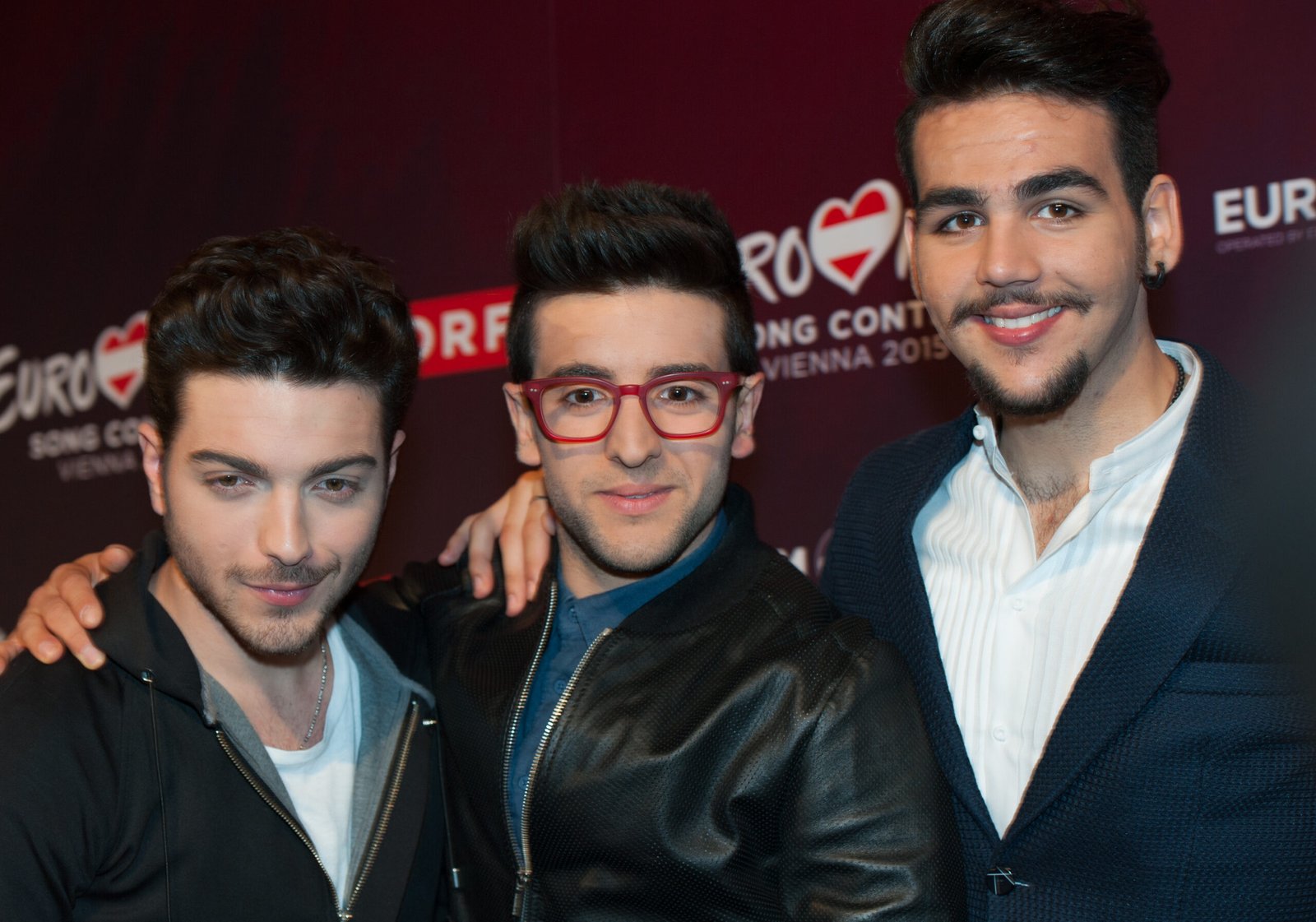
Inside the Vatican this morning, the atmosphere was calm, formal, and familiar — at least at first. Guests gathered expecting a traditional musical performance, the kind often associated with important religious and cultural events. But by the time Il Volo finished singing their second song before Pope Leo XIV, many in the room reportedly felt something far more personal had taken place.
There were no dramatic announcements introducing the trio. No grand theatrical entrance. The moment began quietly, almost modestly, as the three singers stepped forward beneath the Vatican’s towering architecture.
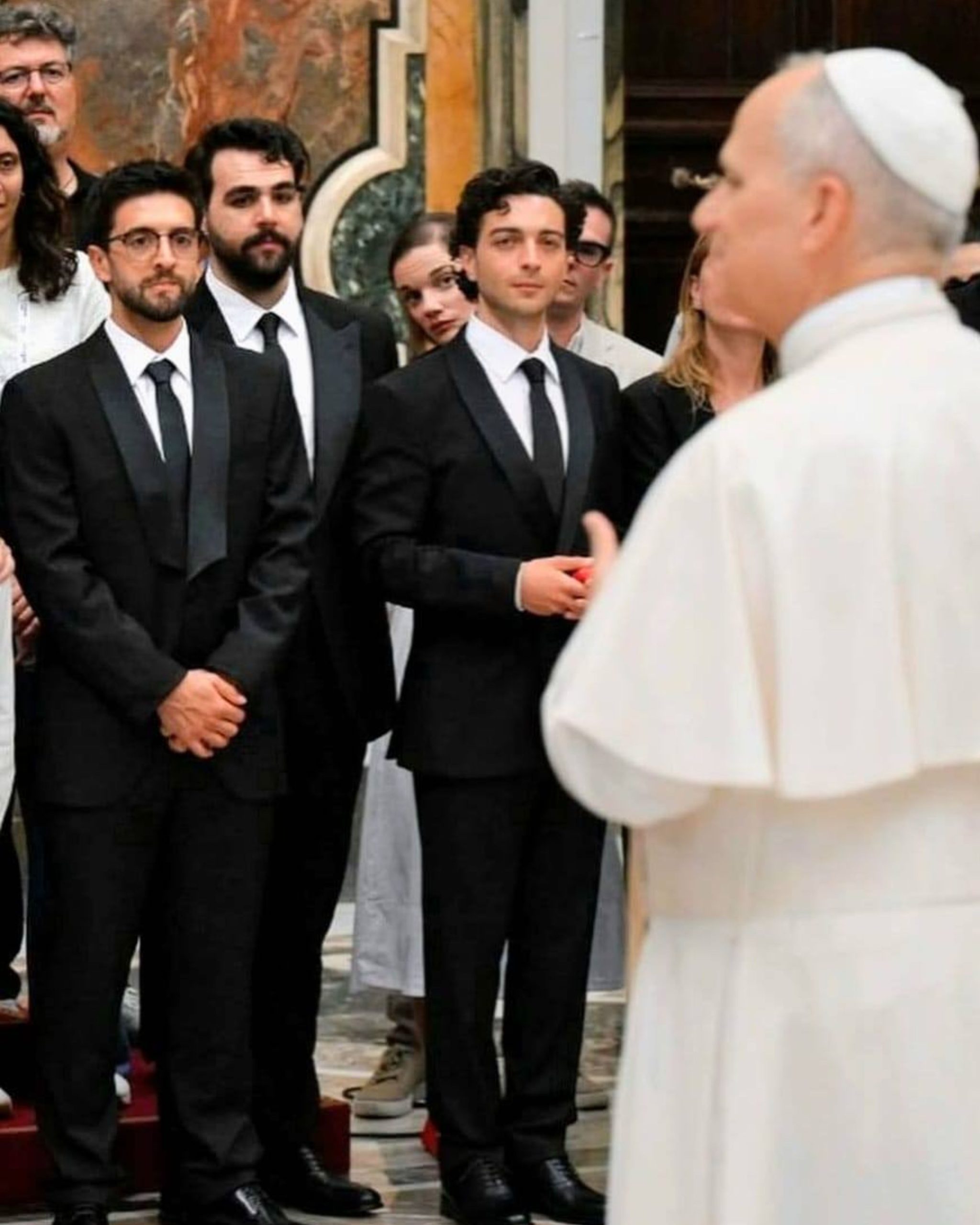
From the opening notes of the first song, witnesses described the room’s atmosphere shifting noticeably. The performance carried a softness that felt closer to prayer than entertainment. Rather than overwhelming the audience with spectacle, Il Volo relied on restraint, allowing the emotion within the music to fill the silence naturally.
The second song changed the mood even further.
Attendees later described it as unexpectedly intimate — less like a formal selection chosen for ceremony and more like something deeply personal being shared aloud. Though performed within one of the world’s most symbolic religious spaces, the music reportedly felt human and vulnerable rather than distant or grand.
What many people noticed most, however, was the reaction of Pope Leo XIV throughout the performance.
According to witnesses, the Pope never glanced at the printed program in front of him. He remained completely focused on the singers from beginning to end, listening without interruption or movement. In a room filled with dignitaries, officials, and invited guests, his stillness became its own quiet form of attention.
Then came the moment that people continue discussing afterward.
When the final note faded, the room did not immediately erupt into applause the way audiences often do after high-profile performances. Instead, there was silence — long enough for people to become aware of it.
No one seemed eager to break the moment too quickly.
For several seconds, according to those present, the atmosphere inside the Vatican felt suspended between reflection and emotion. It was not an uncomfortable silence, but something more reverent, as though the audience collectively understood that responding too quickly might somehow diminish what they had just experienced.
Only afterward did applause slowly begin to spread through the room.
Observers later said the silence itself became one of the most powerful parts of the morning. In a world constantly filled with noise, immediate reactions, and public commentary, the absence of words carried unusual weight.
Part of what made the moment resonate so deeply may be Il Volo’s unique style. The trio has long blended classical influences with contemporary emotion, creating performances that often feel timeless rather than tied to any one genre or generation. Their ability to balance technical precision with emotional vulnerability has earned them audiences far beyond traditional opera or pop music circles.
Inside the Vatican, that balance appeared especially meaningful.
For some attendees, the performance became more than music. It felt like a reminder of how art, faith, and silence can sometimes communicate more powerfully together than speeches ever could.
And perhaps that explains why so many people left the room speaking less about the songs themselves and more about the feeling that remained after they ended.
Because occasionally, the moments people remember most are not the loudest ones.
They are the quiet moments when nobody feels ready to speak at all.