By 1968, The Beatles were no longer the carefree group that had conquered the world together earlier in the decade. Fame, exhaustion, creative differences, and personal changes had begun reshaping the dynamic between the four musicians. During the recording sessions for The Beatles — better known to fans as the White Album — even the smallest moments inside Abbey Road Studios could carry enormous emotional weight.
One story from those sessions has survived for decades because it captured the tension in the room without anyone raising their voice.
As the band worked through another long day in the studio, Yoko Ono was reportedly seated on an amplifier beside John Lennon. To anyone unfamiliar with the group’s routines, it might have looked completely ordinary. But for The Beatles, the studio had always operated with an almost invisible code of conduct. Their instruments and equipment were personal spaces, and the recording room itself functioned with habits formed over years of working closely together.
People who were there later claimed that George Harrison finally glanced up from his guitar and quietly addressed the situation. His words were simple: “That’s not a chair. And this isn’t how we do things.”
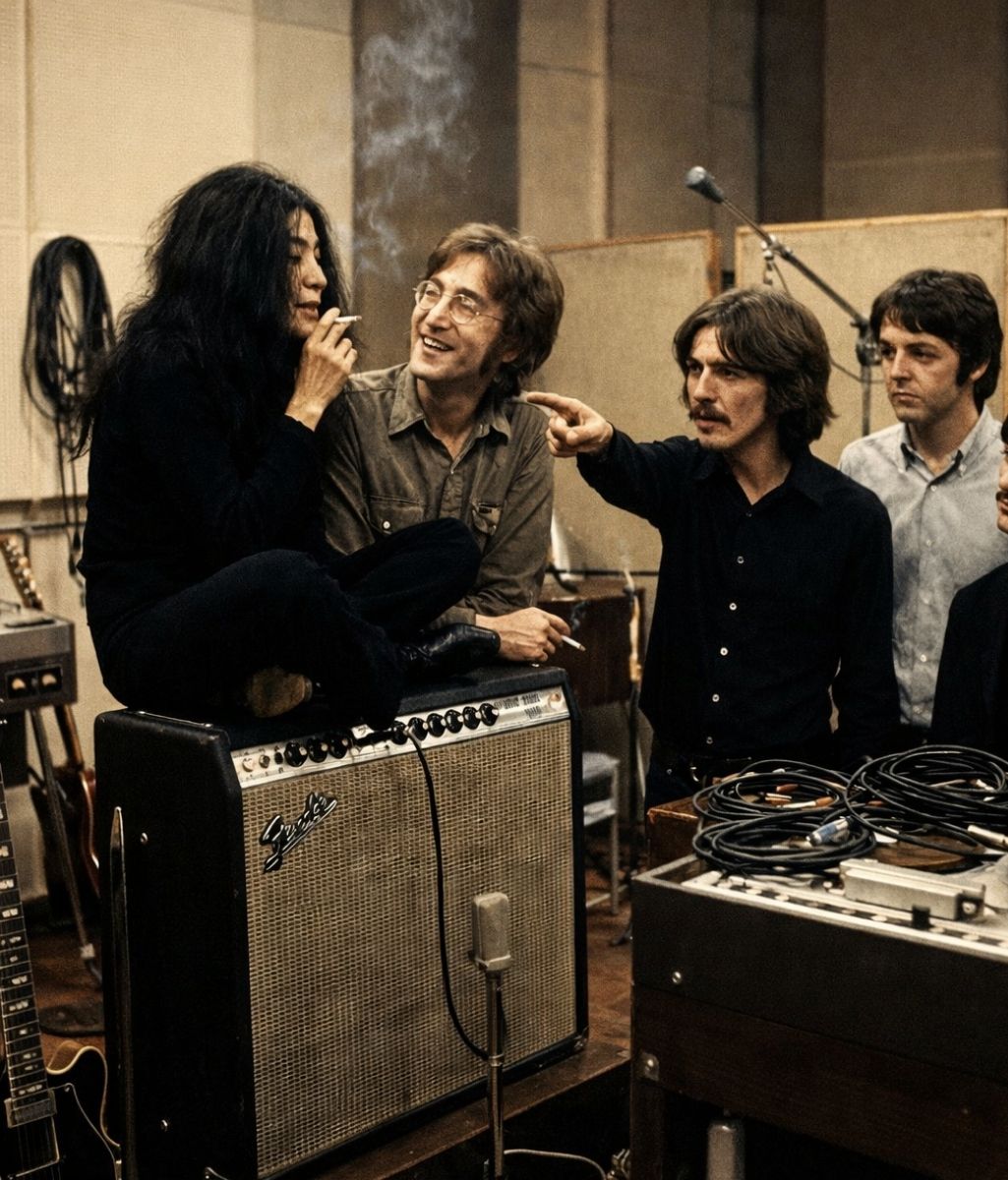
There was no shouting. No dramatic confrontation. Yet witnesses said the effect was immediate.
Paul McCartney reportedly stopped playing in the middle of a note. Ringo Starr avoided looking at anyone directly. The room, usually filled with conversation and music, suddenly became heavy with silence.
For many fans, the story has become symbolic of a larger shift happening within the band at the time. Yoko Ono’s growing presence in the studio was often viewed by outsiders as controversial, largely because The Beatles had traditionally kept their recording sessions private. Partners and friends rarely sat directly in the creative circle while songs were being developed. John, however, had begun breaking many of the group’s old patterns, and his desire to keep Yoko constantly nearby represented a major change from the band’s earlier years.
What makes the story linger in Beatles history is not just George’s comment, but what allegedly followed.
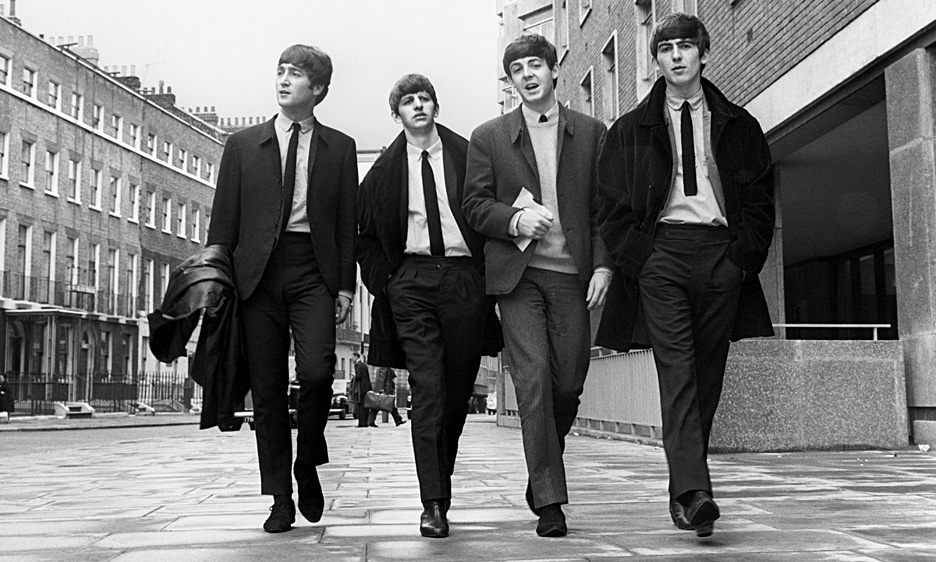
According to one longtime studio insider, John leaned toward George moments later and quietly muttered something under his breath — words too soft for most people in the room to hear clearly. Whatever was said, several witnesses believed the atmosphere inside Abbey Road never quite felt the same afterward.
The White Album sessions would go on to produce some of the most ambitious music of The Beatles’ career. Songs moved from delicate acoustic ballads to raw rock experiments, reflecting both their brilliance and their growing separation as individuals. At times, the four members even recorded parts independently rather than together in the same room.
Looking back, fans often search for one defining moment that signaled the beginning of the end for the world’s biggest band. In reality, the breakup came from countless small fractures building over time. Still, stories like this one endure because they reveal how even a quiet sentence inside a recording studio could expose tensions no one wanted to say aloud.