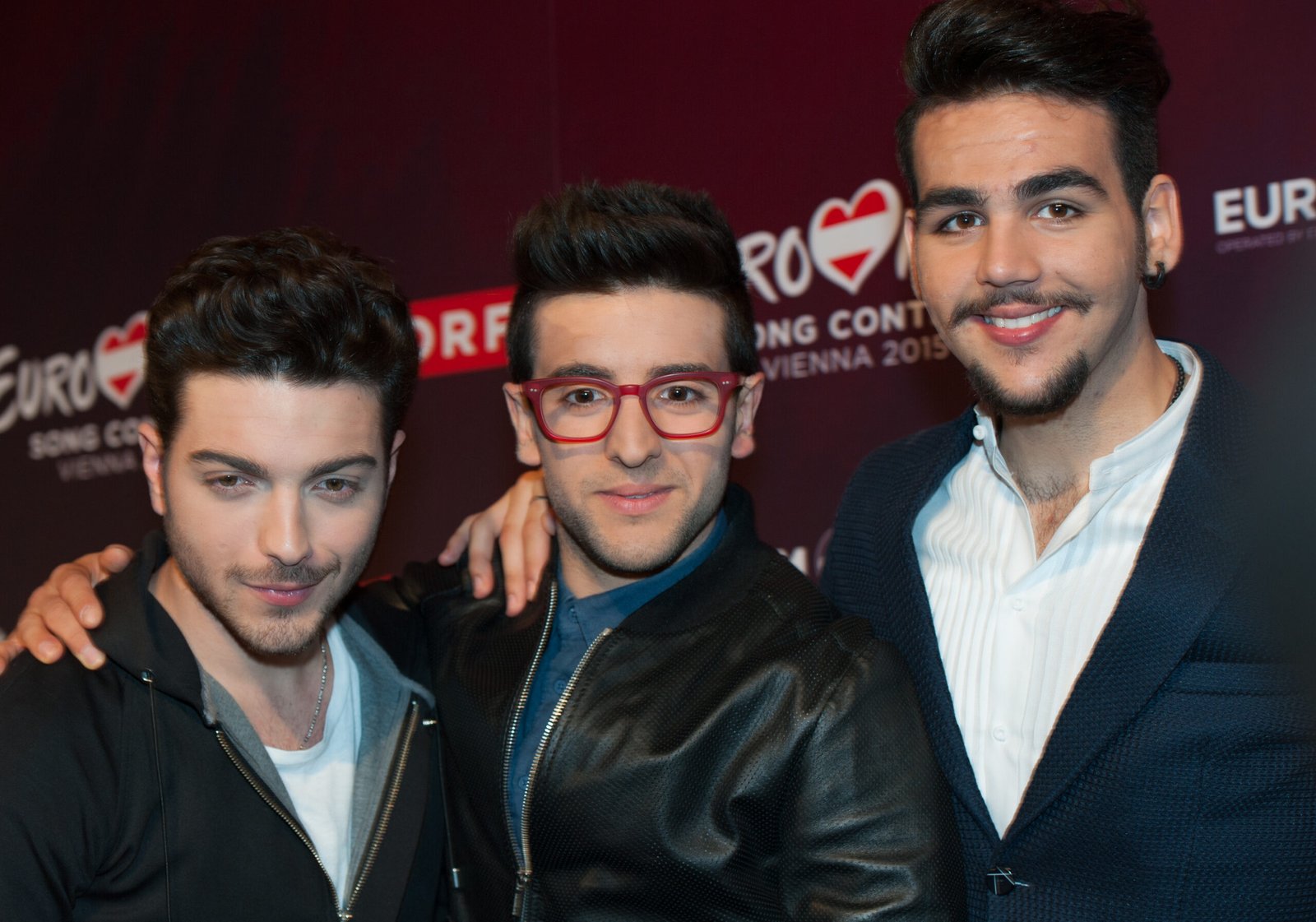
Andrea Bocelli Stood in Silence as Il Volo Delivered an Emotional Tribute at Verona Arena

Il Volo

Some concert moments are remembered because of spectacle. Others stay alive because of emotion so genuine that the audience forgets they are watching a performance at all.

That is how many fans are describing a powerful moment shared between Il Volo and Andrea Bocelli during a concert at the legendary Arena di Verona.

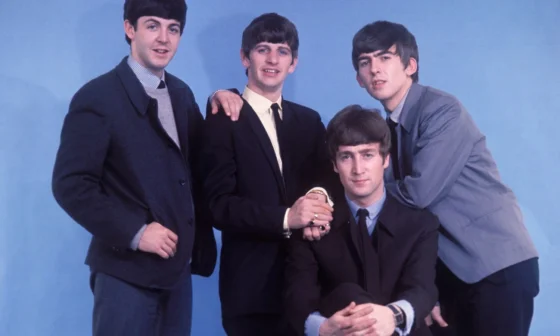
The evening had already carried the atmosphere fans expected from Il Volo — dramatic orchestration, flawless harmonies, and the kind of emotional intensity that has made the trio internationally beloved. Thousands filled the ancient Roman amphitheater as Piero Barone, Ignazio Boschetto, and Gianluca Ginoble moved through the set with confidence and precision.
Then, without warning, everything changed.

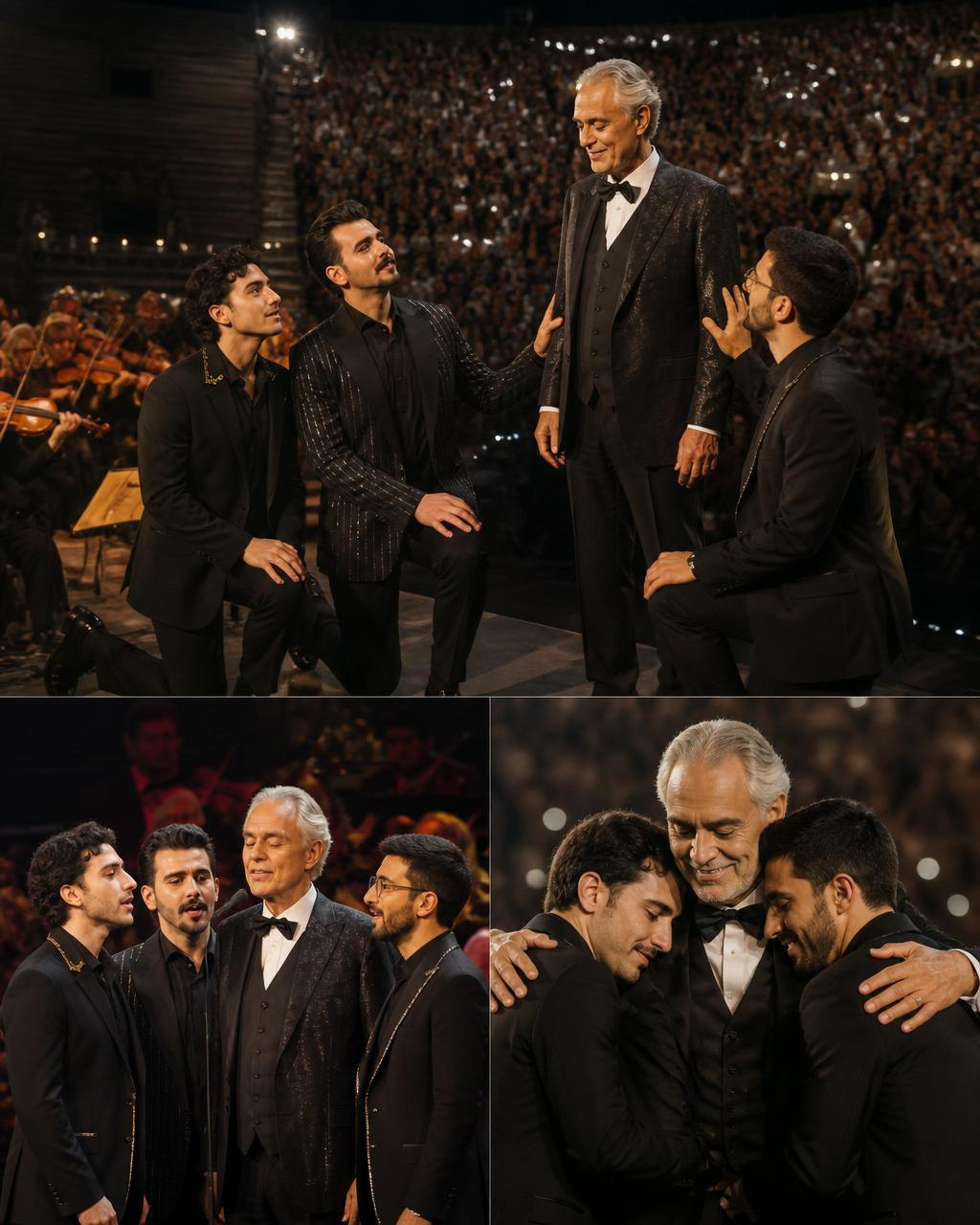
Midway through one performance, the orchestra suddenly stopped. The instruments fell silent. No technical issue appeared visible, yet the atmosphere inside the arena shifted instantly. Fans later said they could feel that something deeply personal was about to happen.

Instead of continuing the performance normally, the three singers slowly approached Bocelli at center stage.

One by one, they knelt beside him and rested a hand gently on his shoulder — a quiet gesture that carried enormous emotional weight for longtime followers of the group. For many fans, the image symbolized the deep connection between the legendary tenor and the trio he helped inspire over the years.

The relationship stretches back to the group’s earliest beginnings. In 2009, a teenage Gianluca Ginoble famously performed one of Bocelli’s songs on Italian television, helping launch the path that eventually united the three singers. Under the guidance of manager Michele Torpedine, Il Volo would grow into an international sensation, performing around the world and introducing a younger generation to operatic pop.

But on this night in Verona, none of that history needed explanation.

Without orchestral accompaniment, the trio began singing a cappella. The absence of instruments made every note feel exposed and intensely human. Fans described the performance as raw, intimate, and almost spiritual within the ancient stone walls of the arena.

What moved audiences most, however, was Bocelli’s reaction.

He did not sing. He simply stood there listening quietly, wearing a small, peaceful smile that many viewers described as deeply personal rather than performative. In a career defined by commanding stages around the world, Bocelli chose in that moment not to lead the music but to receive it.

Inside the arena, applause disappeared entirely during the song. Audience members reportedly wiped away tears, leaned against loved ones, and remained completely silent as the harmonies echoed through the night air.

By the final note, the emotional center of the performance had already passed beyond ordinary applause.

For many fans, the true memory was not the singing itself but the image of three artists honoring the man who helped shape their journey — and a legend quietly listening while the next generation sang back to him with gratitude.

0 Shares:
Leave a Reply

Your email address will not be published. Required fields are marked *

You May Also Like
Loretta Lynn’s Granddaughter & Willie Nelson’s Son
Read More

THE NIGHT THE DUET DIED: Loretta Lynn’s Final Song Beside Conway Twitty Still Haunts Country Music — A Goodbye the World Never Saw Coming.Saw Coming. It happened quietly, without fanfare — a night that began like so many others for two of country music’s greatest voices, and ended as the closing chapter of one of its most beloved partnerships. When Loretta Lynn and Conway Twitty walked onstage together for the final time, no one in the crowd realized they were witnessing the end of an era — the night the duet, as the world knew it, died. The year was 1988. The place: Nashville, under the soft golden lights of a charity concert meant to celebrate country’s classic voices. Loretta and Conway had performed together hundreds of times, their chemistry effortless, their harmonies as natural as breathing. But that night, something felt different. Loretta was quiet backstage — not nervous, but reflective. Conway, too, seemed distant, pacing the hallway with a look that friends later described as “heavy, like he knew something the rest of us didn’t.” When they took the stage and the opening chords of “Louisiana Woman, Mississippi Man” filled the room, the audience erupted. For a moment, time folded back — the magic, the laughter, the playful glances that defined their duets returned as if nothing had changed. But then came their final song: a tender, stripped-down version of “Feelins’.” The crowd fell silent as they began. Loretta’s voice quivered just slightly; Conway’s baritone softened, trembling with something unsaid. Their eyes met for a moment longer than the lyrics required — two souls bound by music, by friendship, and by years of shared triumph and heartache. When the last note faded, they didn’t bow. They simply stood there — looking at each other, smiling through tears — before walking offstage hand in hand. “That was the last time,” Loretta later told a friend. “We didn’t know it, but maybe we did. It felt like goodbye.” Just months later, Conway Twitty would fall ill and pass away unexpectedly in 1993, leaving Loretta shattered and the country music world in mourning. She would go on to perform again, of course, but she never truly sang those duets again — not the way she did when Conway was beside her. In the years that followed, that final performance became legend. Fans still trade bootleg tapes and faded photographs, calling it “the night the duet died” — not because the music ended, but because something sacred was lost with it. “There’ll never be another Conway,” Loretta once said softly in an interview. “And there’ll never be another us.” Their voices — hers like sunlight through lace, his like a river’s low hum — blended in a way that no producer could recreate and no era could replace. Together, they gave the world songs of love, laughter, and longing that felt achingly real because they were real. Now, decades later, when “After the Fire Is Gone” or “Feelins’” plays on the radio, there’s a pause — a quiet ache that sweeps over anyone who remembers. Because deep down, everyone who loved them knows: that night in Nashville wasn’t just a concert. It was a farewell whispered in harmony — the sound of two legends singing their last truth. And when they walked off that stage, country music was never the same again. Video

It happened quietly, without fanfare — a night that began like so many others for two of country…