When Paul McCartney walked onto the stage at Saturday Night Live, the atmosphere inside the studio changed immediately. Before a single note was played, the audience already understood they were witnessing something special. Fourteen years had passed since McCartney last appeared as a musical guest on the iconic late-night show, and the excitement surrounding his return felt impossible to ignore.
For longtime fans, it was more than another television performance. It was the return of one of the most influential musicians in modern history to a stage deeply connected to generations of music and pop culture memories.
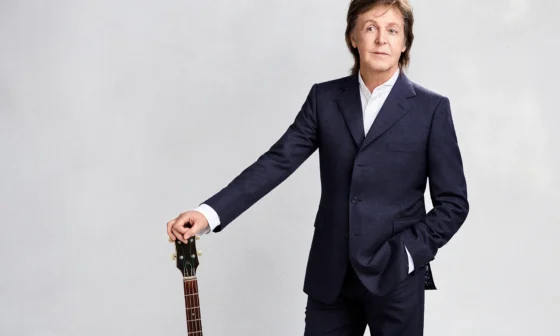
As the lights dimmed and the opening chords rang through the studio, the crowd erupted into cheers. McCartney, now decades into a career that transformed popular music forever, looked completely at ease. With his familiar bass guitar in hand and unmistakable voice filling the room, he reminded audiences why his music continues to resonate across generations.

Throughout the night, McCartney performed three songs that blended emotion, energy, and nostalgia into one unforgettable appearance. Each performance carried the warmth of a veteran artist who understands exactly how to connect with an audience. Fans in the studio sang along, swayed to the music, and watched with admiration as the former Beatle delivered the kind of effortless stage presence younger artists still aspire to achieve.
Social media reacted almost instantly. Clips from the performances spread rapidly online as viewers praised not only the music itself, but also McCartney’s enduring passion and charisma. Many fans called it one of the standout television moments of the year, while others reflected on the emotional impact of seeing a living music legend still performing at such a high level.
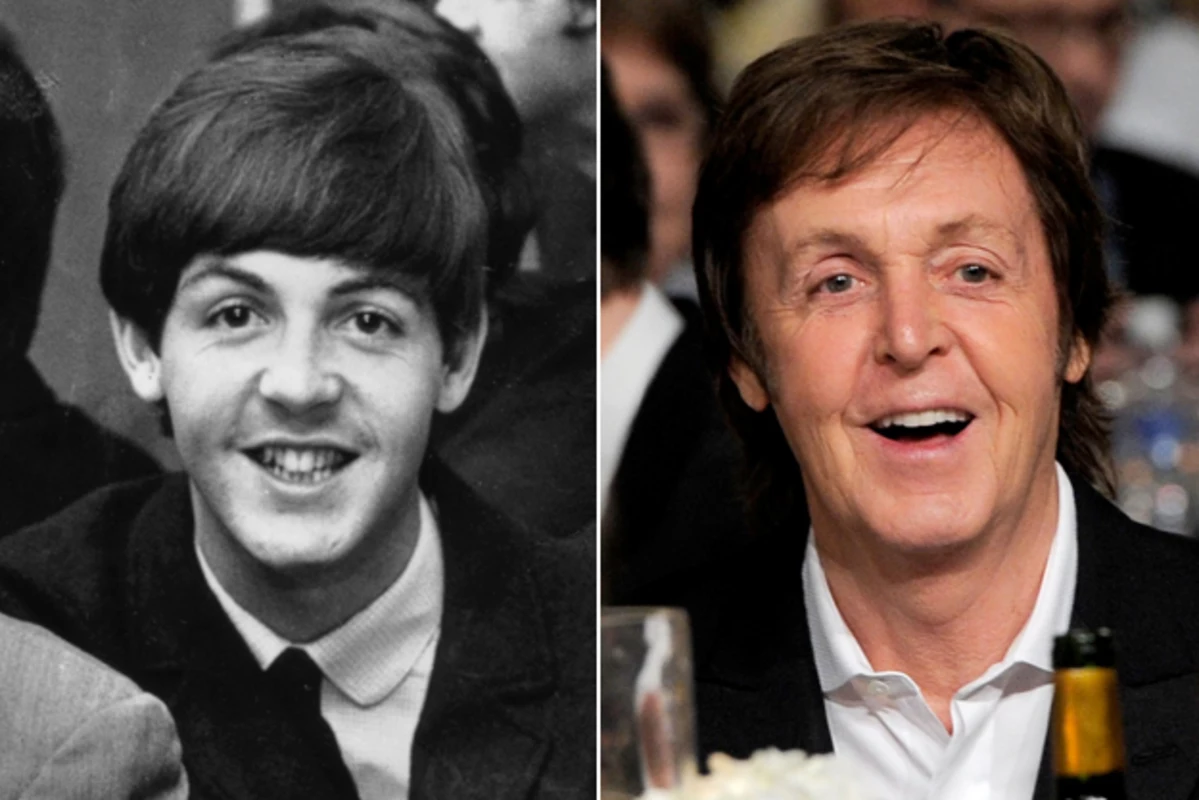
Part of what made the appearance so meaningful was the sense of history surrounding it. McCartney is not simply another famous musician appearing on a late-night show — he represents an era of music that changed culture forever. As a member of The Beatles, he helped shape modern songwriting, recording, and live performance in ways that still influence artists today.
Yet despite the legendary reputation, his SNL return did not feel distant or overly ceremonial. Instead, the performance felt alive, energetic, and surprisingly intimate. McCartney smiled between lyrics, interacted naturally with the crowd, and performed with the same joy that first made audiences fall in love with his music decades ago.

For younger viewers, the performance served as a reminder of why his influence remains so important. For older fans, it became a moment of reflection — a chance to reconnect with songs and memories tied to different chapters of their lives.
In an entertainment landscape constantly focused on what is new, McCartney’s return offered something rare: proof that timeless music never loses its power. The standing ovation at the end of the show said everything words could not. After 14 years away from the SNL stage, Paul McCartney didn’t just return — he reminded the world why legends never truly leave the spotlight.