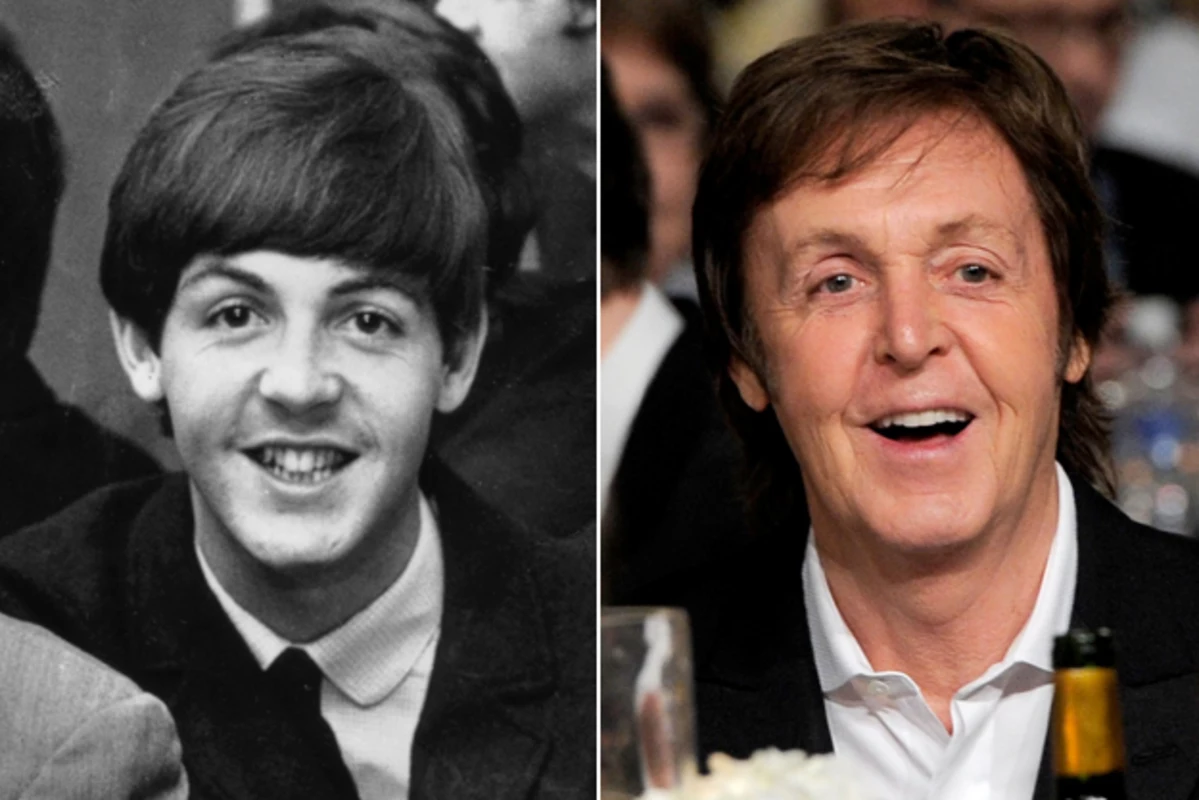
For much of the world, Paul McCartney represents music history itself. As a songwriter, performer, and member of The Beatles, his name became one of the most recognizable in modern culture. Stadiums filled, records shattered sales charts, and Beatlemania transformed him into a global icon before he was even in his mid-twenties.
But while millions followed Paul’s rise to fame, another McCartney was quietly building a life of his own.
His younger brother Mike McGear — born Peter Michael McCartney — grew up in the same Liverpool household, shared many of the same early experiences, and watched firsthand as his brother became one of the most famous people on Earth. Yet unlike many relatives of celebrities who are pulled into the orbit of fame, Mike chose a very different route.
Even his stage name reflected that decision.
Rather than perform under “McCartney,” he adopted the surname “McGear,” inspired by Liverpool slang for “fashionable” or “cool.” It was a subtle but meaningful statement. Mike wanted audiences to judge him for his own work, not simply because of his family connection.
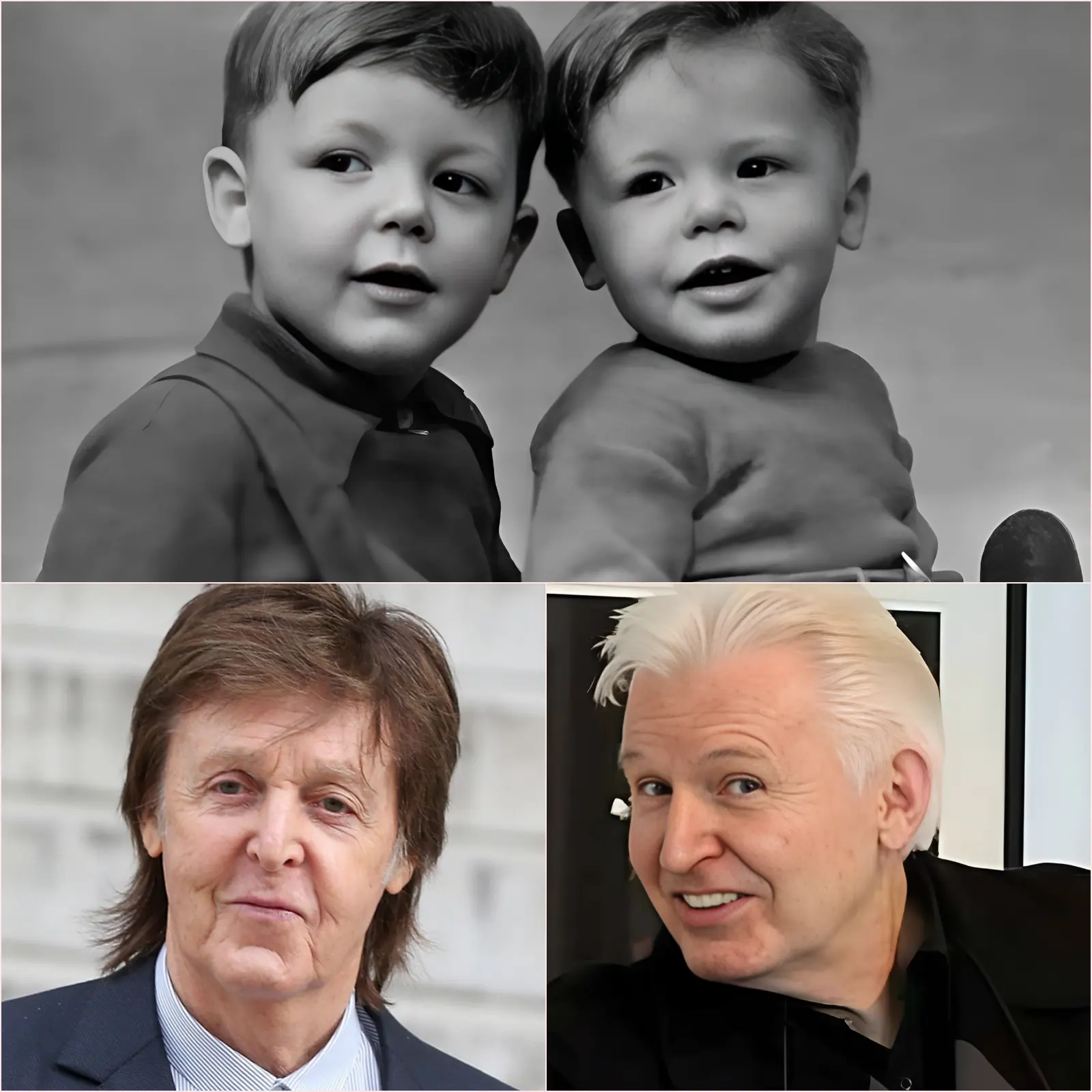
Still, separating yourself from Beatle history was never easy.
During the 1960s and 1970s, Mike became involved in music, comedy, and photography. He was a member of the comedy-pop group The Scaffold, which found success in Britain with songs that blended humor and performance art. While the group earned a loyal following, comparisons to his brother were almost unavoidable.
Yet those who knew the brothers often described their relationship as deeply supportive rather than competitive.
Behind the scenes, Paul occasionally contributed to Mike’s projects. In fact, one of the lesser-known chapters of their relationship came when Paul helped produce Mike’s 1974 solo album, McGear. Members of Paul’s post-Beatles band Wings even performed on the record. To outside observers, it might have looked like Paul was giving his younger brother a boost into the spotlight.
But the story was more complicated than that.

Mike never appeared interested in becoming “the next Beatle” or using Paul’s fame as a shortcut to stardom. Friends and fans often noted that he seemed far more comfortable pursuing creative freedom than chasing massive celebrity status. Photography, poetry, comedy, and experimental projects interested him just as much as commercial success.
One quiet moment between the brothers has stayed with fans who know their story well. During interviews over the years, Mike often spoke less about fame and more about family — particularly how proud he was of Paul not simply as a superstar, but as his older brother. That perspective revealed a relationship grounded less in music industry ambition and more in genuine affection and loyalty.
For Paul, family remained equally important despite the pressures of worldwide fame. While Beatlemania consumed much of his public life, those closest to him often described him as someone who stayed deeply connected to his roots and the people who knew him before the world did.

Today, the story of Paul and Mike McCartney offers something refreshing in celebrity culture. It is not a tale of rivalry, jealousy, or living through someone else’s fame. Instead, it is the story of two brothers who followed different paths while maintaining mutual respect for each other’s choices.
One became one of the greatest musicians in history. The other quietly built a creative life on his own terms — and perhaps that independence is exactly what makes Mike McGear’s story so fascinating.