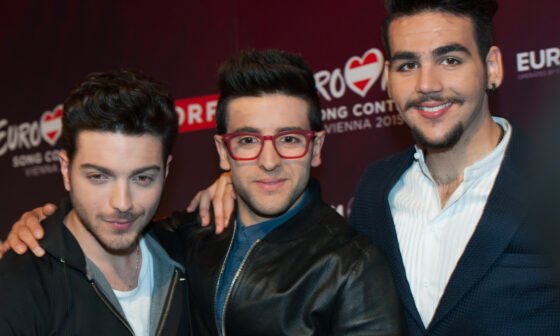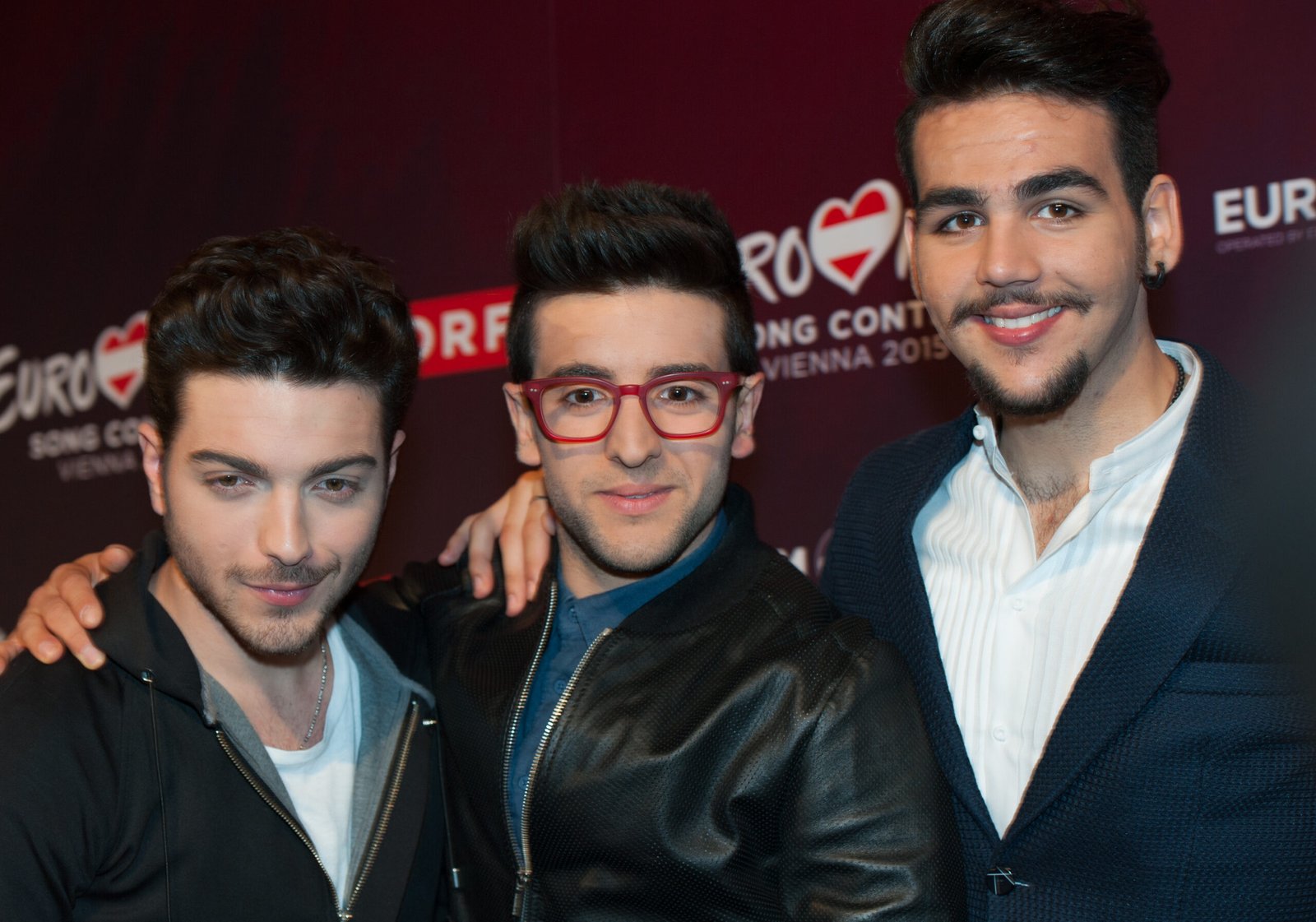
Years before they became internationally recognized stars filling theaters and arenas around the world, Il Volo stood under the bright lights of the Eurovision Song Contest stage with a performance that would leave a lasting mark on millions of viewers across Europe.
At the time, the trio — Piero Barone, Ignazio Boschetto, and Gianluca Ginoble — were already gaining attention for their blend of classical influences and contemporary style. But few could have predicted just how emotional the reaction to their Eurovision appearance would become.
Performing the dramatic and powerful song “Grande Amore,” the three singers brought something noticeably different to a competition often dominated by flashy staging, dance-heavy performances, and modern pop production. Their approach relied almost entirely on vocal strength, emotional delivery, and the timeless atmosphere created by orchestral music and Italian romantic tradition.

From the moment the performance began, viewers across Europe appeared captivated. The soaring harmonies, dramatic staging, and passionate intensity quickly turned the performance into one of the most talked-about moments of the competition. Social media exploded with praise, while audiences inside the arena reportedly responded with overwhelming enthusiasm.
But what happened after the voting ended became just as memorable as the performance itself.
Although Il Volo finished near the top of the competition, many fans were left shocked that they did not ultimately take first place. Almost immediately, debates began spreading across Eurovision communities, fan forums, and television discussions. Some viewers argued that the trio had delivered the strongest vocal performance of the entire contest, while others believed the results reflected changing musical tastes across Europe.
Over time, the controversy surrounding the outcome only grew stronger. Even today, Eurovision fans continue revisiting clips of the performance and debating whether the competition crowned the “official” winner while the Italian trio became the emotional winners in the eyes of the public.
Part of what keeps the conversation alive is the lasting impact that performance had on the group’s career. For many viewers, that night marked the exact moment Il Volo transformed from talented young singers into global ambassadors of a musical style many feared was disappearing from mainstream entertainment. In an era increasingly shaped by fast trends and viral moments, the trio represented something more timeless — music built on technique, emotion, and tradition.
Fans often describe the performance as a reminder that powerful vocals and genuine emotion can still command attention without relying on elaborate spectacle. Years later, “Grande Amore” continues attracting millions of views online, with new audiences regularly discovering the performance for the first time.

What makes the story especially remarkable is that the debate never truly faded away. Instead, it became part of Eurovision history itself. Every year, when discussions about unforgettable performances resurface, many fans inevitably return to that stage, those voices, and the same lingering question that still divides viewers today.
Did the competition choose the rightful winner that night — or did history quietly crown Il Volo in the years that followed?