On June 5, 2021, the Arena di Verona came alive once again.
After months of uncertainty and silence caused by the global pandemic, one of Italy’s most iconic venues reopened its doors for a new season. The nearly 2,000-year-old Roman amphitheater has witnessed centuries of history, but on that evening, it became the setting for something deeply personal—a tribute to the legendary film composer Ennio Morricone.
Morricone’s influence on cinema is difficult to overstate. Over the course of his extraordinary career, he created music for more than 500 films and television productions, crafting melodies that became inseparable from the stories they accompanied. His scores helped define entire generations of filmmaking, leaving an artistic legacy that continues to inspire audiences around the world.
To honor that legacy, Il Volo took the stage.
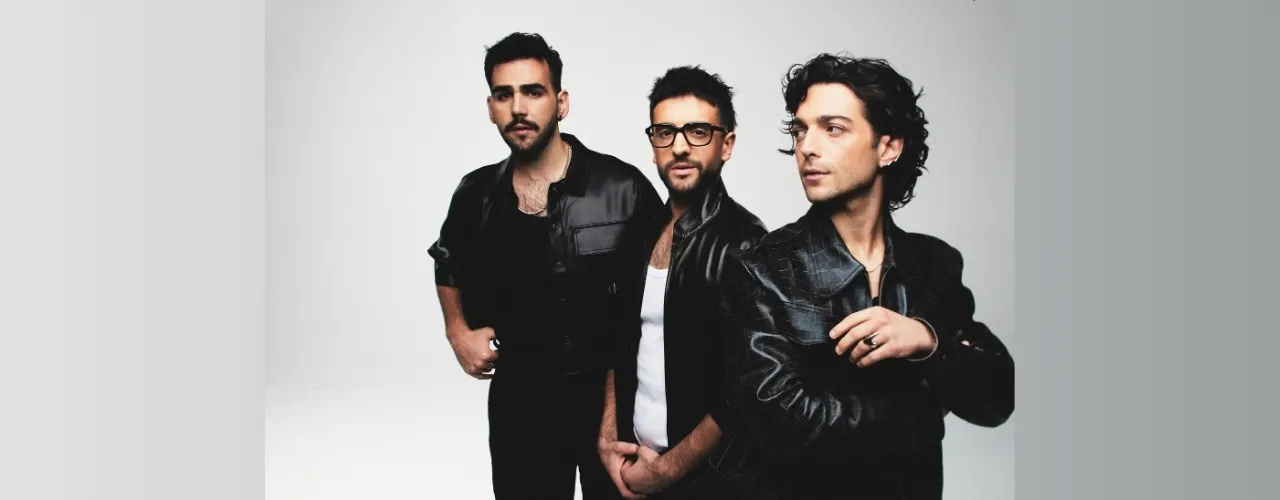
Piero Barone, Ignazio Boschetto, and Gianluca Ginoble have built their careers by blending classical tradition with contemporary appeal. Their powerful voices and emotional performances have introduced many younger listeners to music rooted in Italy’s rich vocal heritage. Yet even for a trio accustomed to performing on major stages, this evening carried a special significance.
The song they chose was “Your Love,” one of Morricone’s most cherished compositions, originally associated with Once Upon a Time in the West. From the first notes, it was clear that this was more than a routine concert performance. The music seemed perfectly suited to the atmosphere of the arena—grand, reflective, and filled with emotion.

Adding to the significance of the occasion was the presence of Andrea Morricone, Ennio Morricone’s son, who conducted the orchestra that evening. As he stood before the musicians, guiding the performance of his father’s work, the tribute gained an added layer of meaning. It became not only a celebration of artistic achievement but also a son’s remembrance of a beloved parent.
For Ignazio Boschetto, the evening carried another deeply personal dimension. Having recently experienced the loss of his own father, he brought emotions to the stage that many audience members could sense even without words. The connection between personal grief and musical expression gave the performance a sincerity that resonated throughout the venue.
As the voices of Il Volo rose into the night sky, the ancient stone walls of Verona seemed to amplify every note. Thousands of listeners sat beneath the open air, sharing in a moment that felt both intimate and monumental. The music spoke where words could not, expressing feelings of loss, gratitude, remembrance, and hope.

By the time the final notes faded, the audience knew they had witnessed something special. It was not simply a tribute to a celebrated composer. It was a reminder of music’s unique ability to connect people across generations, experiences, and emotions.
For one evening in Verona, Ennio Morricone’s melodies once again filled the air. Through the voices of Il Volo and the guidance of Andrea Morricone, his legacy lived on—not as a memory of the past, but as a living presence felt by everyone fortunate enough to be there.