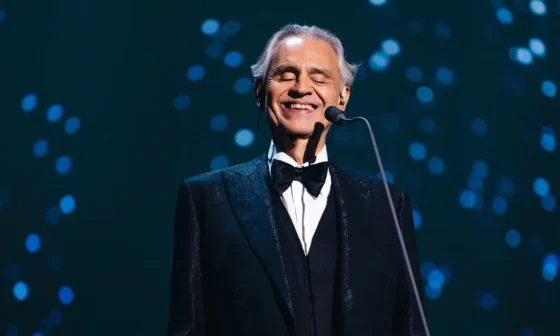
Long before international fame, sold-out arenas, and millions of listeners around the world, Piero Barone’s story began in a quiet home in Sicily. It was a beginning far removed from the grand stages he would later come to know as part of Il Volo. At that time, he was simply a young boy with a voice, singing without any awareness of where life might eventually take him.
Among the first to recognize something special in him was his grandfather, Pietro Ognibene. Though he was blind, he had spent much of his life surrounded by music and developed a deep sensitivity to sound. For him, listening carried more meaning than sight ever could.

One day, as his young grandson began to sing, something stood out immediately. It wasn’t just a child singing—it was the clarity, tone, and emotion that seemed to go beyond his age. Pietro felt it instantly. He believed he was hearing something exceptional, something worth paying attention to.
What makes this moment so powerful is not only the recognition itself, but the way it happened. Pietro Ognibene could not rely on appearance or performance. He experienced the moment purely through sound, making his judgment rooted entirely in what he felt through hearing.\
Moved by what he heard, he made sure the moment would not be lost. A simple recording was created—unpolished and informal, but filled with meaning. That tape became the first step in preserving a voice that would later travel far beyond the small Sicilian household where it began.
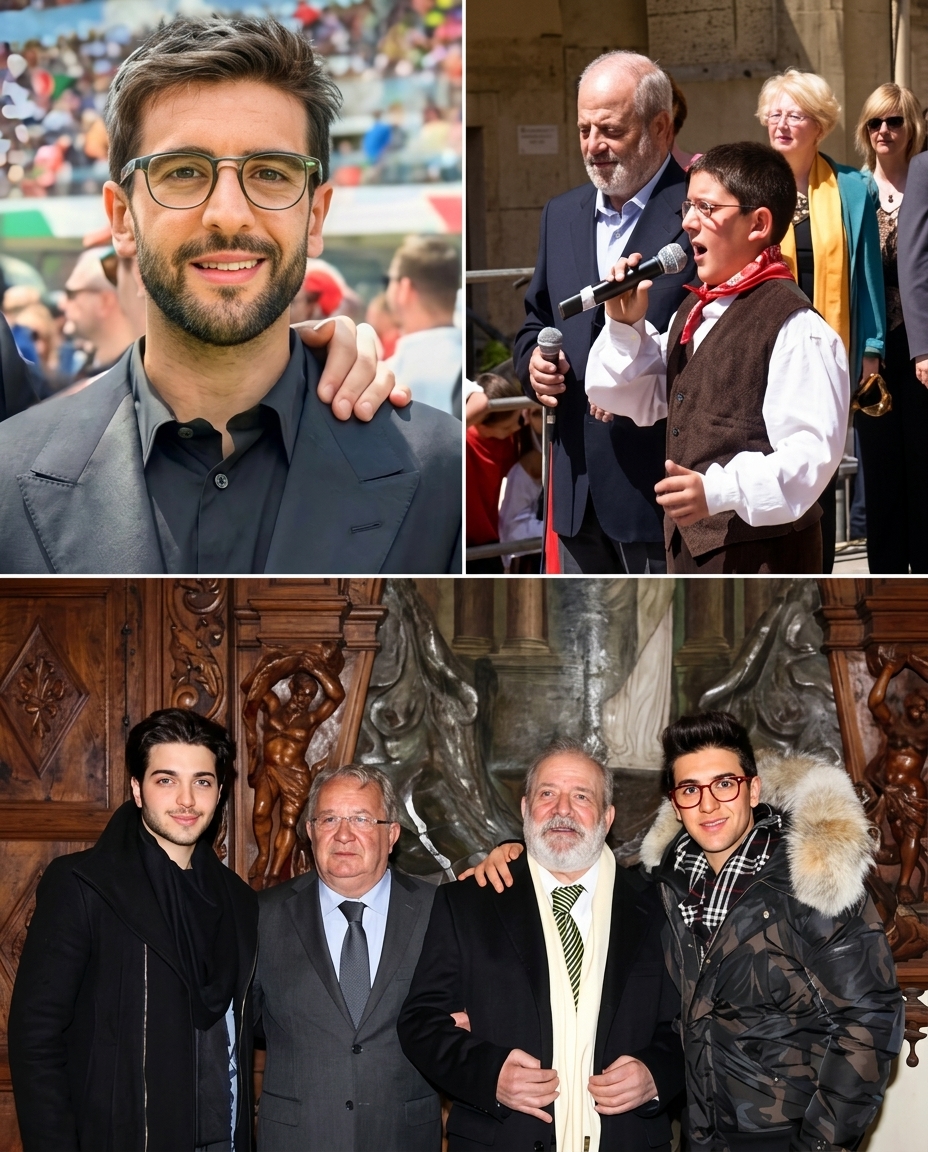
As the recording began to circulate in the town of Naro, it slowly drew attention. People shared it quietly, often without realizing its future significance. At the time, it was simply a local curiosity—a young boy with an unusually expressive voice.
Years passed, and that boy grew into Piero Barone, one of the members of Il Volo, the internationally known trio that brought classical crossover music to global audiences. The same voice that once echoed in a small home would eventually be heard on some of the world’s most prestigious stages.
Yet, despite all the success and recognition that followed, the foundation of his journey remains rooted in that early moment of belief. It was not an industry professional or a public figure who first saw potential in him, but a grandfather who listened without sight, yet with complete conviction.

There is something timeless about that beginning. It reminds us that talent is often recognized in the simplest of settings, and that belief can come from the most unexpected places.
In the end, Piero Barone’s rise is not only a story of fame, but also of early faith—of a blind grandfather who heard a future before the world ever had the chance to see it.