When it comes to Queen’s music, expectations are always high. The band’s legacy, built alongside the unmatched presence of Freddie Mercury, has made their catalog some of the most technically and emotionally demanding in rock history. So when discussions began about P!nk stepping into that world, even temporarily, there was natural hesitation behind the scenes.
Brian May later admitted that he was “nervous as hell” about how any modern artist could approach Queen’s most challenging material. His concern wasn’t about popularity or talent in general, but about whether someone could truly handle the vocal intensity and range required for the band’s most iconic songs—especially those originally shaped by Freddie Mercury’s extraordinary voice.

Freddie’s legacy looms large over any performance of Queen’s music. His voice was not only powerful but uniquely expressive, combining theatrical flair with remarkable technical control. Because of this, any reinterpretation carries an unavoidable weight of expectation.
P!nk’s involvement, however, quickly shifted that expectation in an unexpected direction.
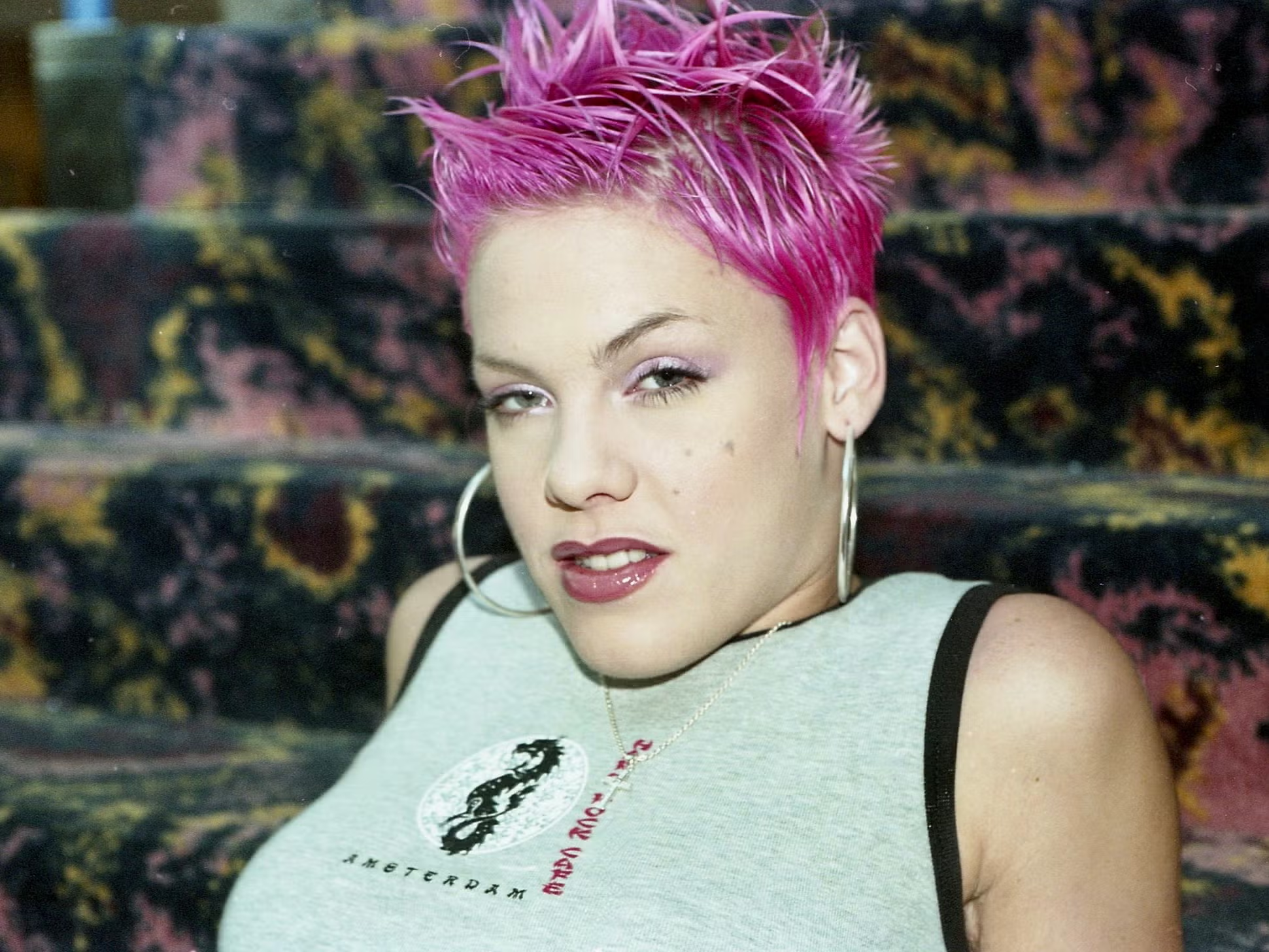
Rather than attempting to replicate Freddie Mercury’s style, she approached the material with her own identity intact. Instead of imitation, she leaned into a raw, rock-driven interpretation that emphasized power, grit, and emotional edge. This creative choice immediately changed the dynamic of the performance.
According to Brian May, what surprised him most was not just her ability to hit the demanding notes, but the energy she brought into them. He described her approach as intense—almost “scary” in its force and conviction. That unexpected energy transformed initial doubt into genuine admiration from the band.

What was expected to be a cautious experiment turned into a moment of musical discovery. The performance did not attempt to replace Freddie Mercury or recreate his exact presence. Instead, it highlighted something different: how Queen’s music can evolve when filtered through a distinct artistic voice.
For Queen, this distinction is important. Their music has always carried theatrical and emotional flexibility, allowing different interpretations across generations. P!nk’s version demonstrated that legacy does not necessarily require replication—it can also survive through reinterpretation.
Fans responded strongly to the performance, noting how P!nk’s vocal strength and emotional delivery gave the songs a new kind of energy. While comparisons to Freddie Mercury are inevitable, many listeners appreciated that she did not attempt to imitate him directly. Instead, she embraced the challenge in her own way.
Brian May’s later reflections highlight a broader truth about legacy acts and collaboration: fear of change often exists at the beginning, but it can evolve into respect when the artist brings something authentic to the table.

In the end, what began as uncertainty became a moment of mutual recognition. Queen’s music was not diminished or replaced—it was reimagined through a different lens, proving that even the most iconic songs can find new life when approached with courage and individuality.