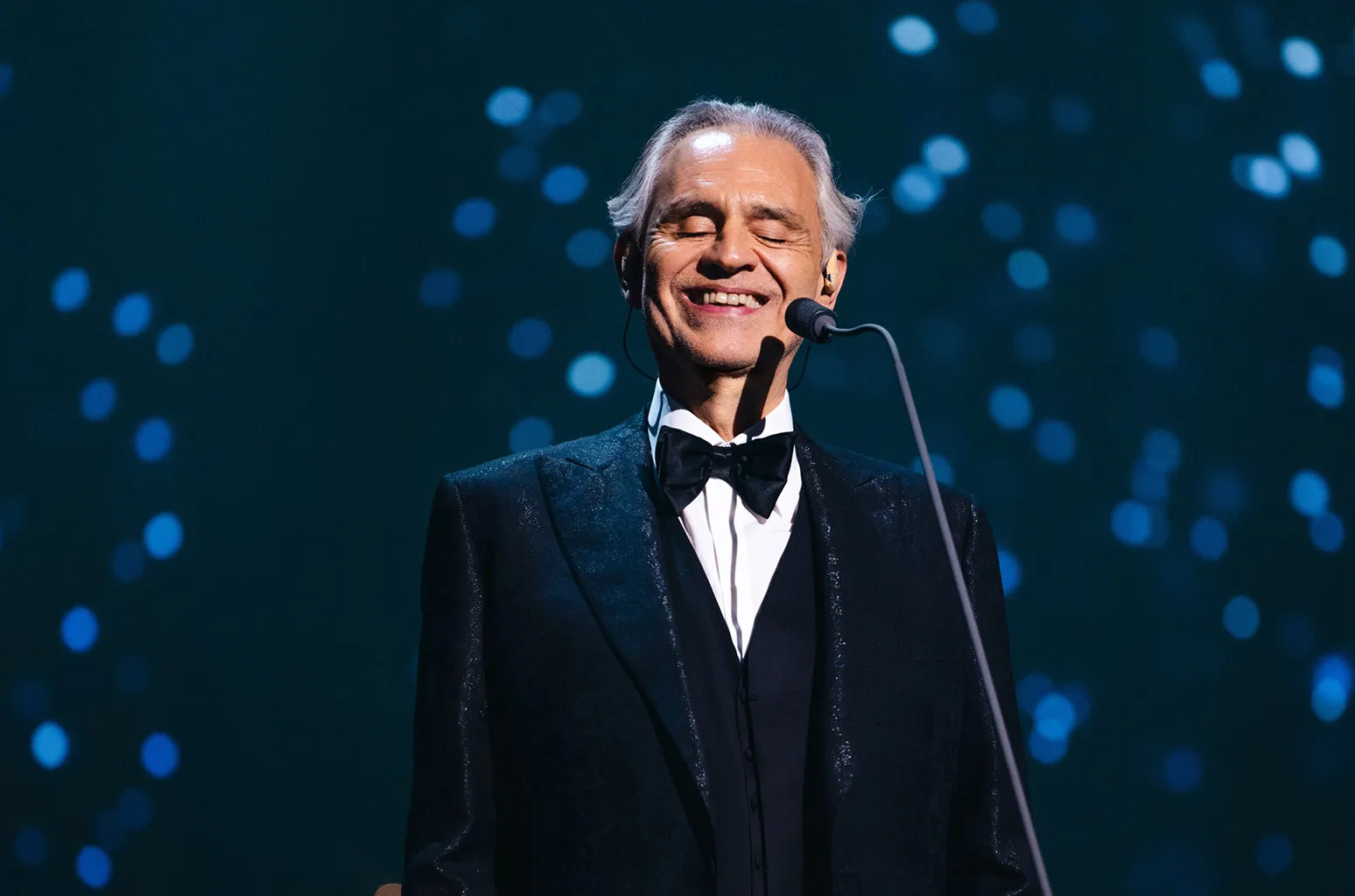
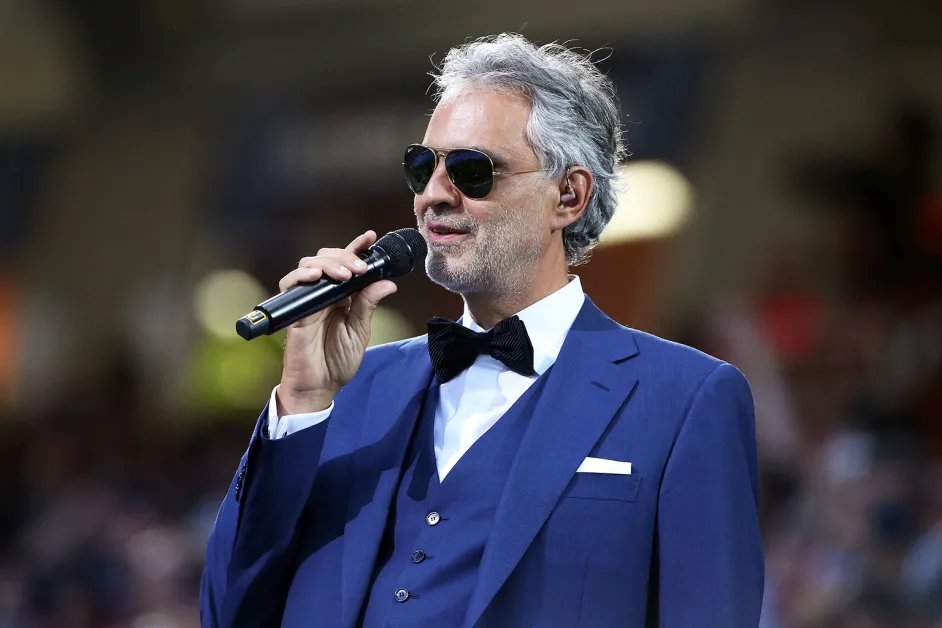
For most of his career, Andrea Bocelli has been celebrated for his music rather than his political views. His voice has filled concert halls around the world, earning him a place among the most recognizable classical crossover artists of his generation. Yet throughout the years, Bocelli has occasionally used his public platform to discuss issues that extend far beyond music.
Recently, the renowned Italian tenor became the subject of renewed public attention after reaffirming his belief that expressing honest opinions is more important than protecting popularity.
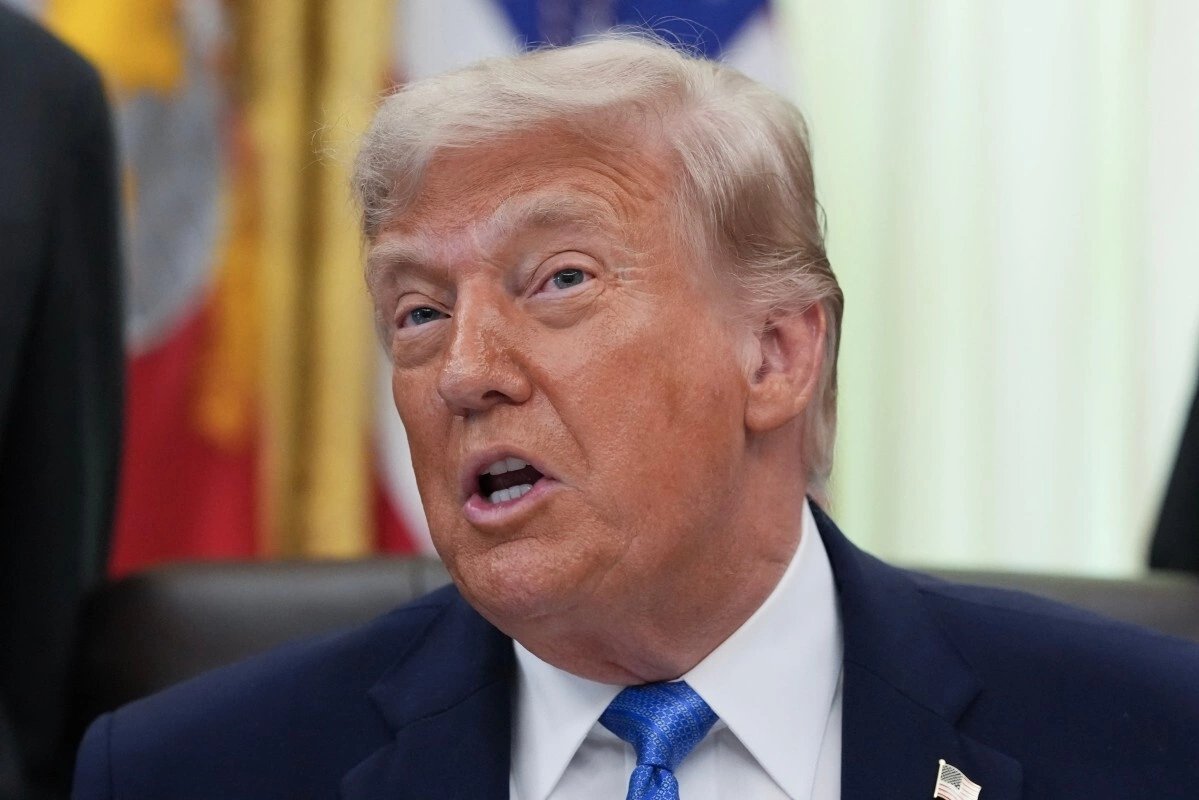
The discussion emerged as Bocelli addressed topics ranging from political leadership to international conflicts and the ongoing pursuit of peace in a world often marked by division. While public reactions have varied, his message remained consistent: he does not believe fear of criticism should prevent people from speaking openly about issues they care about.
For artists and public figures, navigating political and social discussions can be complicated. Every statement has the potential to generate both support and opposition. Many choose to avoid controversial topics altogether, preferring to keep the focus on their professional work.
Bocelli, however, has suggested that remaining silent is not always the right choice.
Throughout his career, he has often spoken about values such as compassion, dialogue, and mutual understanding. In his view, conversations about peace and human dignity are not simply political matters but issues that affect people regardless of nationality, culture, or ideology.
His recent remarks have reignited debate about the role of artists in public discourse. Some believe musicians and entertainers should focus exclusively on their craft, while others argue that individuals with large audiences have every right to contribute to important social and political conversations.
The discussion is hardly new. Throughout history, artists have frequently used their voices to comment on the issues of their time. Musicians, writers, actors, and painters have often reflected public concerns through their work and their personal statements. In many cases, their opinions have sparked passionate reactions, both positive and negative.
For Bocelli, the willingness to speak openly appears to stem from personal conviction rather than a desire for controversy. Those who have followed his career know that he has consistently emphasized themes of hope, unity, and understanding. These values are often present not only in interviews but also in the music he performs.
Supporters praise his willingness to express his perspective even when doing so may invite criticism. They view his comments as an example of staying true to one’s beliefs despite public pressure. Critics, meanwhile, may disagree with some of his positions or question whether entertainers should become involved in political discussions.
Regardless of where people stand, the conversation highlights an ongoing question in modern society: Should public figures remain neutral, or should they use their influence to address important issues?
Bocelli’s answer appears clear. He believes meaningful dialogue is worth having, even when it is uncomfortable or unpopular.
As debates continue around politics, conflict, and global challenges, one thing remains certain: Andrea Bocelli’s voice continues to attract attention—not only when he sings, but also when he chooses to speak from the heart.
Whether people agree with him or not, his comments have encouraged discussion about the responsibilities of public figures, the value of free expression, and the importance of pursuing understanding in a complex world.