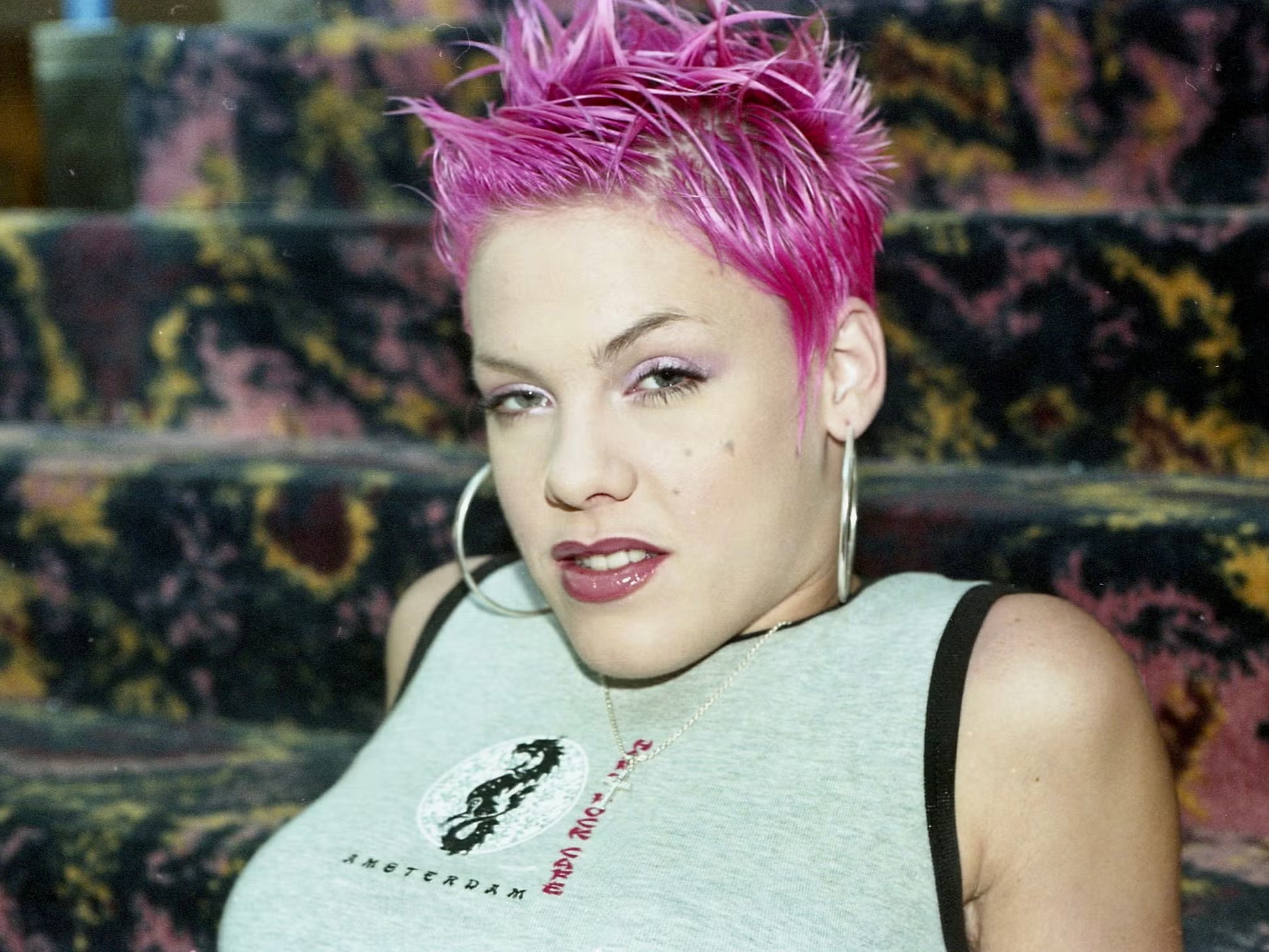
Stories involving celebrities and politics have a way of spreading rapidly online, especially when they combine legal claims, live television, and unexpected public reactions. One such story now making the rounds centers on P!nk and Donald Trump Jr..
According to posts circulating across social media, Donald Trump Jr. reportedly sent the singer a cease-and-desist letter, expecting the issue to be handled privately. The story goes on to claim that, rather than remaining silent, P!nk appeared on stage holding the letter and announced that she intended to read part of it aloud in front of a live audience.
The narrative describes the audience falling completely silent, anticipating a dramatic legal confrontation. It then suggests that the moment took an unexpected turn, becoming one of the most talked-about television clips shared online.
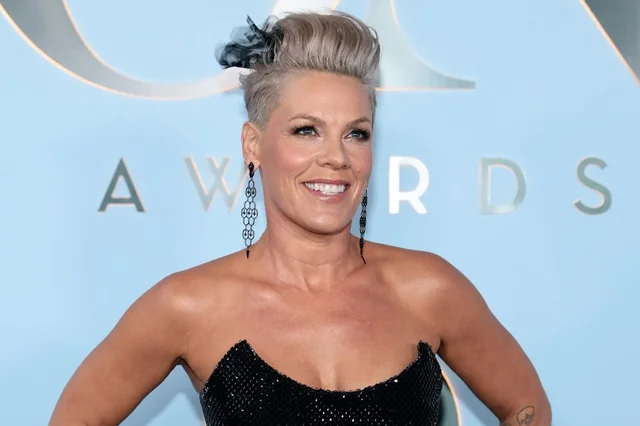
However, despite the widespread attention these claims have received, there is an important distinction between a viral story and a verified event.
As of now, there is no widely established public evidence confirming that Donald Trump Jr. sent such a cease-and-desist letter to P!nk or that the described live television incident occurred as presented. Viral social media posts often blend dramatic storytelling with unverified claims, making it difficult to separate fact from fiction without reliable documentation.
That has not stopped the story from generating discussion. Supporters and critics alike have debated what such a moment would represent if it had occurred, touching on issues such as free expression, public criticism, and the relationship between celebrities and political figures.
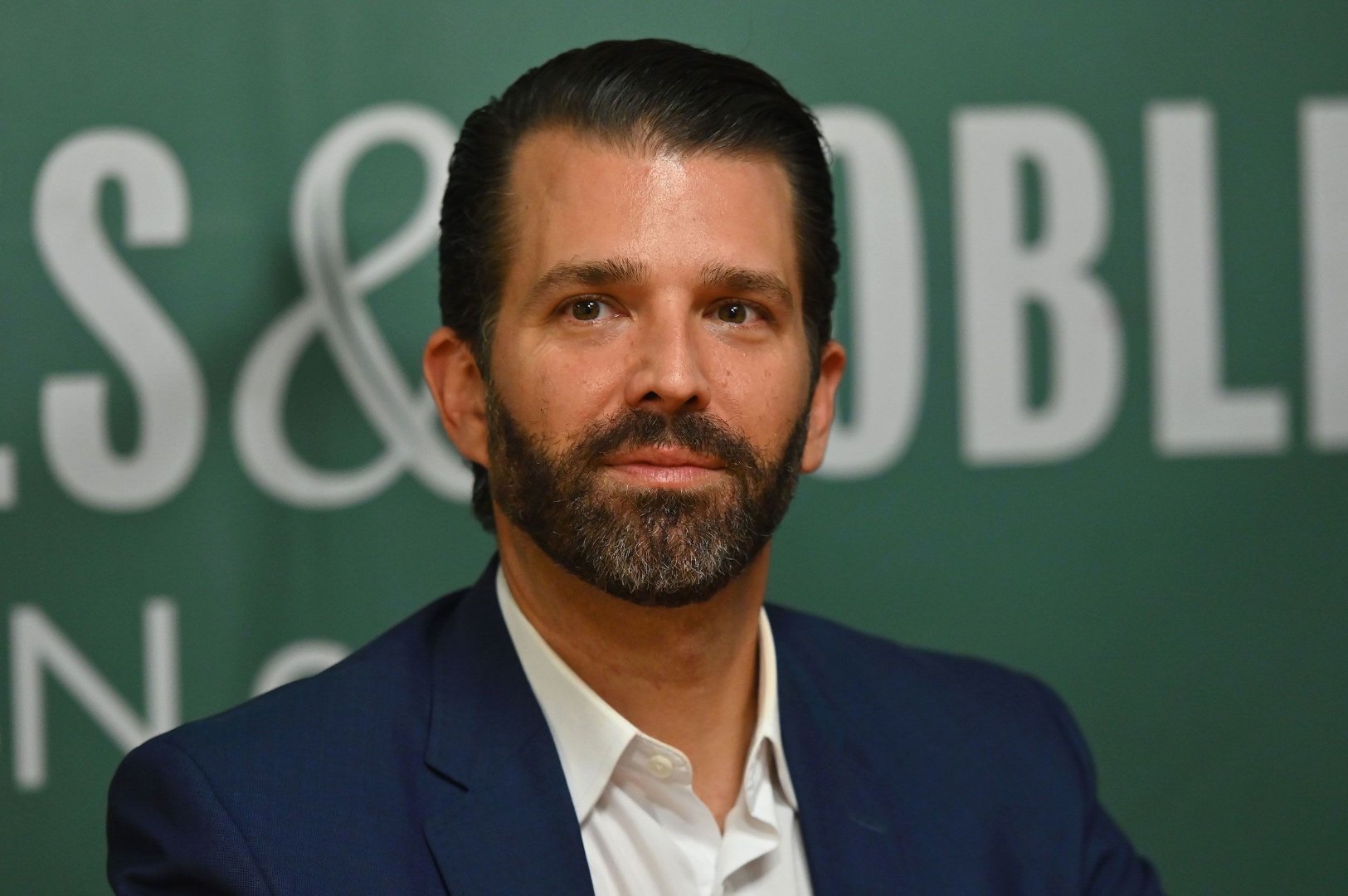
P!nk has built a reputation over the years for speaking candidly about issues she cares about, and her willingness to express personal opinions has often sparked conversation. Likewise, Donald Trump Jr. remains a prominent public figure whose comments and actions frequently become subjects of national debate.
When stories involve two well-known personalities from different spheres of public life, they often gain momentum regardless of whether all of the reported details have been independently verified. Social media algorithms and rapid sharing can amplify compelling narratives long before supporting evidence emerges.
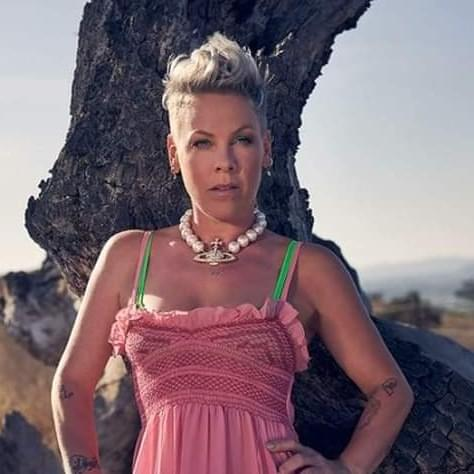
For readers and viewers, moments like these serve as a reminder of the importance of distinguishing between confirmed reporting and claims that are still circulating without verification. Dramatic headlines can attract attention quickly, but establishing what actually happened requires credible sources and documented facts.
Whether this story ultimately proves accurate, inaccurate, or somewhere in between, its rapid spread demonstrates how quickly public curiosity can transform an unverified claim into a widely discussed topic.
In today’s digital landscape, the most viral stories are not always the most thoroughly confirmed—and that makes careful fact-checking more important than ever.