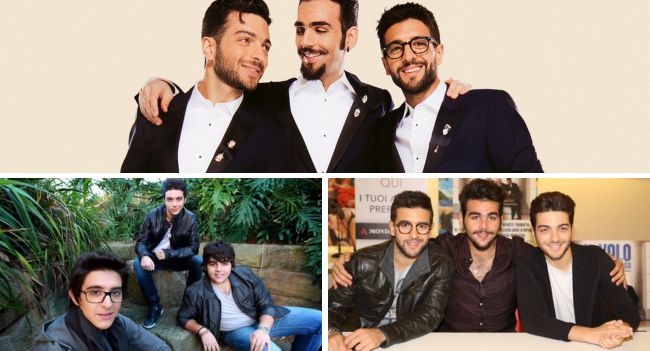
Few artists have sparked as much discussion about the relationship between tradition and modern music as Il Volo. Since emerging on the international stage, the Italian trio has built a devoted fan base by combining operatic technique with contemporary pop arrangements, creating the distinctive style often referred to as “popera.” While millions of listeners have embraced that formula, not everyone sees it as a celebration of timeless music.
A recently resurfaced critique from a prominent music critic has once again placed Il Volo at the center of a broader conversation. Rather than questioning the trio’s vocal talent—which is widely recognized—the critic argued that their artistic approach represents a retreat into the past rather than an effort to engage with the future of music.
According to the criticism, Il Volo’s success reflects a growing appetite for familiarity in an era defined by rapid cultural and technological change. The critic suggested that, instead of pushing musical boundaries, the trio has found remarkable commercial success by reviving styles that already carry a strong emotional connection for many listeners. In this view, nostalgia becomes not simply an artistic choice but a powerful commercial strategy.
Those comments generated strong reactions from both supporters and detractors. Fans pointed out that preserving musical traditions should not automatically be seen as resisting progress. They argued that classical influences have always coexisted with innovation and that music does not need to abandon its roots to remain meaningful.
The discussion became even more interesting after Il Volo addressed the subject themselves. Defending their artistic philosophy, the trio remarked that “evolution is not always the best thing.” Rather than rejecting change altogether, they explained that innovation should enhance music rather than replace qualities that have stood the test of time. For them, emotional storytelling, strong melodies, and disciplined vocal performance remain just as valuable today as they were decades ago.

That perspective highlights an important question facing many performers. Should every artist feel obligated to reinvent their sound simply because musical trends continue to evolve? Or is there equal value in refining a style that already resonates deeply with audiences?
For Il Volo, the answer appears clear. Throughout their career, they have consistently chosen to build upon the musical traditions that inspired them instead of chasing every new trend. Their concerts continue to feature orchestral arrangements, classical influences, and songs that emphasize vocal harmony over production effects. That consistency has helped them cultivate a loyal international audience spanning multiple generations.
Critics, however, remain divided. Some believe the trio’s approach demonstrates that timeless music can continue to thrive regardless of changing fashions. Others argue that relying heavily on established traditions limits opportunities for artistic experimentation and reinforces a preference for the familiar over the unknown.

Ultimately, the debate surrounding Il Volo extends beyond a single group. It reflects a larger conversation about how music evolves and whether progress should always be measured by novelty. In an industry that often rewards constant reinvention, the trio has chosen a different path—one rooted in craftsmanship, heritage, and enduring melodies.
Whether listeners view their “popera” style as a preservation of musical excellence or a deliberate embrace of nostalgia, one fact remains difficult to dispute: Il Volo continues to inspire passionate discussion. Their music has become more than entertainment—it has become part of an ongoing conversation about what audiences value most, and whether lasting artistry depends on following trends or remaining true to a distinctive identity.