Laughter before the gasp
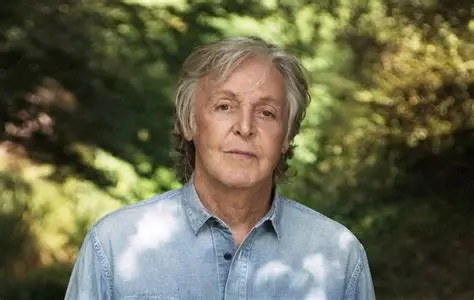
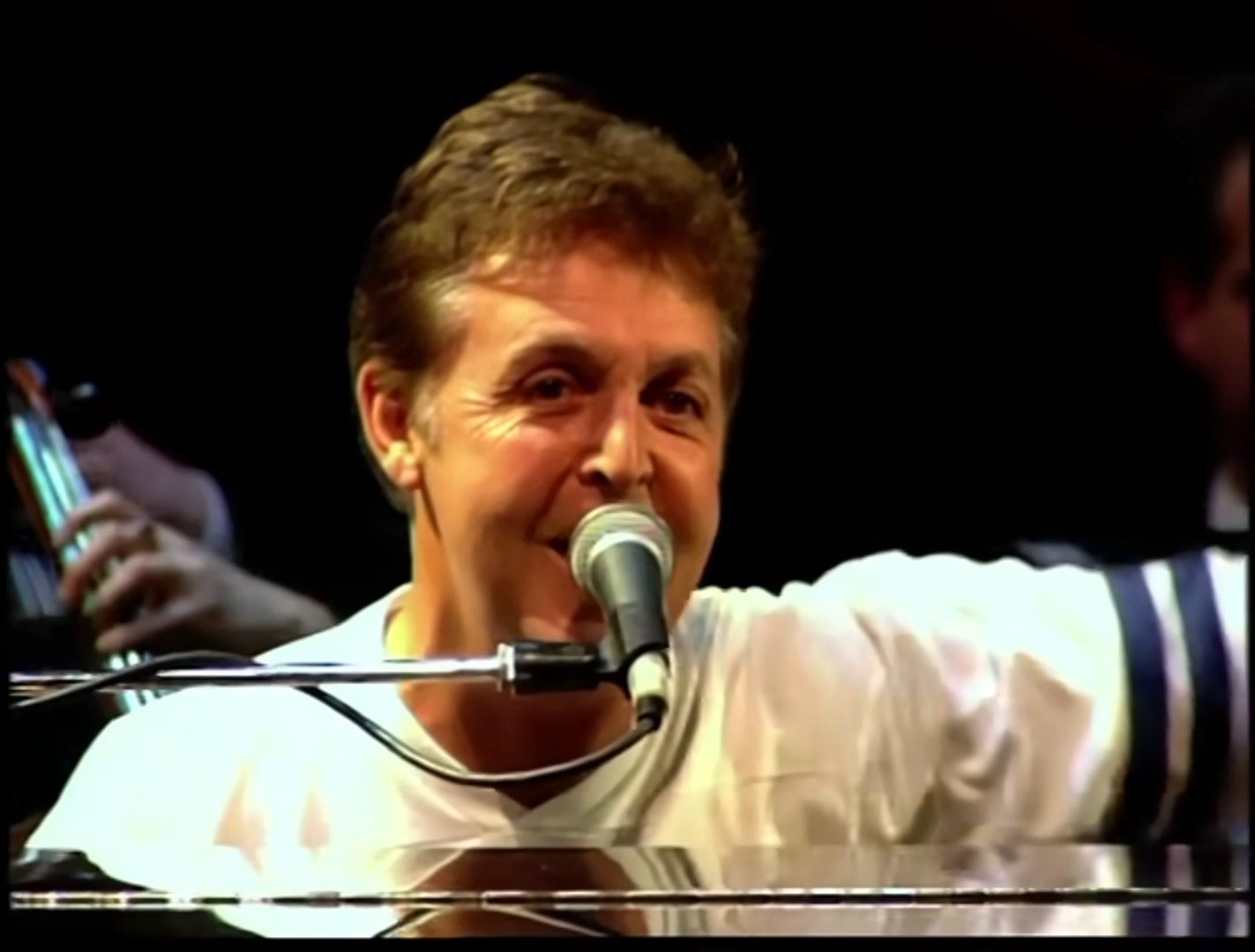
The audience laughed at first, then gasped, when Paul McCartney made a confession that felt both candid and surprising: he won’t be making modern pop albums. The remark, delivered with his trademark humor, instantly shifted the energy in the room. For a man whose songs had once defined youth and rebellion, it was a moment of honesty that might have sounded like surrender in lesser hands. But with McCartney, the admission became something else entirely — a reminder that even legends are allowed to step aside with grace, confident in the legacies they’ve already built.
Naming the new queens
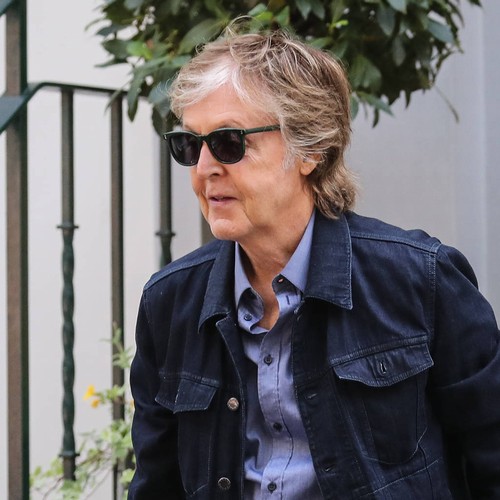
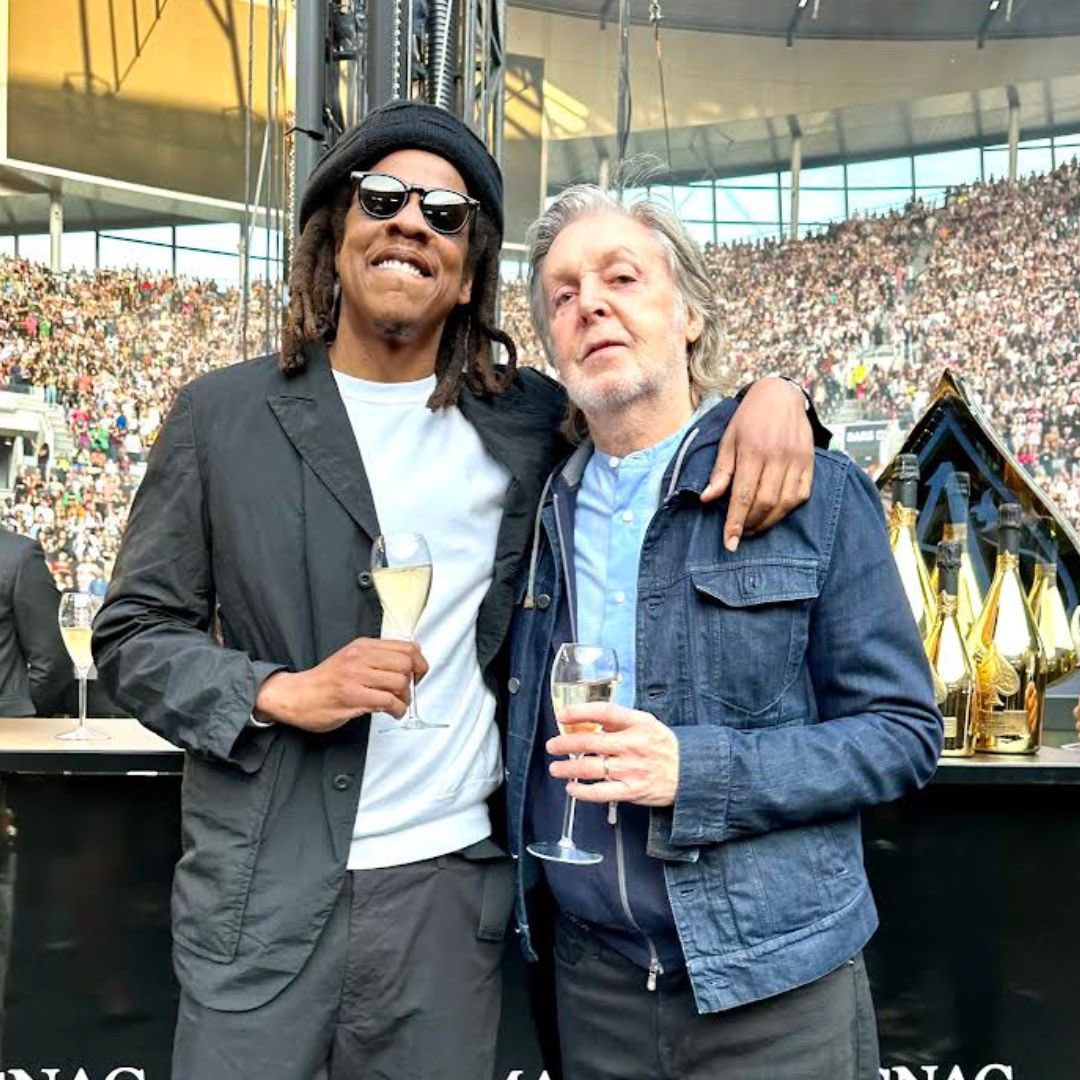
Then, with a twinkle in his eye, McCartney leaned forward and dropped the names Beyoncé and Taylor Swift. Rather than dismissing them, he celebrated them, declaring that the new queens of pop had already conquered that kingdom. His words were not tinged with envy but with admiration, acknowledging that the stage of global dominance now belonged to a new generation. Fans braced for scandal, expecting headlines about rivalry or criticism. Instead, they were treated to humility, wit, and a kind of mentorship disguised as a joke. McCartney showed that legends don’t compete with the future — they make space for it.
A sly nod to the past
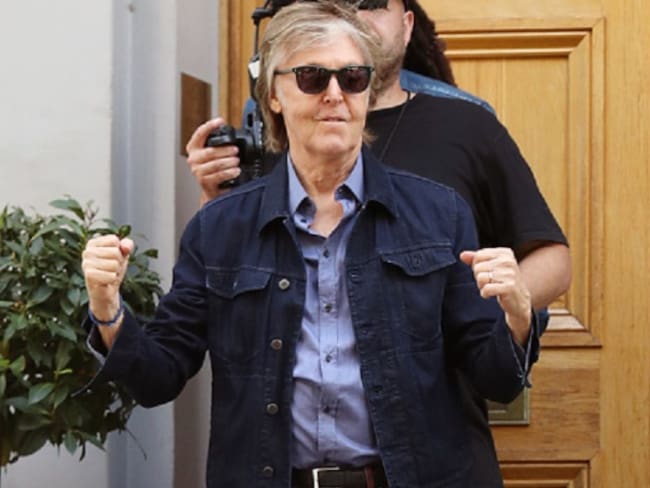
What many missed in the laughter was McCartney’s sly reference to When I’m 64, a self-penned Beatles classic that had once been a whimsical meditation on aging. Now, decades later, his playful wink carried an entirely new weight. The song that once joked about growing old had quietly become his reality, and yet his words radiated the same charm that made him irresistible as a young Beatle. Without grandstanding or self-pity, McCartney transformed a simple comment into a meditation on time, reminding everyone that longevity itself is an art form few can master.
A masterclass in grace
By the end of the exchange, it was clear that this was more than an off-the-cuff remark. Fans whispered that McCartney had delivered a masterclass in grace, showing that the power of a true icon lies not in clinging to relevance, but in knowing when to step back, smile, and let others shine. His acknowledgment of Beyoncé and Swift was not resignation but validation — proof that he remains as in touch with culture as he was in 1964, while never losing sight of his own legacy. For those in the room, it wasn’t just a comment about albums. It was a lesson in how greatness ages: with humility, wit, and a smile that still makes the world feel young.