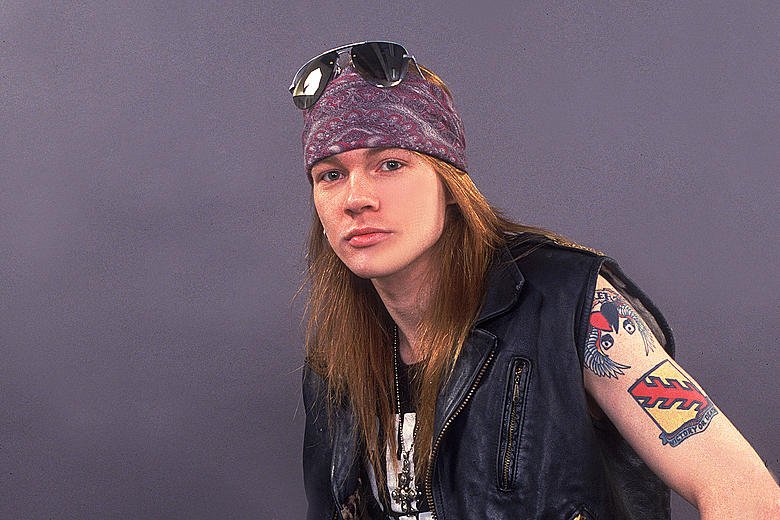
Axl Rose Reveals Surprising U2 Obsession: “I Went to Every One of Their Shows”

AXL ROSE

Being a major league rock star sounds like a dream, but for many of the greats, that dream comes with a complicated reality. Music, the thing that once brought pure joy, can start to feel like a job—a tiresome obligation dictated by schedules, managers, and record labels. Even the biggest names in rock eventually face the tension between passion and pressure.

Guns N’ Roses provide a striking example. In the mid-1980s, a group of ambitious, talented musicians converged on the Sunset Strip, playing music that would soon dominate the pop charts. Within just a couple of years, they went from small clubs to massive arenas almost overnight, propelled largely by the music video for “Welcome to the Jungle.” Success arrived faster than anyone could imagine, but along with it came the weight of expectation. Music was no longer just for themselves—it was a responsibility to a vast, paying audience and an industry watching their every move.

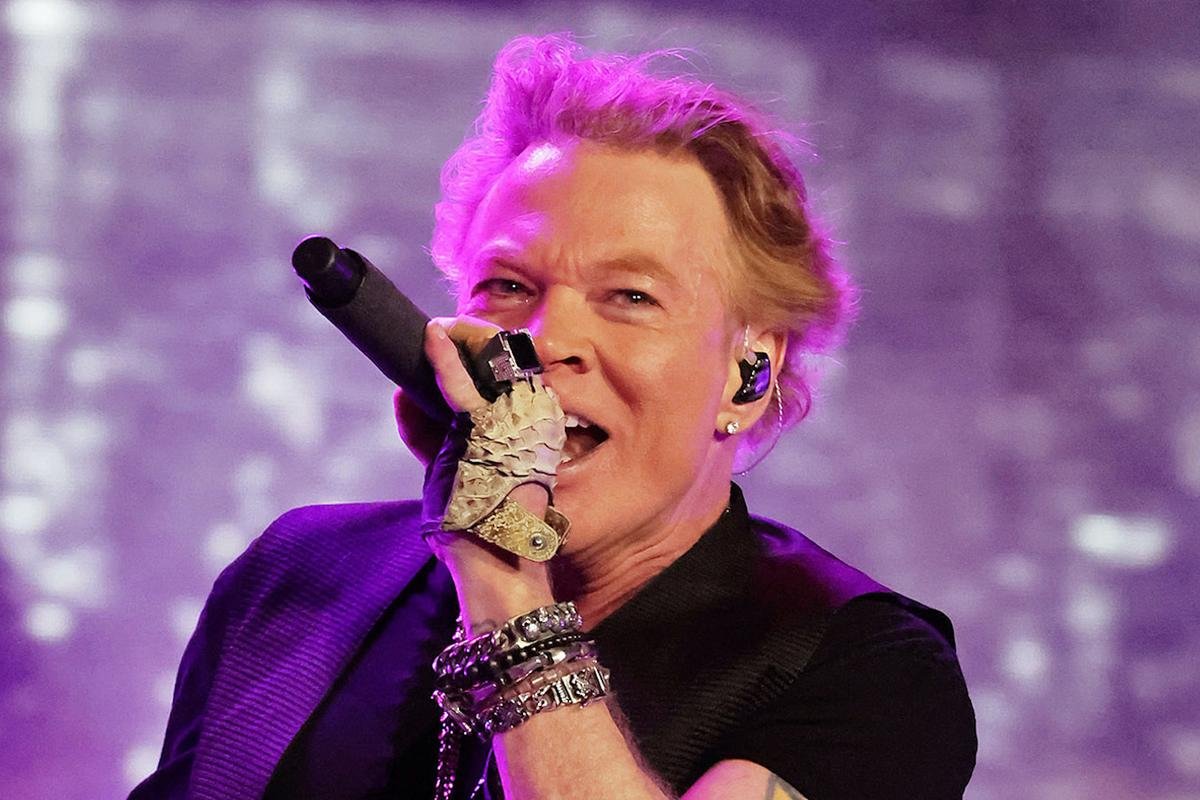
Even in that intense environment, Axl Rose found ways to stay connected to music as a fan. In 1992, at the height of Guns N’ Roses’ fame, he admitted to journalist Andy Secher that he still tried to catch as many live shows as possible, even from bands he might not have followed before. “Well, Jane’s Addiction was my band, and they broke up,” he said. “I really don’t get the chance to see that many bands live because it’s just too hectic. But I’m really into U2, and I was really into their stadium shows. I went to every one of their shows that I could.”

U2’s Zoo TV tour at the time was legendary—an elaborate spectacle that pushed the boundaries of what stadium rock could be. For Rose, seeing these performances wasn’t just about entertainment; it was about connecting with peers who understood the rarefied pressures of global superstardom. Bono and U2 weren’t just rock stars—they were fellow musicians navigating the same stratosphere of fame, a perspective few outside that world could ever truly grasp.

That’s the paradox of reaching rock’s upper echelon: success changes your relationship with music. It’s no longer just a source of joy—it’s a craft under constant scrutiny, a responsibility to fans, and a lens through which you view other artists. For someone like Axl Rose, it also brings a newfound appreciation for music itself, offering the chance to admire and respect the artistry of others in ways that weren’t possible before fame reshaped his world.

0 Shares:
Leave a Reply

Your email address will not be published. Required fields are marked *

You May Also Like
Steve Perry
Read More

“THE GRAMMY CROWD STOOD STILL WHEN HIS NAME WAS CALLED.” When Steve Perry’s name was announced at the 2025 Grammy Awards, something quiet happened in the room. Not cheers at first. A pause. Because everyone knew what that moment meant. With “Wings of Fire,” Steve Perry didn’t chase trends or volume. He stood still and sang the way he always has — straight from the chest. The kind of voice that carries years, losses, and patience. Nearly 50 years after Journey first changed rock radio, his voice still rises. Still holds. Still makes people stop what they’re doing and listen. Some artists fade. Some voices soften. His didn’t. It learned how to mean more.

There was no rush in the room when the winner was announced. Just a brief stillness. The kind…
Read More

THAT NIGHT, THE CROWD DIDN’T CHEER—THEY FELL SILENT, BECAUSE SOME MOMENTS DON’T ASK FOR NOISE. When Dhani Harrison walked onto the stage, the room hesitated. Not out of doubt. But because everyone understood—he wasn’t carrying only his own name. Standing beside him was Eric Clapton, 80 years old. The same quiet posture. The same guitar tone that has carried loss, love, and history for more than half a century. When they began to play, no one asked what the song was. It didn’t matter. This wasn’t a performance. It was a reunion that never needed an invitation. Dhani’s voice carried the outline of a father he didn’t have to explain. Clapton’s guitar answered slowly, gently, as if every note knew exactly where it came from—and who it belonged to. Some said it was carefully arranged. But many believed that, for those few minutes, George Harrison was in the room. Not seen. Just unmistakably present. And when the final note faded, the entire hall stood. No cue. No signal. They just knew… sitting down felt wrong.

A Room That Didn’t Need to Be Told to Listen That night, the crowd didn’t cheer—they fell silent,…
Beatles
Read More

THE TRUTH ABOUT WHY THE BEATLES FIRED PETE BEST — AND IT WASN’T JEALOUSY. For decades, rumours swirled that Paul McCartney was threatened by Pete Best’s brooding good looks and devoted female fans. But John Lennon shut that narrative down bluntly: “We were sick of him… he was a lousy drummer.” According to Lennon, it wasn’t rivalry — it was frustration over a player who “never improved.” Best may have been popular, but the band insisted the decision was musical, not personal. And once they found the right fit in Ringo Starr, history moved fast — proving that sometimes the harshest choices shape the biggest legends.

The Real Reason the Beatles Fired Their Original Drummer: ‘We Were Sick of Him’ ‘We’d trained him to…