Why Jimmy Page Almost Never Collaborated Outside Zeppelin

Jimmy
jimmy page

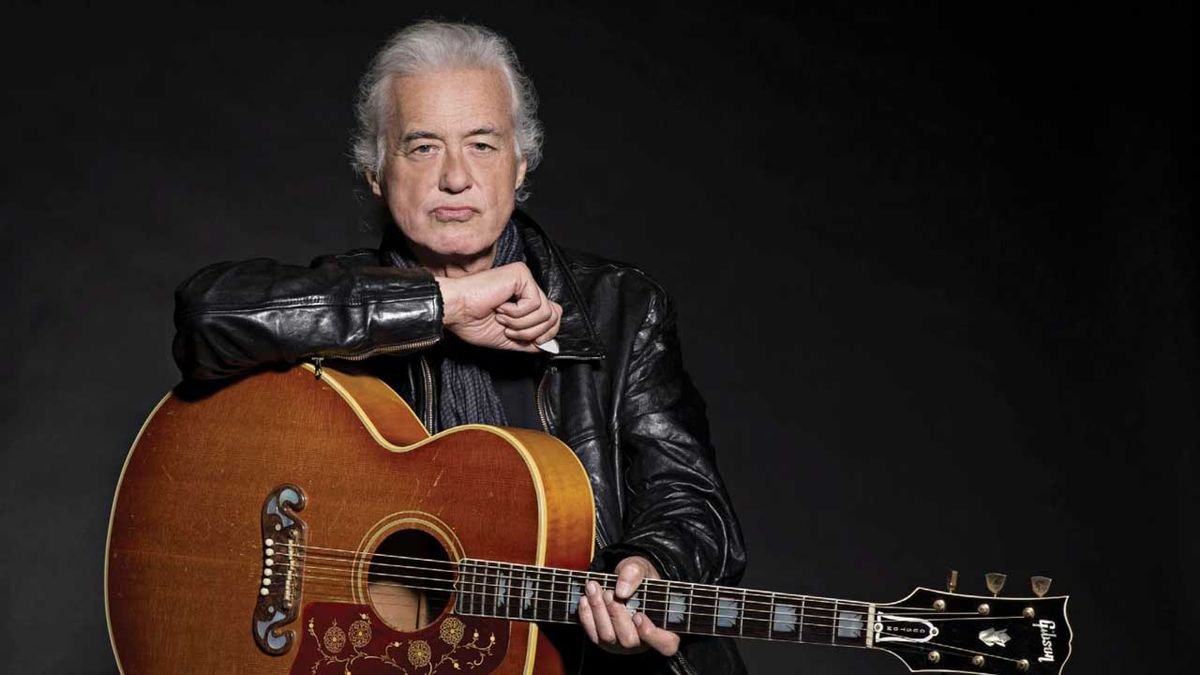
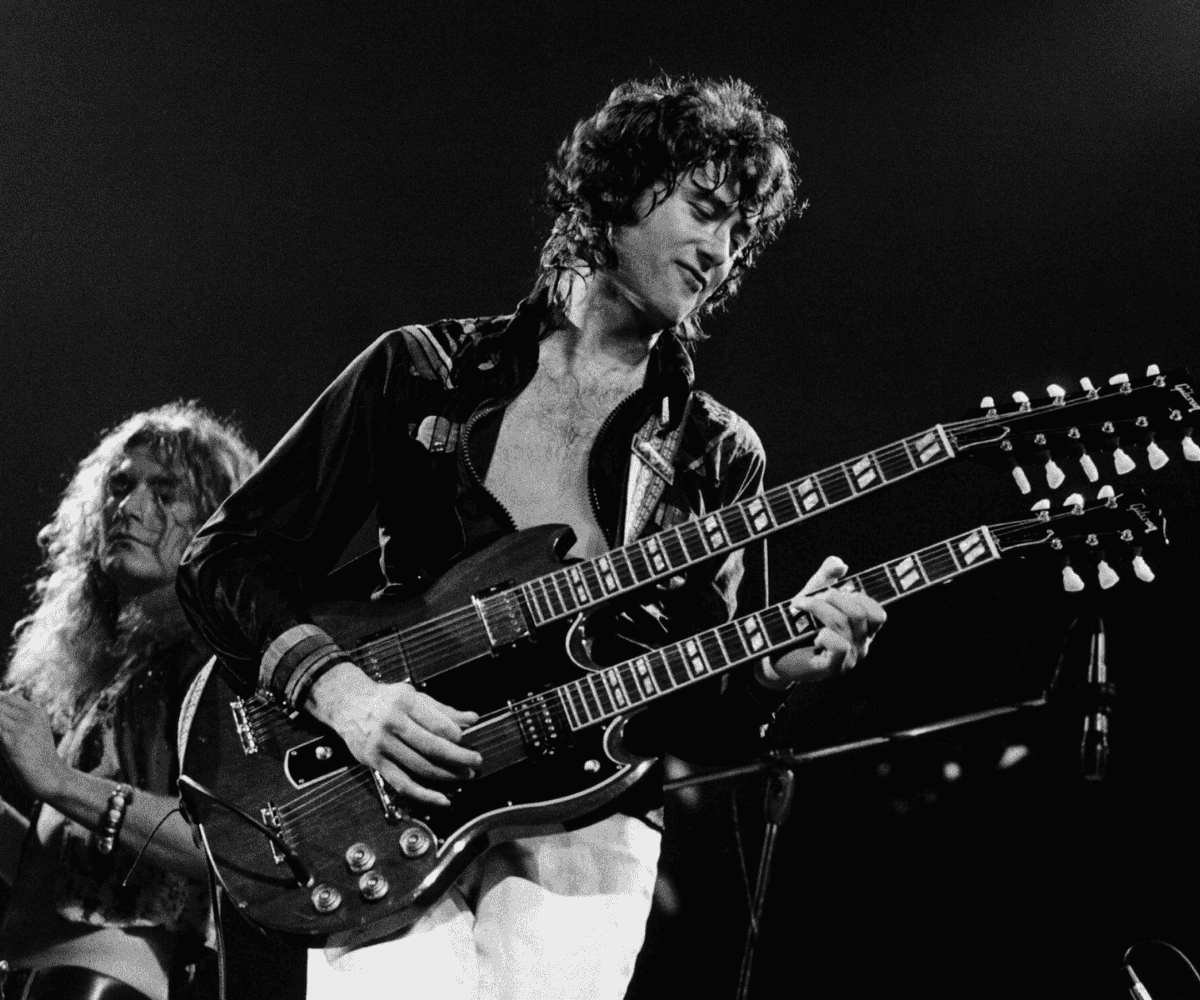
From the start, Led Zeppelin was always Jimmy Page’s creation. While the band may have operated like a democracy on the surface, Page’s vision was the guiding force behind everything they recorded. Nothing made it onto a Zeppelin record without his signature touch, especially when it came to production. Whether they were on tour or in the studio, Page rarely stepped away from the helm.

In truth, if it were up to him, Led Zeppelin would likely still be making records today. Page had a seemingly endless supply of riffs, and as long as John Bonham was behind the drums, the band was unstoppable. But when Bonham tragically passed away after In Through the Out Door, it was clear the magic couldn’t be replicated. Replacing Bonham wasn’t just difficult—it was impossible.

Yet the end of Zeppelin opened unexpected doors for Page. Free from the massive weight of leading one of the greatest rock bands in history, he could finally collaborate with artists he’d long admired. One such figure was Paul Rodgers, leading to the formation of The Firm. It was a new chapter, but one that still carried the unmistakable Page energy—complete with violin bow guitar solos and thunderous riffs.

Still, during Zeppelin’s prime, Page rarely entertained outside collaborations. With one notable exception.

That exception was Roy Harper. Known for his uncompromising style and poetic songwriting, Harper had already made a subtle appearance in the Zeppelin universe—Page had given him the spotlight on Led Zeppelin III’s closing track “Hats Off to (Roy) Harper.” But their friendship went deeper than a simple nod of respect. When Harper was working on his 1971 album Stormcock, Page broke one of his cardinal rules and stepped out of the Zeppelin bubble to contribute.

As Page recalled:

“The only deviation from that was my playing with Roy Harper on Stormcock. He and I were playing the two acoustics, and that was really cool. I really admired Roy’s work and still do… that was the only area really where I stepped out of Led Zeppelin, because if I wasn’t on the road I was writing for the next album.”

It was a rare move, but one that gave fans a different look at what Page could do outside the Zeppelin framework. Stormcock featured intricate acoustic interplay, giving off a kind of mystical, folk-tinged atmosphere that echoed the acoustic moments from Led Zeppelin III. It felt like a glimpse into a parallel version of Zeppelin—one rooted more in English folk than heavy blues.

Even after Zeppelin, Page’s collaborations remained selective. His loyalty to the band—and to the sound he had crafted—kept him grounded. But when he did break form, like with Harper or later with Rodgers, it wasn’t just about experimentation. It was about connecting with artists who spoke the same musical language.

If anything, Page’s work on Stormcock reminds us that even a rock titan like him occasionally needed to step outside his own shadow—to trade the thunder for the whisper, and to show us just how wide his creative range could be.

0 Shares:
Leave a Reply

Your email address will not be published. Required fields are marked *

You May Also Like
Beatles-on-the-Rooftop
Read More

Paris, January 1964: the Olympia shows were messy — power cuts, photographers scrapping backstage, and a crowd that didn’t give them the screaming welcome they were used to. Then they got back to the Hotel George V… and everything changed. A telegram hit: “I Want To Hold Your Hand” is No.1 in America. Brian Epstein came flying into the room, and just like that, the Beatles knew the world was about to flip. They celebrated the only way they could — a wild Paris dinner where the jokes were filthy, the “tableware” was outrageous, and the night turned into the kind of legend you tell forever.

The night The Beatles realised they’d CONQUERED America — the Paris power-cuts, backstage BRAWL… then a George V…
toby-keith
Read More

THE LAST TIME TOBY KEITH EVER SANG INTO A STUDIO MIC. No farewell speech. No curtain call. Just a man finishing the journey the way he always lived it—quietly, honestly, on his own terms. In 2023, Toby Keith walked into a recording studio for the final time. There was no announcement, no sense of occasion. Only a hushed room, dim lights, and a microphone that had carried his truth for more than thirty years. He wasn’t there to prove anything. At 62, he knew exactly who he was—and who he no longer needed to be. His voice had changed. It moved slower now, deeper, shaped by years of living, pain, and survival. Not diminished—seasoned. Between lines, you can hear him breathe, letting the silence speak its share. Those pauses weren’t flaws. They were choices. Moments of clarity from a man who valued honesty over force. Nothing in that session feels hurried or dramatic. It’s as if he sensed the chapter closing and chose not to dress it up. He sang with trust—trusting the song to stand alone, without bravado or goodbyes. That recording became the last time Toby Keith ever sang into a studio microphone. And somehow, because he never tried to make it feel like an ending… it became the most final one of all.

Introduction: In an industry that often announces every step with flashing lights and carefully timed headlines, Toby Keith’s…
Will Ferrell and Red Hot Chili
Read More

A jaw-dropping 95 million people can’t stop replaying the night Will Ferrell and Red Hot Chili Peppers drummer Chad Smith went stick-for-stick in their now-legendary drum battle on The Tonight Show. What started as a playful showdown between two lookalike “twins” turned into a thundering clash of rhythm and personality, as the funnyman and the rock icon hammered the stage with pure energy. With every beat, the crowd roared louder, torn between laughter and awe, as both men fought to prove who really owned the throne of the drums. It wasn’t just music—it was comedy, chaos, and pure adrenaline rolled into one unforgettable battle that fans still can’t get enough of.

Get ready for the most legendary drum battle of all time! When Will Ferrell and Red Hot Chili…
paul
Read More

Paul McCartney — at 83 — stood before thousands in California and brought Help! back to life for the first time in nearly four decades. A trembling, time-bending moment, as if he were calling out to John Lennon across the night sky. The song they wrote together in 1965 suddenly became a tribute — a bridge to the years when The Beatles were still four, when Lennon was still here, when nothing in music felt lost.

Sir Paul McCartney paid tribute to the late John Lennon by performing Beatles hit Help for the first time in almost four decades amid…
DON WILLIAMS
Read More

HE SANG LIKE A MAN WHO DIDN’T NEED TO PROVE ANYTHING. Don Williams never chased the room. He let the room come to him. On stage, there were no dramatic gestures. No big speeches. Just a tall man, a steady guitar, and a voice that sounded like it had lived a quiet life on purpose. When he sang “I Believe in You,” it didn’t feel like a performance. It felt like advice from someone who had already made his mistakes and learned to sit with them. Fame came, but Don treated it like weather. Useful. Temporary. He went home when the songs were done. In his later years, friends say he listened more than he talked. Old records. Old memories. Old mornings. And maybe that was his real gift — not teaching us how to sing louder, but how to stay gentle when the world gets noisy.

HE SANG LIKE A MAN WHO DIDN’T NEED TO PROVE ANYTHING The Quiet Entrance Don Williams never chased…