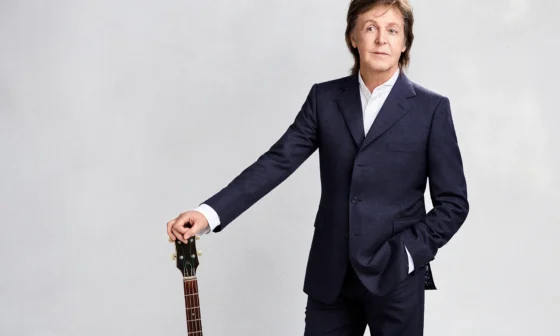
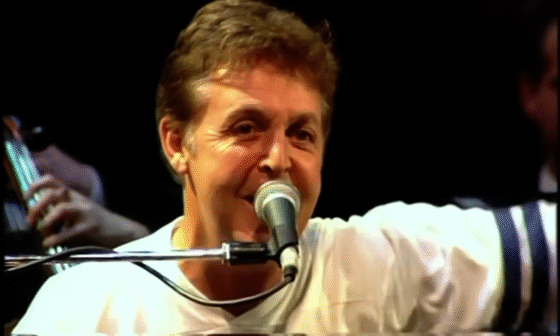
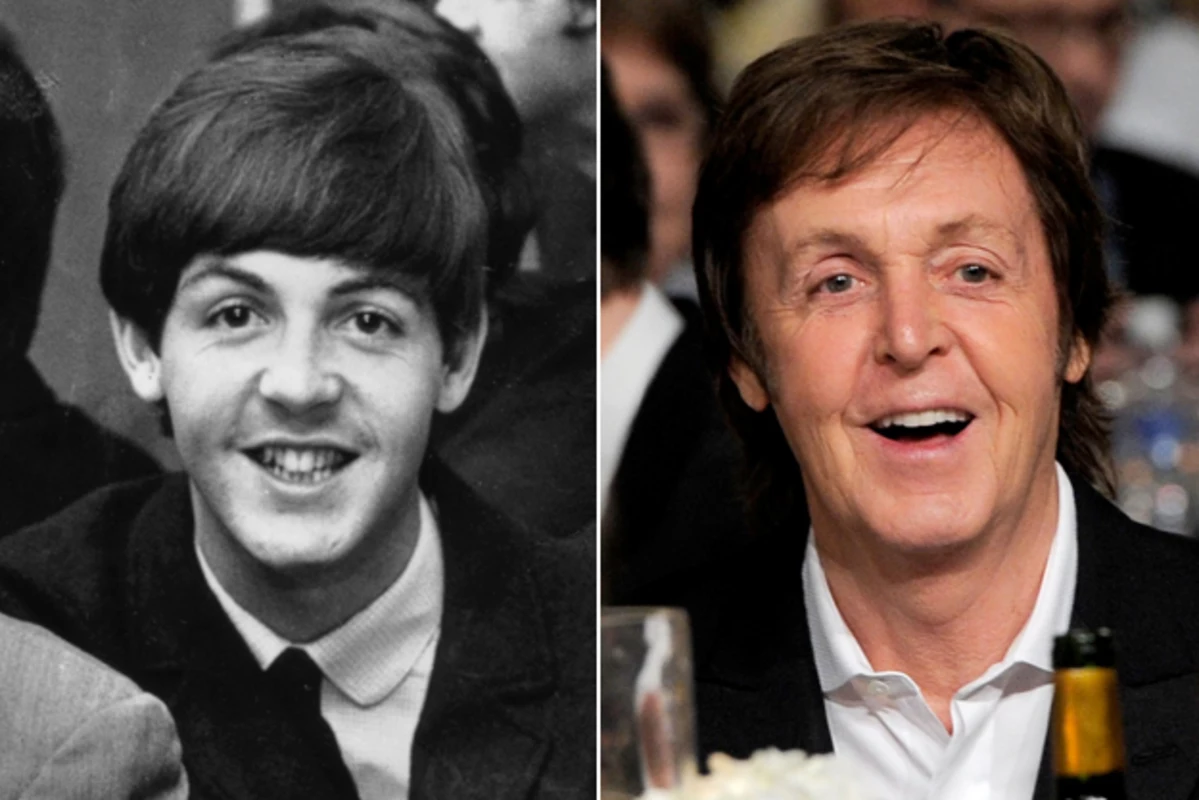
The moment Paul McCartney began She’s Leaving Home, the air in the hall changed. Conversations faded, cameras stilled — even the sound of breathing seemed careful, afraid to disturb what was about to unfold. Under the soft glow of the stage lights, McCartney leaned into the microphone, his voice carrying the wear of time but also the tenderness of memory. The first lines came gently, almost whispered, and instantly, the years between the song’s creation and this night collapsed. It was no longer just a story about a girl leaving home — it was about everyone who’s ever had to say goodbye.

The strings rose behind him like ghosts, patient and weightless. Their sound seemed to hover in the space between past and present, each note tracing the outline of a memory that had never really left. McCartney’s voice, gentler now, bore the ache of all those years — the unspoken understanding of a man who had lived long enough to see his own lyrics grow older with him. You could feel the collision between the young dreamer who wrote those words and the elder artist now revisiting them, each line echoing with both pride and regret.
In the crowd, faces softened. Parents reached for their children’s hands. Daughters leaned against their mothers’ shoulders. Strangers exchanged glances that needed no explanation. The song, once an anthem of youthful rebellion, had become something quieter — a mirror held up to time itself. McCartney sang the final verse with eyes half-closed, as if seeing someone he once knew walking away again, only this time he didn’t try to stop her. He simply let her go.
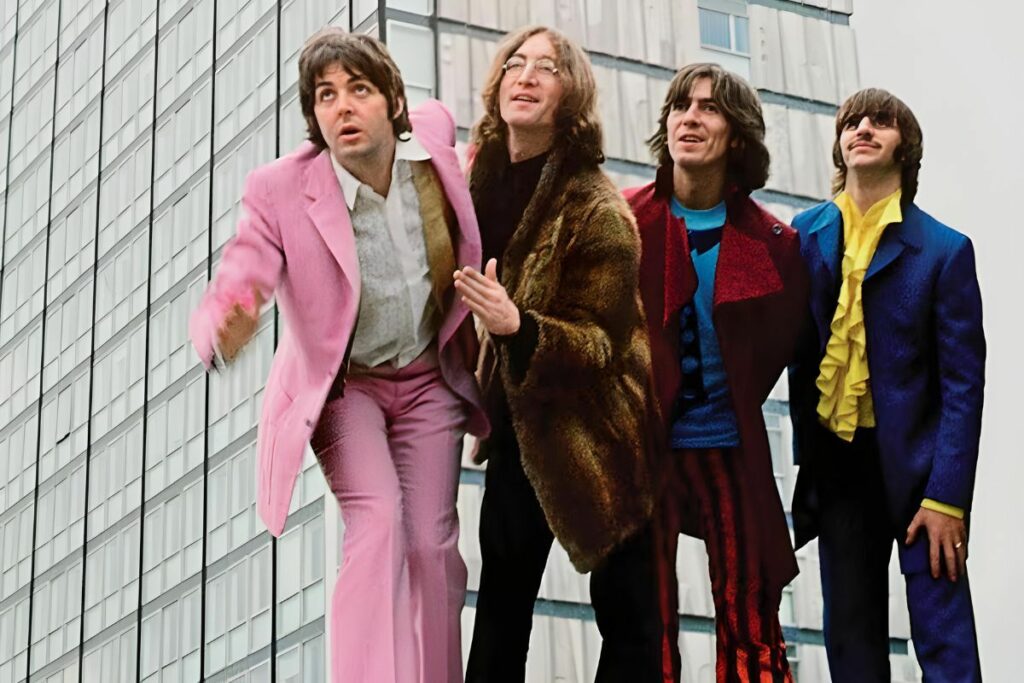
When the last note faded, the audience didn’t cheer right away. They just sat there — listening to the silence, letting it settle. Then, slowly, they rose, the applause gentle but full, like a sigh. McCartney smiled, a small, grateful smile that said more than words could. It wasn’t triumph. It was grace. Every performance of She’s Leaving Home had become a kind of farewell — to youth, to innocence, to moments that refuse to stay. And as he bowed his head, it felt as though he wasn’t just forgiving time for taking those things — he was thanking it for letting him sing them one more time.