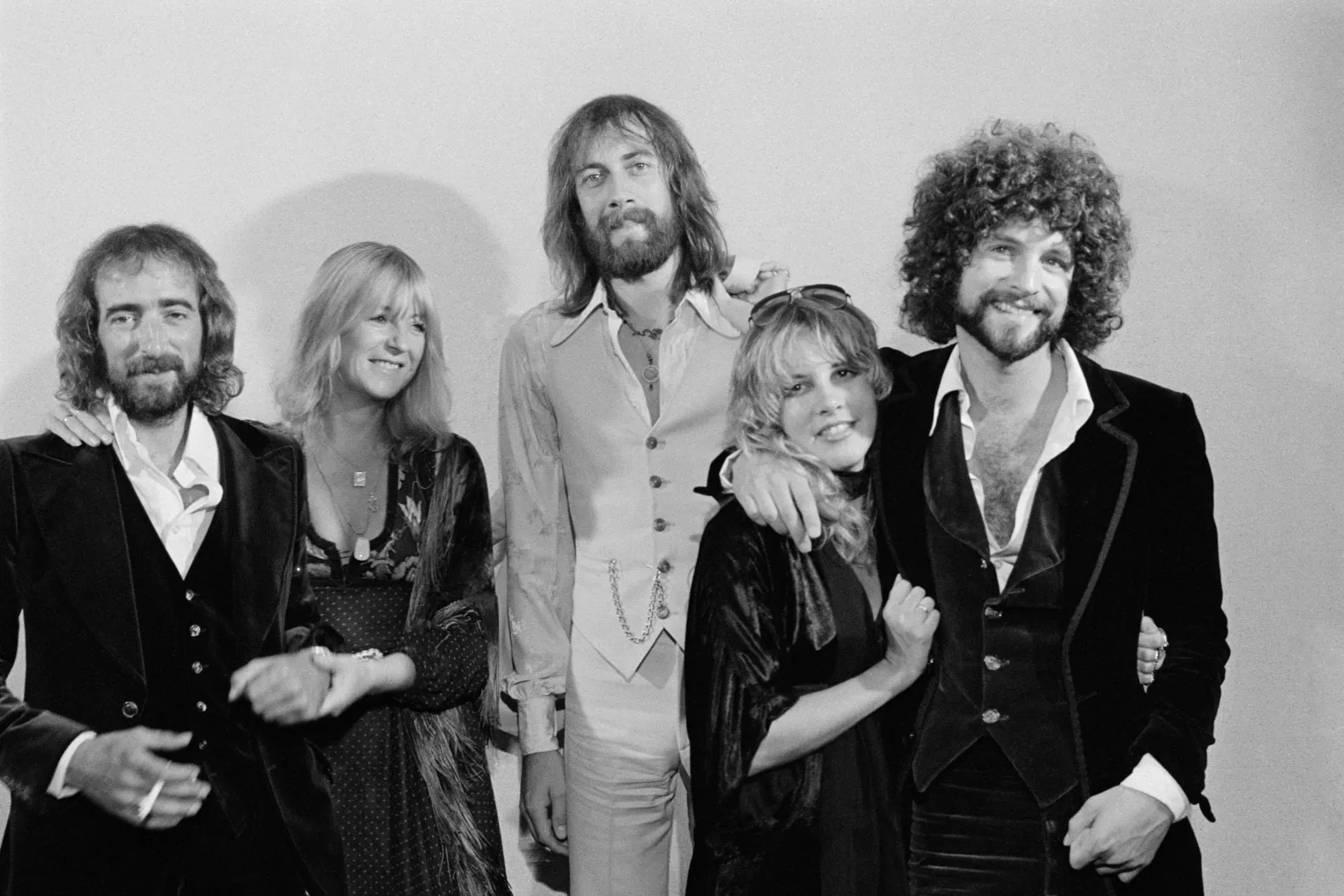
Fleetwood Mac’s “Black Magic Woman”, written by Peter Green, is one of the standout tracks from the band’s early blues-rock era. Released as a single in 1968, the song showcases Green’s talent as a guitarist and songwriter and highlights Fleetwood Mac’s roots in the British blues revival. While “Black Magic Woman” gained massive popularity through Santana’s 1970 cover, the original remains a raw and soulful masterpiece that laid the groundwork for the track’s enduring legacy.
Lyrics: A Tale of Seduction and Power
The lyrics of “Black Magic Woman” explore themes of desire, obsession, and the emotional turmoil caused by an enchanting, irresistible lover. Green’s narrator is captivated and unsettled by the “black magic woman,” who exerts a mysterious and alluring power over him. Lines like “You got your spell on me, baby” and “I can’t leave you alone” evoke the bewitching force of love and its ability to both delight and torment.
Peter Green’s understated vocal delivery gives the song a haunting, introspective quality, perfectly complementing its bluesy mood.

Musical Brilliance: Blues-Rock at Its Finest
The original “Black Magic Woman” is a slow-burning blues track, driven by Peter Green’s fluid, soulful guitar work. His intricate phrasing, warm tone, and subtle vibrato demonstrate his mastery of the blues guitar, creating a sound that is both emotive and technically brilliant.
John McVie’s bassline provides a steady, rhythmic pulse, while Mick Fleetwood’s drumming is restrained yet expressive, using cymbals and brushes to enhance the track’s smoky atmosphere. The minimalist arrangement allows Green’s guitar and voice to shine, emphasizing the raw emotion and intimacy of the performance.
Santana’s Cover: A New Perspective
While Fleetwood Mac’s original version is deeply rooted in the blues, Santana’s 1970 cover transformed “Black Magic Woman” into a Latin-infused rock classic. Santana’s version added congas, organ, and extended instrumental sections, bringing a vibrant energy and new life to the track. The cover became a massive hit, reaching No. 4 on the Billboard Hot 100 and introducing Peter Green’s songwriting to a global audience.
Despite Santana’s success, Fleetwood Mac’s original version remains a favorite among blues purists and showcases the band’s early artistry before their transition to a more mainstream rock sound.
Legacy and Influence
“Black Magic Woman” is a cornerstone of Fleetwood Mac’s early career and a testament to Peter Green’s brilliance as a blues guitarist and composer. Its influence can be heard in the work of countless musicians, and its enduring popularity is a testament to the song’s timeless appeal.
Green’s ability to blend soulful lyrics, haunting melodies, and emotional guitar work set the stage for Fleetwood Mac’s evolution as a band, even as their sound changed drastically in the years that followed.
Conclusion
Fleetwood Mac’s “Black Magic Woman” is a blues-rock gem that captures the essence of Peter Green’s artistry and the band’s roots in the British blues scene. Its haunting lyrics, emotive guitar work, and raw authenticity make it a timeless track that continues to resonate with listeners. While Santana’s cover brought the song to worldwide fame, Fleetwood Mac’s original recording stands as a powerful and evocative piece of music history, showcasing the depth and brilliance of the band’s early years.