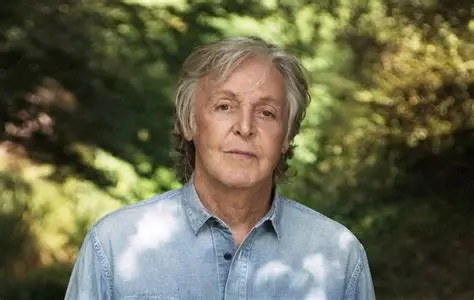

Introduction:
Barry Gibb: Keeping the Bee Gees’ Legacy Alive
The Bee Gees defined an era. With timeless hits and signature harmonies, they became true icons of popular music. Today, Barry Gibb—the sole surviving Gibb brother—is ensuring that their legacy continues to shine. Through his latest album Greenfields, Barry revisits the Bee Gees’ classics with a fresh perspective, blending their music with the heart of Nashville.
For this project, Barry collaborated with producer Dave Cobb and some of country music’s biggest stars. “I was bitten by Nashville,” Barry shared. “Nashville is about music—it’s about real songs.” Instead of choosing the tracks himself, Barry let his collaborators pick their favorites: Little Big Town selected “Lonely Days,” Sheryl Crow chose “How Can You Mend a Broken Heart,” and Dolly Parton brought new emotion to “Words.”
Recording at the legendary RCA Studio B in Nashville was a powerful experience for Barry. This historic space has hosted legends like Elvis Presley, Roy Orbison, and Willie Nelson. “Dolly told me, ‘This is where I sang I Will Always Love You and Jolene in the same afternoon.’ It was very special to be there,” Barry recalled.
Although the Bee Gees were born in Britain and raised in Australia, their sound was deeply influenced by American country music. Few people know that their song “Rest Your Love on Me” became a No. 1 hit for Conway Twitty, and their timeless “Islands in the Stream” was famously recorded by Kenny Rogers and Dolly Parton. Originally written for Diana Ross, the song became one of Barry’s 16 number-one hits co-written with his late brothers, Robin and Maurice.
Their extraordinary success is captured in the acclaimed HBO Max documentary The Bee Gees: How Can You Mend a Broken Heart. It traces their journey from the 1960s ballads to the 1970s disco revolution, when songs like “Jive Talkin’” and “Stayin’ Alive” dominated the charts. The Saturday Night Fever soundtrack alone spent 24 consecutive weeks at No. 1, becoming one of the best-selling albums in history. “Stayin’ Alive,” inspired by the energy of New York City, remains a powerful anthem of resilience.
Despite his pride, Barry admits the documentary is difficult for him to watch. “I can’t handle seeing the loss of my family,” he shared quietly. After losing Maurice in 2003 and Robin in 2012, Barry faced years of loneliness and uncertainty. “I didn’t have a breakdown. I just didn’t know where to go or what to do.”
Now 74, Barry continues to honor his brothers through music. Performing without them is bittersweet, but the joy of keeping their songs alive outweighs the pain. “It’s lonely up there when you haven’t got your brothers,” he said. “But you still make it—you’re still having fun. And that’s what counts.”
Through Greenfields and his enduring passion, Barry Gibb ensures the Bee Gees’ music lives on—not just as nostalgia, but as a vibrant, timeless legacy.
Video: