Linda Ronstadt – I Knew You When

lINDA

Linda Ronstadt Opens Up About Parkinson's and Memoirs

Introduction

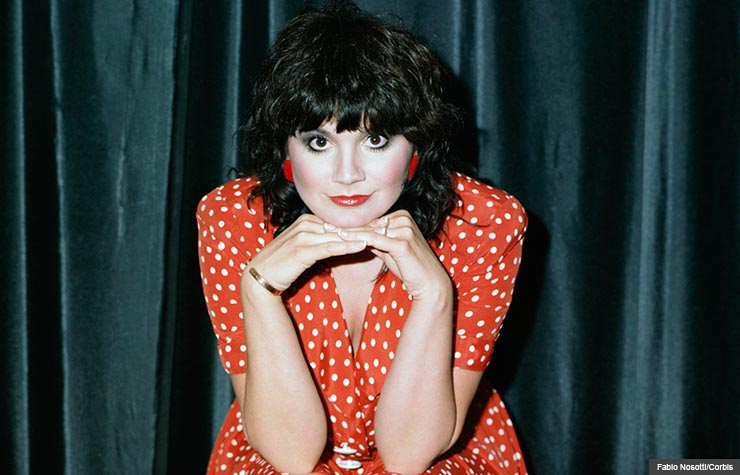
When Linda Ronstadt released “I Knew You When” in 1982, she was already one of America’s most celebrated voices—a singer who could glide effortlessly between country, rock, pop, and jazz. Featured on her platinum-selling album Get Closer, the song marked yet another chapter in her genre-defying journey. Originally written and recorded by Joe South in 1961, “I Knew You When” is a reflection on time, friendship, and the bittersweet distance between who we were and who we’ve become. In Ronstadt’s hands, it became something more intimate—an emotional portrait painted in her unmistakable voice.

From the very first note, Ronstadt’s rendition captures a delicate balance between strength and vulnerability. Her voice—clear, warm, and tinged with melancholy—carries the song’s message with quiet conviction. “I knew you when you were lonely,” she sings, her tone neither accusatory nor regretful, but wistful, as though she’s paging through the scrapbook of a shared past. The simplicity of the lyric hides its emotional depth: it’s a song about recognizing change, about realizing that the people who once defined us have drifted into memory.

Musically, “I Knew You When” blends classic pop sensibilities with Ronstadt’s distinctive California rock polish. Produced by Peter Asher, the track features crisp guitar lines, steady percussion, and a touch of soulful harmony that anchors Ronstadt’s soaring vocal. The arrangement feels both timeless and of its era—rooted in early ’80s pop craftsmanship, yet never overwhelmed by it. It’s the kind of song that invites quiet reflection rather than spectacle.

What makes Ronstadt’s interpretation so powerful is her emotional authenticity. She doesn’t simply sing the lyrics; she lives them. Throughout her career, she had a rare gift for interpreting other people’s songs as if they were fragments of her own story. In “I Knew You When”, that gift is fully on display. Her delivery suggests both gratitude and sorrow, as if she’s standing on the edge of memory, looking back at someone she once loved but can no longer reach.

By the time of its release, Ronstadt was no longer the barefoot country-rock ingénue of the 1970s. She was an established icon, navigating adulthood, change, and artistic reinvention. In that context, “I Knew You When” feels almost autobiographical—a song about coming to terms with time’s quiet transformations. The youthful optimism of her early work had given way to deeper introspection, and this track captures that shift with poignant grace.

Though not one of her biggest commercial hits, “I Knew You When” has endured as a fan favorite and a testament to Ronstadt’s interpretive genius. It’s a reminder that her greatest strength was never just her vocal power—it was her ability to make every lyric feel deeply human.

Four decades later, “I Knew You When” still resonates. It speaks to the universal truth that life moves on, people change, and yet, memories linger—softly, beautifully, like a familiar melody echoing from another time.

Video

0 Shares:
Leave a Reply

Your email address will not be published. Required fields are marked *

You May Also Like
Keith Urban & Lainey Wilson
Read More

Lainey Wilson just gave Christmas a full-blown country makeover — and nobody saw it coming. The 2025 NFL Christmas Gameday halftime show lit up U.S. Bank Stadium, but Lainey completely stole the moment. Dressed in a white winter jumpsuit and her signature cowboy hat, she rolled onto the field in a sleigh like a honky-tonk Mrs. Claus and tore into “Santa Claus Is Coming to Town” like it belonged in a dive bar. The Vikings and Lions were on the schedule — but the real showdown happened at midfield, and Lainey won it with festive fire to spare.

The 2025 NFL Christmas Gameday halftime show lit up U.S. Bank Stadium in Minneapolis, but it was Lainey…
BRIAN
Read More

At a commemorative concert in London, Brian May stepped out, his signature white curls glowing, clutching his weathered Red Special guitar. By his side stood Roger Taylor. But the true center of attention was a haunting void in the middle of the stage—a lone, upright microphone stand with no one behind it. The music began. “Love of My Life.” Brian plucked the strings, the notes ringing out with heartbreaking sorrow. He didn’t sing. Instead, he let 80,000 fans fill the silence, singing Freddie Mercury’s part for him. Brian closed his eyes, tilting his head toward the heavens as if communing with an old friend. For a moment, it felt like Freddie was really there—right beside him, draped in his royal cape, conducting this colossal choir. When the song faded, Brian walked slowly toward that empty microphone and made a gesture that moved even the toughest men to tears…

In the world of rock and roll, silence is usually the enemy. Concerts are built on noise—the roar…
adam
Read More

Drop Everything—Adam Lambert Just Broke the Internet. In a haunting, stripped-down a cappella version of Queen’s “Somebody to Love,” Adam Lambert unleashes pure, unfiltered emotion with vocal power that crashes over you like a tidal wave. No stage. No spotlight. No distractions. Just raw talent that cuts straight to the soul. Fans are losing their minds—calling it otherworldly, unreal, and nothing short of legendary

Adam Lambert has done it again! The legendary singer shared a jaw-dropping acapella performance of Queen’s “Somebody to…
Gianluca Ginoble
Read More

HE DIDN’T CHASE THE NOTE — HE LET THE MOMENT FIND HIM. 🎶✨ Gianluca Ginoble stood perfectly still and refused to hurry a single phrase of “Falling in Love,” allowing the opening line to rest gently in the air before moving on. You could see the shift ripple through the room — a shared breath, a soft pause, a collective stillness. His voice arrived warm, then quietly aching, never showy, never pushed. It felt less like performance and more like memory — the kind that makes you smile just before it stings. The lights glimmered behind him without ever competing, framing rather than distracting. Nothing pulled focus from where it mattered most. He wasn’t trying to impress. He trusted the feeling to speak — and somehow, everyone felt it at the same time.

There are performances that impress you, and then there are performances that slow you down. Gianluca Ginoble’s rendition…