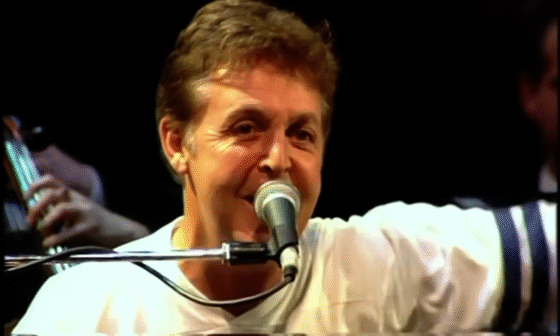
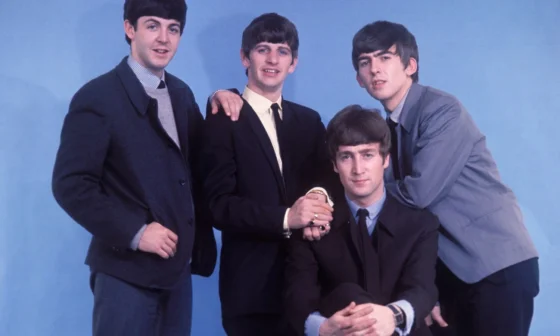
For decades, Paul McCartney has been seen through the lens of history — as the driving force behind The Beatles, a global icon whose music reshaped popular culture. But in her newest documentary, Mary McCartney offers something different: an intimate portrait of her father, revealing moments so personal and unguarded that early audiences were left in tears.
Unlike past projects that retell the familiar Beatles story, Mary’s film lingers on quiet, unseen moments — Paul strumming his guitar in solitude, sketching half-formed lyrics on scraps of paper, or sharing laughter with family. It is less about the superstar and more about the man, one who has lived through extraordinary triumphs and heartbre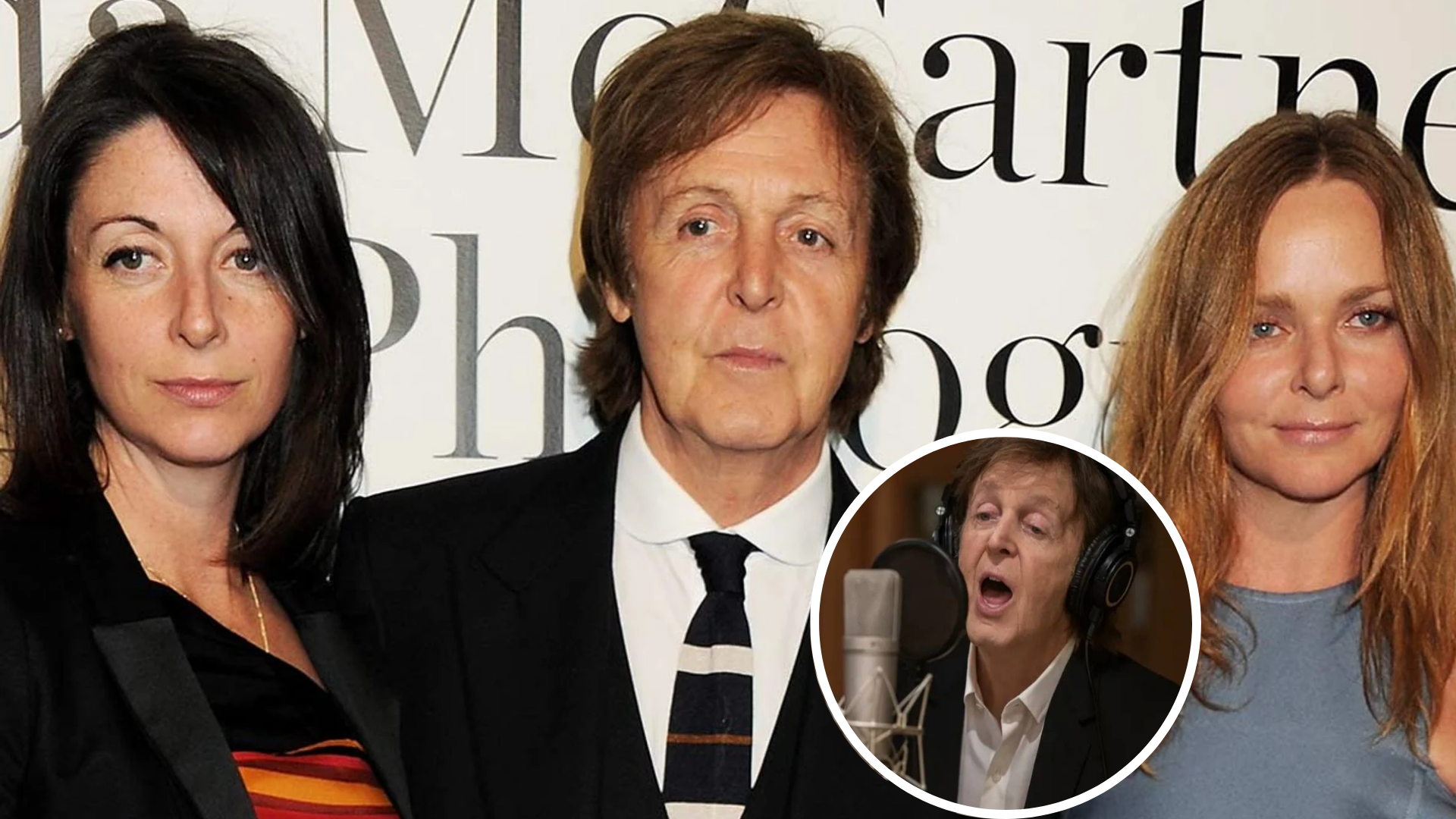
A Song That Captures the Heart
One of the most poignant reflections in the documentary ties back to McCartney’s 1984 ballad No More Lonely Nights. While not as universally recognized as Hey Jude or Let It Be, the song reveals Paul at his most heartfelt — vulnerable, sincere, and timeless.
In it, McCartney sings with a warmth that feels almost conversational, promising: “I can’t wait another day until I call you.” It is a line that carries more than longing; it is devotion, a vow that love can pierce even the darkest silence. Backed by David Gilmour’s soaring guitar, the track blends intimacy with grandeur, reminding listeners of McCartney’s unmatched ability to write songs that are both deeply personal and universally resonant.
A Father Through a Daughter’s Eyes
Mary’s documentary mirrors that same tenderness. She captures her father not in the roar of a stadium, but in the stillness of reflection. Paul speaks softly about Liverpool, about losing John Lennon and George Harrison, and about the silence that followed. These moments, stripped of celebrity gloss, echo the vulnerability of No More Lonely Nights — an artist who acknowledges loneliness but never surrenders to it.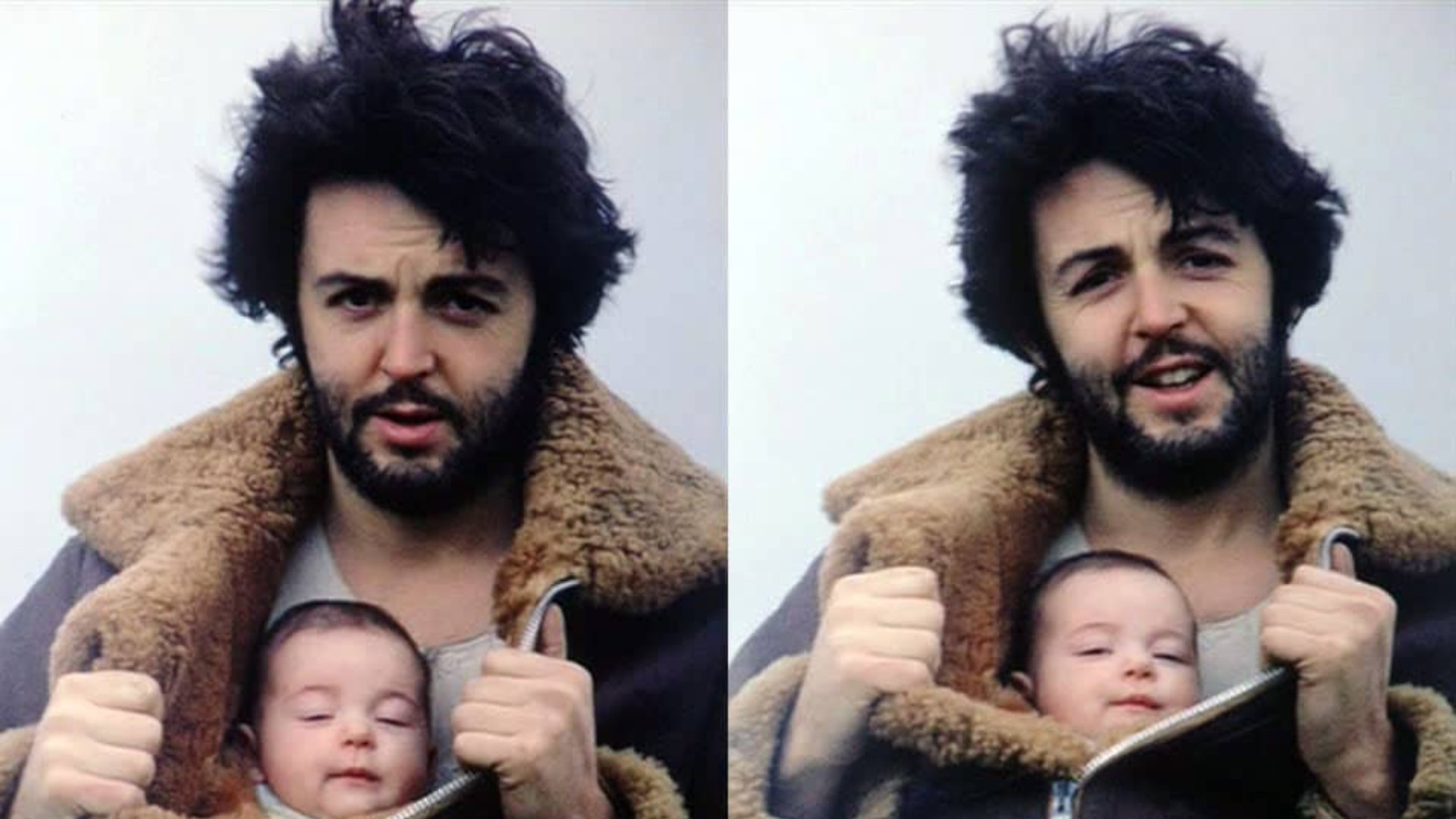
Legacy Beyond the Legend
What emerges is not just Paul McCartney the Beatle, but Paul McCartney the father, the survivor, and the man whose music still carries comfort to millions. For his fans, the film is more than nostalgia; it is an invitation to see the human being behind the myth.
Decades after its release, No More Lonely Nights still resonates because it is sincere, timeless, and profoundly human. And Mary McCartney’s film does the same — offering the world not another legend of Paul McCartney, but a glimpse of the man her camera, and her heart, know best.