 A Late-Career Torch Song: The Regal Melancholy of Love Remembered, Sung with the Rich, World-Weary Voice of a King.
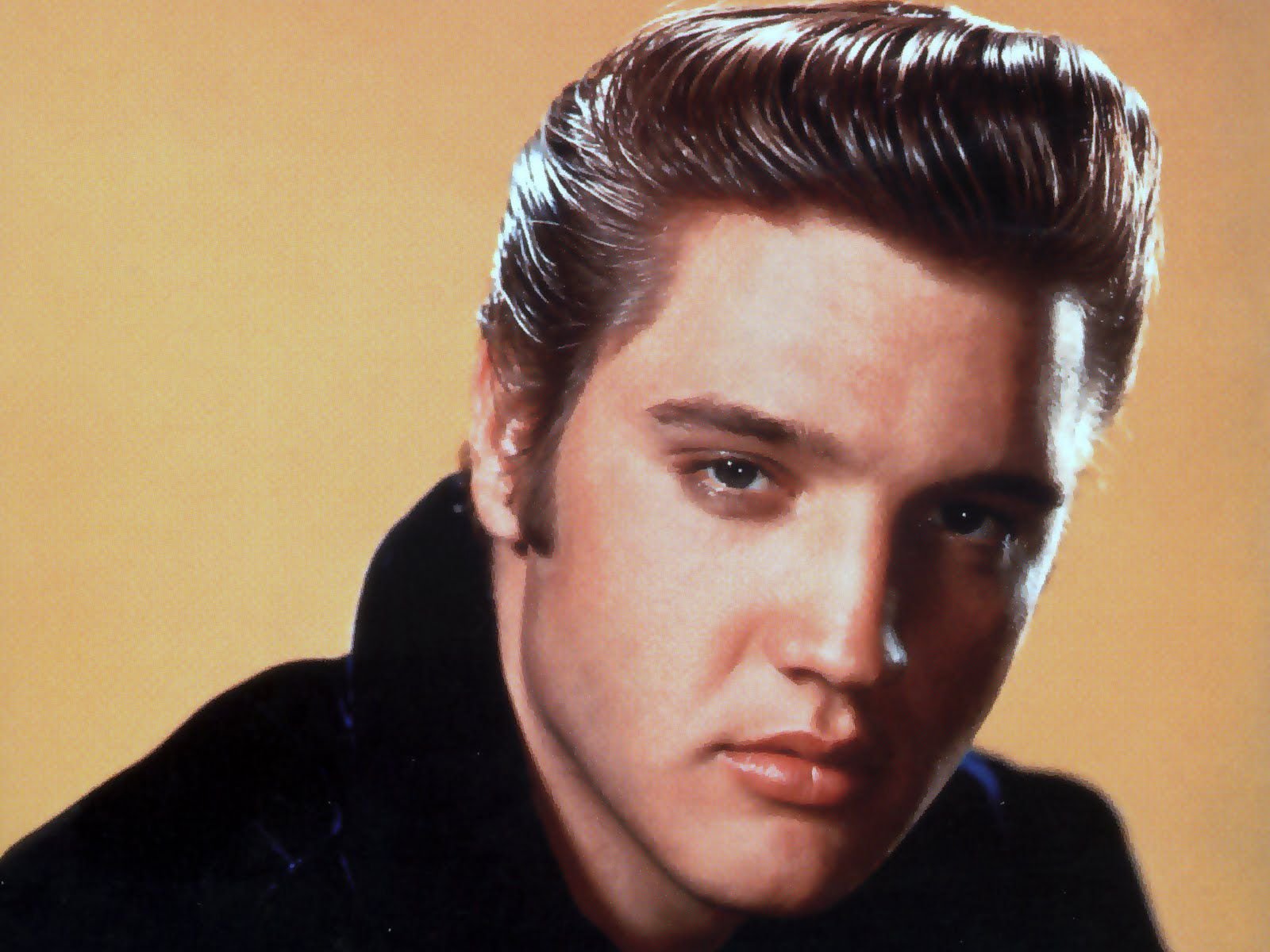
There is a profound, almost cinematic quality to Elvis Presley’s 1974 rendition of “Spanish Eyes.” It is a song that belongs to his final, deeply resonant era the period where the jump-suited King of Rock and Roll had transformed into a regal, almost operatic vocalist, capable of handling the most sweeping, romantic material with a unique blend of power and tenderness. This wasn’t the raw, explosive energy of the 1950s; this was the sound of a man who had lived a hundred lives, his voice imbued with the kind of world-weary sorrow and enduring romance that only time can etch into a performance.
The song itself was a global standard, originally an instrumental titled “Moon Over Naples” composed by German bandleader Bert Kaempfert in 1965. It gained enduring fame as “Spanish Eyes” with lyrics by Charles Singleton and Eddie Snyder, most notably becoming a huge international hit for Al Martino in 1966. By the time Elvis approached it, the song was already a classic, particularly beloved by the older, sophisticated audiences of his Las Vegas and touring years.
Elvis Presley recorded “Spanish Eyes” during a pivotal time in his career, the momentous Stax Records sessions in Memphis, Tennessee, in July 1973. However, the version most widely known and released was captured during the subsequent Memphis sessions in December 1973 at the Stax studio, which yielded the album “Good Times.” This album was released in March 1974, marking a period of prolific, albeit tumultuous, recording. While “Spanish Eyes” was not released as a standalone single, it was a centerpiece of the album, which itself performed respectably, peaking at Number 50 on the Billboard Top LPs & Tape chart (now the Billboard 200) and reaching Number 5 on the Top Country Albums chart highlighting the dual audience that passionately followed his work.
The significance of Elvis’s take is the dramatic shift in arrangement and delivery. The Elvis version is not merely a cover; it’s an epic reinterpretation. Arranger Mike Leech gave the song an incredible depth, featuring rich orchestral strings, a soaring chorus of background voices, and, most crucially, the fiery, unmistakable drama of Spanish-style trumpets. This instrumentation elevated the song from a simple lounge ballad to a magnificent, theatrical “torch song” a perfect vehicle for his powerful late-career voice.
What makes Elvis’s performance so captivating, particularly for those who came of age during his career, is the vulnerability he allows to surface. The lyrics tell a simple, evocative tale: the memory of a beautiful woman with “Spanish Eyes” whose gaze follows him wherever he goes, a love that has left an indelible, bittersweet mark. But when Elvis sings it, you hear the weight of his own public and private life the grand stage, the demanding schedule, and the personal loneliness that often defined his existence in the 1970s.
When he hits those high notes the sustained, almost aching baritone that so few singers could manage it feels less like a performance and more like a confessional. He is singing about a love that is simultaneously beautiful and unattainable, a perfect echo of the King’s own iconic yet isolated status. In the live shows of that era, “Spanish Eyes” often allowed Elvis to demonstrate his vocal command and theatrical flair, sometimes performing it as an impromptu request, often joined by the phenomenal backing vocalist Sherrill Nielsen in a striking duet that showcased both their ranges.
The song is a powerful memento of the Las Vegas years, a time of grand spectacle and emotional complexity. It stands as a sophisticated piece in his catalog, a beautiful illustration of how Elvis Presley could take a beautiful melody, infuse it with his own deep-seated emotion, and transform it into a resonant, unforgettable experience. It reminds us that behind the icon, there was a man with a truly remarkable voice who understood the melancholy poetry of heartbreak and enduring memory.
Video