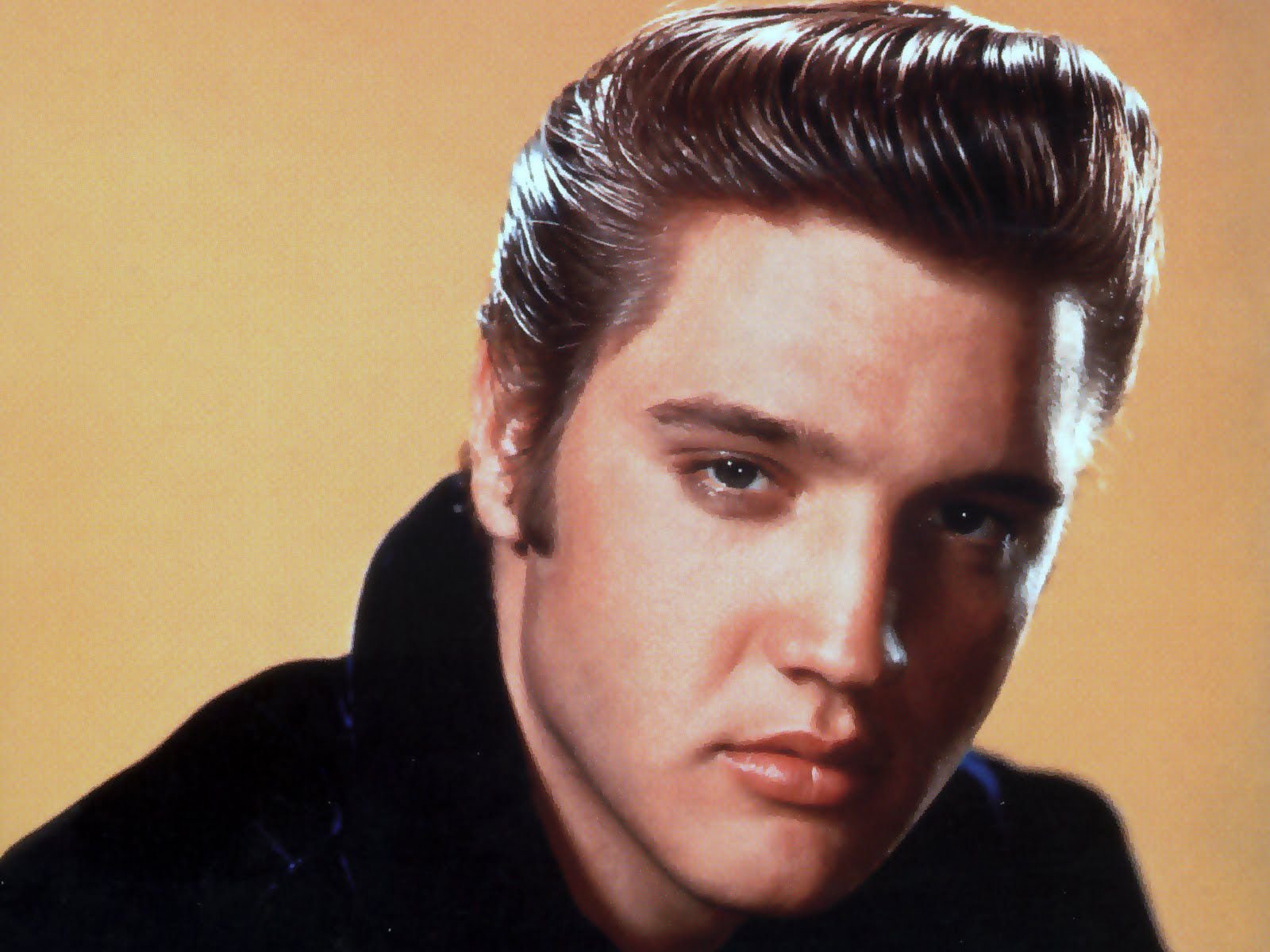
There was no farewell tour. No final speech. No moment when the world knew it was saying goodbye. On June 26, 1977, Elvis Presley stepped onto the stage for what would become his final performance — and no one in the arena realized they were witnessing the end of an era. The voice that changed music forever was still there. The connection with the audience was still undeniable. But something else was there too… a quiet struggle that makes this concert one of the most heartbreaking moments in rock history. Fans remember the pauses between songs. The visible exhaustion. The flashes of brilliance that reminded everyone who Elvis was — followed by moments that revealed how much the weight of it all had taken its toll. That night wasn’t tragic because it failed. It was tragic because he kept going anyway. Less than two months later, Elvis was gone. And this performance became an unintentional goodbye — a final glimpse of a legend giving everything he had, even when there was little left to give. It’s a moment that still haunts fans, not for what went wrong, but for what it revealed about the cost of greatness

Elvis

Elvis Presley’s Final 1977 Performance Remains One of the Saddest Moments in Rock Music

Elvis Presley CD: The Last Tours Vol.1 (4-CD) - Bear Family Records

On June 26, 1977, Elvis Presley walked onto the stage at Market Square Arena in Indianapolis for what would become the final concert of his life. There was no announcement. No farewell speech. No sense, at least publicly, that history was about to close one of its most legendary chapters.

Yet looking back, that night stands as one of the most heartbreaking moments in rock music — not because of spectacle, but because of what it quietly revealed.

A Legend Still Standing — But Clearly Struggling
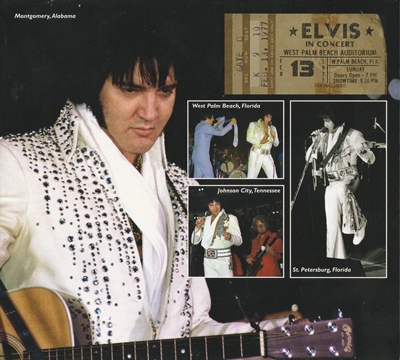
Elvis: The Last Tours Volume 1 - EIN in-depth FTD review

By 1977, Elvis was no longer the unstoppable force who once redefined popular music. Years of relentless touring, declining health, and personal struggles had taken a visible toll. Fans in the audience that night noticed it immediately.

His movements were slower.
His speech between songs sometimes wandered.
And yet — when he sang — the power was still there.

That contrast is what makes the performance so painful to revisit. The voice that once shook arenas and changed culture still soared, even as the man behind it was clearly fighting battles few could see.

Moments That Still Haunt Fans
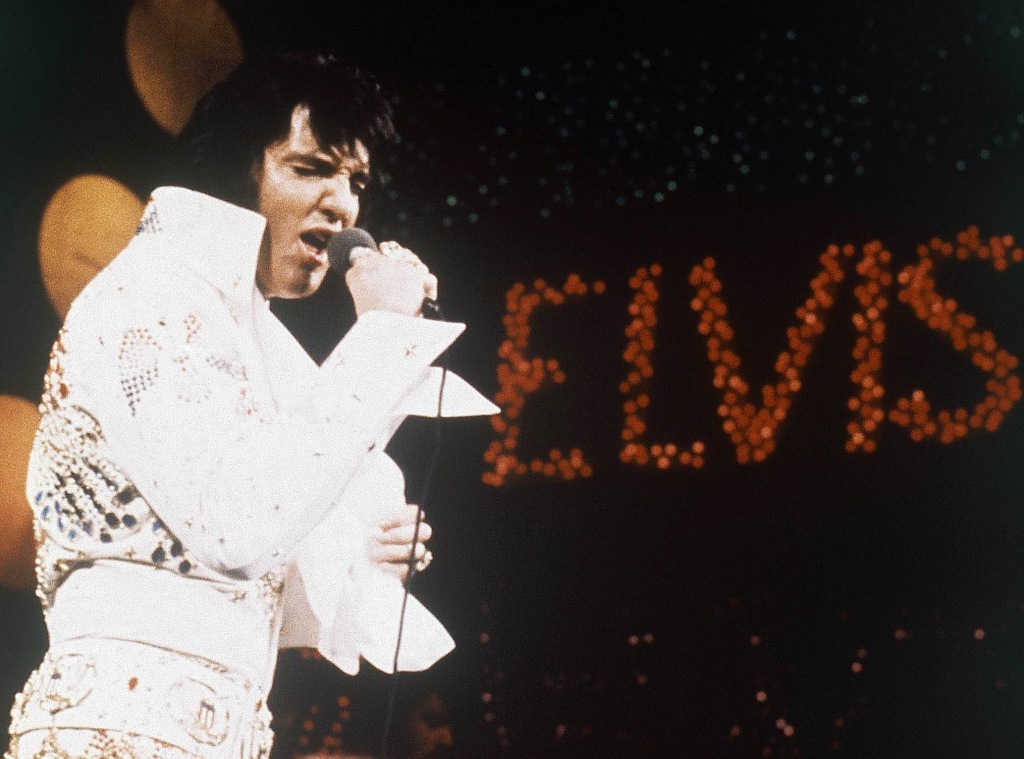
From Elvis to Harry Styles, reflecting on the king of rock and roll's impact at 85

Footage and recordings from the concert capture flashes of the Elvis fans loved: humor, sincerity, and a deep emotional connection to the crowd. He joked gently. He thanked his audience. He leaned into familiar songs with surprising intensity.

But there were also moments of visible exhaustion — pauses that lingered too long, sentences that drifted, a vulnerability that felt raw rather than theatrical.

To many watching today, it feels less like a concert and more like a final act of devotion. Elvis showed up because performing was who he was — even when it cost him everything.

No Goodbye, Just Silence

What makes the performance especially tragic is that no one knew it was the end.

There was no grand farewell tour.
No final bow framed as a conclusion.
Just another stop on a schedule that never seemed to slow down.

Less than two months later, on August 16, 1977, Elvis Presley was gone.

That Indianapolis concert became his unintentional goodbye — a last glimpse of a man who gave the world everything he had, even when there was little left to give.

Why the Final Performance Still Matters

Elvis’s last show endures not because it was perfect, but because it was human.

It reminds us that legends aren’t immune to pain. That greatness doesn’t always fade cleanly. And that sometimes the saddest moments in music history are the quiet ones — when the curtain falls without anyone realizing it has.

For fans, that final performance isn’t just a memory. It’s a reminder of the cost of brilliance, the weight of expectation, and the fragile humanity behind one of the greatest icons the world has ever known.

Elvis didn’t leave the stage triumphant that night.

He left it honest.

And that’s why it still hurts.

0 Shares:
Leave a Reply

Your email address will not be published. Required fields are marked *

You May Also Like
Mark Knopfler and Brian Johnson
Read More

When Mark Knopfler’s guitar met Van Morrison’s voice at Bill Wyman’s 80th birthday concert, the entire hall fell into a stunned, reverent silence — as if two decades of blues had just collided in midair. The first riff felt like memory, the first vocal like prayer, and suddenly the room wasn’t a venue at all but a smoky, timeless bar from another era. Fans watched Knopfler glance at Morrison with that rare musician’s grin — the kind that says, “We only get nights like this once.” Even the other rock legends backstage stopped moving, listening as if the music had pulled them back into their own youth. And long after the final chord faded, people whispered the same thing: that whatever happened on that stage wasn’t just a performance — it was lightning caught in human hands.

A Night Built of Legends: When Knopfler, Morrison and Rock Royalty Came Together for Bill Wyman’s 80th On…
Bob dylan
Read More

When Bob Dylan stood alongside Roger McGuinn, Tom Petty, Neil Young, Eric Clapton, and George Harrison for “My Back Pages” in 1992, it became more than a tribute — it was a rare convergence of voices that had shaped generations, each verse carrying decades of triumph, loss, reinvention, and legacy, until the final chorus felt less like a performance and more like time folding in on itself under a single wash of stage light.

Rock history is filled with iconic moments, but only a handful rise to the level of true legend.…
Julian Lennon
Read More

Five sons. One song. And a legacy that finally exhales. Julian Lennon, Sean Lennon, James McCartney, Dhani Harrison, and Zak Starkey don’t try to recreate The Beatles. They stand quietly inside its shadow and let Here Comes the Sun breathe again — not as nostalgia, but as continuation. No spectacle. No imitation. Just five voices carrying something fragile, honest, and deeply understood.

LIGHT BREAKING THROUGH FIVE SHADOWS There are songs that belong to history, and there are songs that seem…