
Being a major league rock star sounds like a dream, but for many of the greats, that dream comes with a complicated reality. Music, the thing that once brought pure joy, can start to feel like a job—a tiresome obligation dictated by schedules, managers, and record labels. Even the biggest names in rock eventually face the tension between passion and pressure.
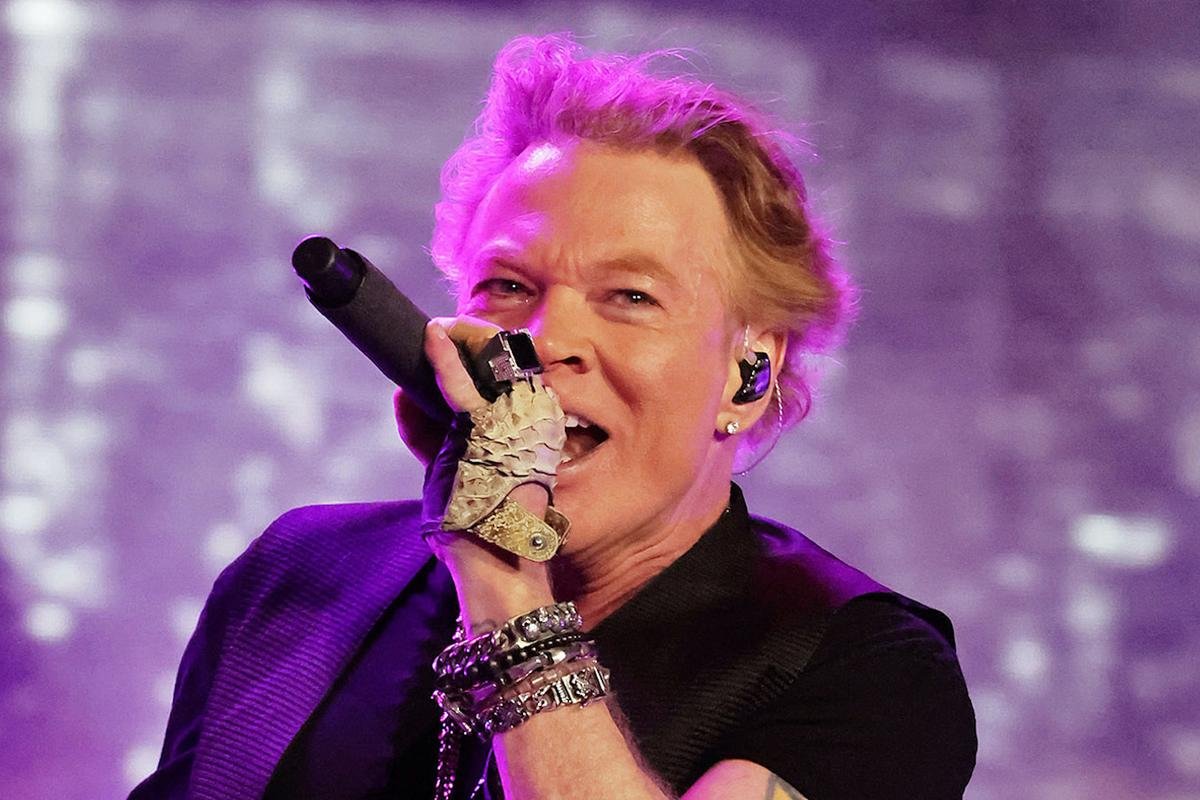
Guns N’ Roses provide a striking example. In the mid-1980s, a group of ambitious, talented musicians converged on the Sunset Strip, playing music that would soon dominate the pop charts. Within just a couple of years, they went from small clubs to massive arenas almost overnight, propelled largely by the music video for “Welcome to the Jungle.” Success arrived faster than anyone could imagine, but along with it came the weight of expectation. Music was no longer just for themselves—it was a responsibility to a vast, paying audience and an industry watching their every move.
Even in that intense environment, Axl Rose found ways to stay connected to music as a fan. In 1992, at the height of Guns N’ Roses’ fame, he admitted to journalist Andy Secher that he still tried to catch as many live shows as possible, even from bands he might not have followed before. “Well, Jane’s Addiction was my band, and they broke up,” he said. “I really don’t get the chance to see that many bands live because it’s just too hectic. But I’m really into U2, and I was really into their stadium shows. I went to every one of their shows that I could.”
U2’s Zoo TV tour at the time was legendary—an elaborate spectacle that pushed the boundaries of what stadium rock could be. For Rose, seeing these performances wasn’t just about entertainment; it was about connecting with peers who understood the rarefied pressures of global superstardom. Bono and U2 weren’t just rock stars—they were fellow musicians navigating the same stratosphere of fame, a perspective few outside that world could ever truly grasp.
That’s the paradox of reaching rock’s upper echelon: success changes your relationship with music. It’s no longer just a source of joy—it’s a craft under constant scrutiny, a responsibility to fans, and a lens through which you view other artists. For someone like Axl Rose, it also brings a newfound appreciation for music itself, offering the chance to admire and respect the artistry of others in ways that weren’t possible before fame reshaped his world.