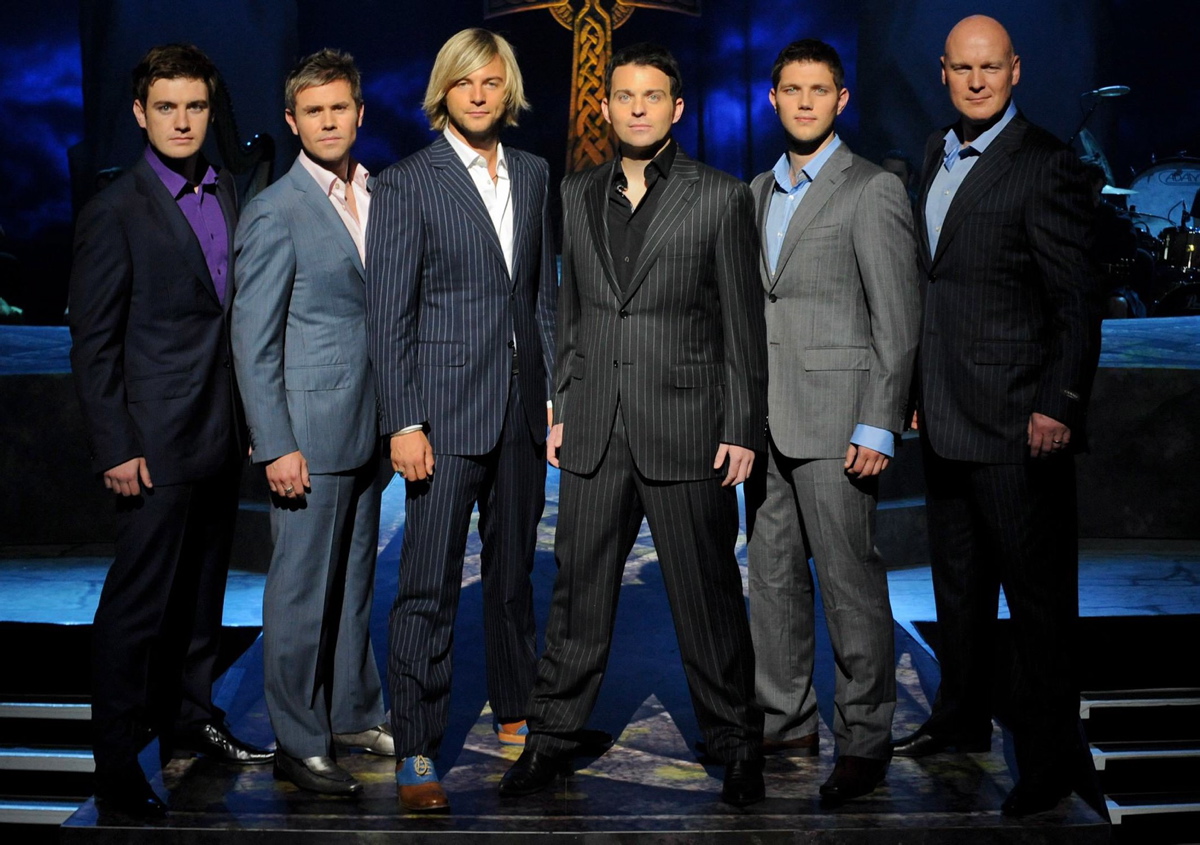
Celtic Thunder’s stirring live performance of “Ireland’s Call” continues to resonate deeply with audiences, standing as a powerful reminder of Irish unity, pride, and resilience.
While the song is not Ireland’s official national anthem, the group’s soaring harmonies and heartfelt delivery have elevated it into something just as meaningful for many listeners — a musical symbol that reaches Irish hearts wherever they may be.

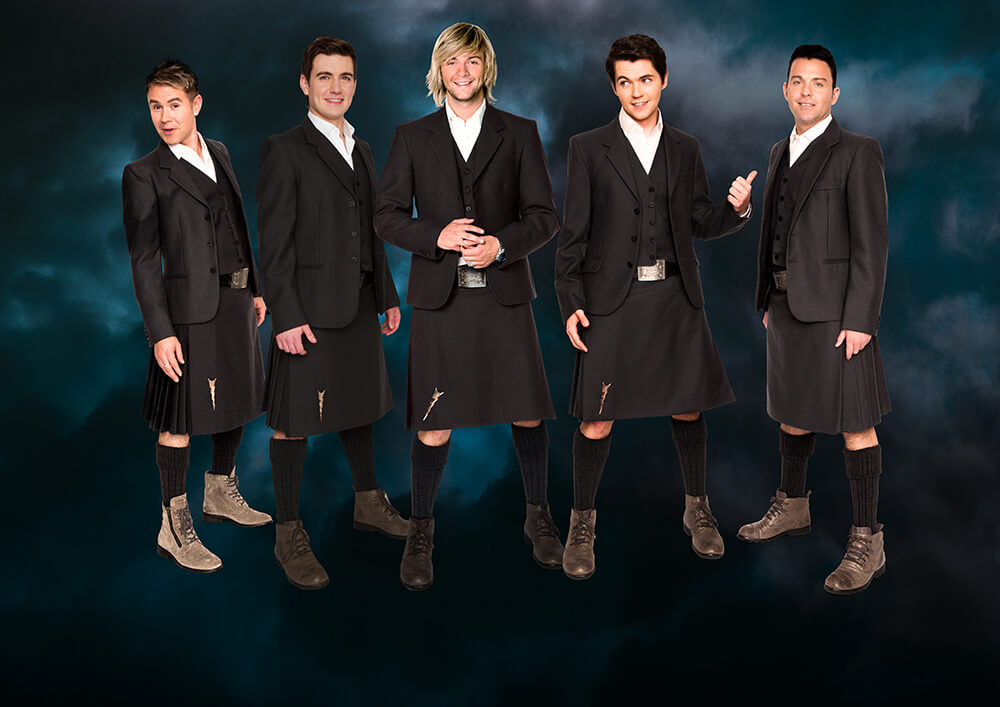
Recorded live in Poughkeepsie in 2010, the performance by the original Celtic Thunder lineup has seen renewed attention online, with fans calling it “unreal” and describing the moment as more than just a concert. “This isn’t just a performance — it’s a call to every Irish soul, no matter where we live,” one viewer wrote, echoing hundreds of emotional reactions.
Much of the response centers on heritage and connection. Fans from Ireland, the United States, South Africa, and beyond have shared stories of discovering Irish ancestry, visiting the homeland of their ancestors, or simply feeling an unshakable bond with Irish culture. Even listeners who are not Irish by birth say the song gives them goosebumps and brings them to tears.
The performance also carries special meaning for longtime fans who continue to honor the late George Donaldson, a beloved member of the original lineup. Comments remembering his voice and presence remain prominent, with many saying the group is “never the same” without him — but that his legacy lives on through moments like this.
What “Ireland’s Call” Really Means

“Ireland’s Call” was written to represent unity across the entire island of Ireland, especially during times of division. The song emphasizes togetherness, strength, and pride, repeatedly referencing “the four proud provinces of Ireland” — Connacht, Leinster, Munster, and Ulster — as one collective voice.
While rugby fans are most familiar with a shortened version sung before matches, Celtic Thunder often performs a longer, more emotional arrangement. Their version expands on themes of resilience and loyalty, with lyrics such as “We will stay united through darker days” and “We will fight until we can fight no more,” reinforcing the Irish spirit of endurance in the face of hardship.
This broader interpretation helps explain why so many listeners — Irish or not — feel such a strong emotional pull. As one fan wrote, “This isn’t the national anthem, but it feels like one.”

Who Wrote “Ireland’s Call”?
The song was written by Phil Coulter, a celebrated musician, composer, and producer from Derry. He was commissioned by the Irish Rugby Football Union (IRFU) ahead of the 1995 Rugby World Cup to create a new anthem that could unite players and supporters from both Northern Ireland and the Republic of Ireland.
The idea first emerged in the late 1980s, during the height of political division caused by the Troubles. The IRFU wanted a song that focused on shared identity rather than politics — a message of unity that everyone could stand behind.
Reflecting on the song’s impact years later, Coulter said hearing a stadium full of fans sing it back was a moment beyond comparison, one that went far beyond chart success or record sales.
Why Ireland Sometimes Uses Two Anthems
The Irish rugby team is unique in that it occasionally uses two anthems. When playing at home in Dublin, matches begin with “Amhrán na bhFiann,” the official national anthem of Ireland, followed by “Ireland’s Call.” For away games and international tournaments, only “Ireland’s Call” is played, as it represents the entire island.
The Republic of Ireland football team does not use “Ireland’s Call,” while Northern Ireland continues to use “God Save the King.”
A Song That Transcends Sport
More than three decades after it was written — and more than a decade after Celtic Thunder’s Poughkeepsie performance — “Ireland’s Call” remains a song that transcends sport, nationality, and time. Through voices like Celtic Thunder’s, it continues to unite generations, honor heritage, and remind listeners that Irish pride is not defined by borders, but by spirit.
For many, it isn’t just a song.
It’s a feeling — and one that still answers the call. 🍀