Coming Home: The Night Paul McCartney Turned Liverpool Into a Living Memory

paul-mccartney

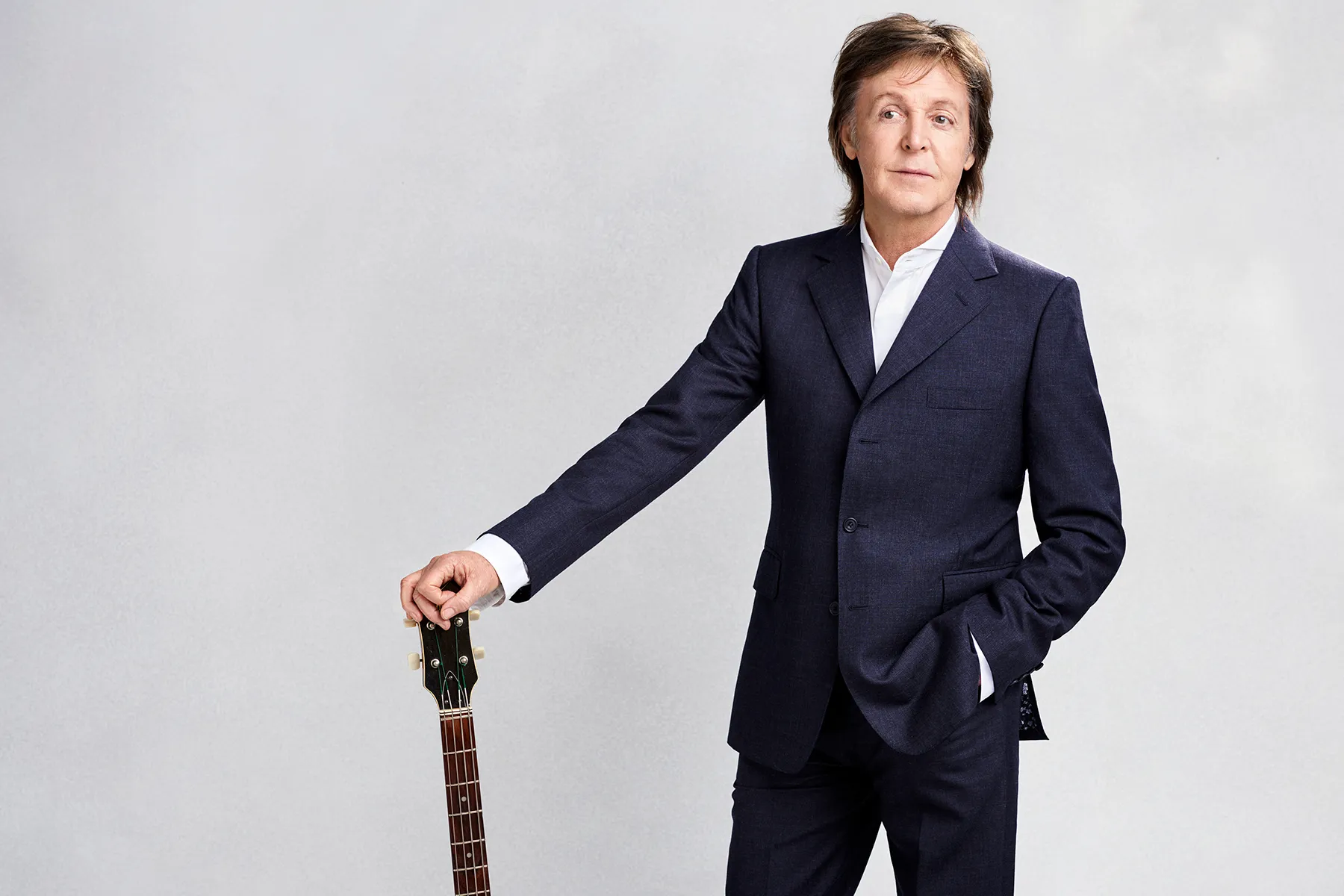
On June 1, 2018, something special was already in the air in Liverpool. Fans filled the streets and gathered near the venue, expecting a night of music from one of the most celebrated artists in the world. After all, any performance by Paul McCartney carries a certain weight—decades of songs, memories, and cultural impact woven into every setlist.

But this night was different from the start.

Because Liverpool isn’t just another tour stop. It’s where McCartney’s story began. Long before the global fame, before the sold-out arenas and international tours, this was home. It was here that a young musician first found his voice, formed friendships, and began shaping the sound that would eventually change music history through The Beatles.

As he stepped onto the stage, the atmosphere shifted. This wasn’t just an artist performing for fans—it felt like a return, something deeply personal playing out in front of thousands of people. There was a sense that the audience wasn’t just watching a concert, but witnessing a full-circle moment.

The performance itself carried that emotion throughout. Each song seemed to hold a connection to the past, echoing through the city that had heard those sounds in their earliest forms. For the crowd, many of whom had grown up with his music, it was more than nostalgia. It was a shared experience, a reminder of how deeply music can become part of people’s lives.

And for McCartney, the connection felt just as strong.

There’s something unique about returning to where everything started. It brings with it memories that can’t be recreated anywhere else—the early struggles, the first successes, the moments that shaped everything that followed. On that stage, those memories didn’t stay in the past; they seemed to exist alongside the present, blending into the performance itself.

The crowd responded in kind. There was energy, excitement, and celebration—but also something quieter underneath it all. A kind of appreciation, not just for the music, but for the journey behind it. Every cheer carried recognition of the path that had led from small beginnings in Liverpool to global influence.

Moments like this remind us why live music matters. It’s not just about hearing songs performed; it’s about connection. Between artist and audience, between past and present, between memory and experience.

This may contain: a man sitting in front of a mixing desk with lots of sound equipment on it

By the end of the night, it was clear that what had taken place went beyond entertainment. The concert had become something more meaningful—a shared memory created in the very place where so many others had first begun.

And perhaps that’s what made it unforgettable.

Because in Liverpool, on that night, Paul McCartney didn’t just perform his music. He brought his story home.

This may contain: a man in a blue suit holding a guitar and singing into a microphone on stage
0 Shares:
Leave a Reply

Your email address will not be published. Required fields are marked *

You May Also Like
Read More

Robin Gibb’s passing was not merely the fading of a star, but the final chapter of a life shadowed by battles few ever saw. From childhood, he carried the weight of hereditary illness — fragility that grew into cancer and devastating intestinal complications. Behind the spotlight, he endured chronic pain, relentless exhaustion, and severe weight loss, leaning on medications not to numb the world but to find the strength to keep singing. His haunting voice, even in decline, remained a vessel of beauty and devotion. For Barry, the loss of Maurice and now Robin shattered the harmony that defined the Bee Gees. Robin was not just an icon — he was a man who gave everything to his music, asking nothing in return.

ROBIN GIBB — THE HAUNTING VOICE OF THE BEE GEES AND A LIFE LIVED IN COURAGE The death…
Brad Arnold
Read More

🚨 ROCK 2000s SHOCK: “Kryptonite” singer Brad Arnold has passed away at 47 after a battle with cancer — but the final detail in the band’s statement is what’s leaving fans speechless… The news hit hard, yet what’s breaking people most is that last line — just a few words, but it paints a moment so peaceful… it hurts. Brad wasn’t just a frontman: he was the kind of voice that triggers instant memory, pulling a whole generation back to Kryptonite and the days we used rock to survive. Not long ago, he said he wasn’t afraid of the illness — and that calm strength makes today’s update even quieter, even heavier. Now fans are replaying “It’s Not My Time”… and wondering: did that song just take on a completely different meaning?

Brad Arnold, 3 Doors Down lead singer, dead at 47 after cancer battle 3 Doors Down lead singer…
Alan Jackson, George Strait, Trace Adkins, Kix Brooks, Ronnie Dunn & Willie Nelson
Read More

THEY DIDN’T COME BACK FOR NOSTALGIA — THEY CAME BACK TO REMIND EVERYONE WHO BUILT THE HOUSE. 🔥🎶 When Ronnie Dunn, 72, and Kix Brooks, 70, strode onto the stage on New Year’s night, it was instantly clear this wasn’t a polite victory lap, but a statement of ownership from Brooks & Dunn themselves. The performance crackled with the same fire that once defined an era, silencing any talk of age with sheer presence, grit, and unshaken chemistry. There was no leaning on memories, no softening of edges — just raw confidence from two artists who know exactly what they’ve built. With a new album on the horizon and a fresh tour lined up, the message landed hard and clear. Time hasn’t dulled their passion — it’s sharpened it.

Brooks & Dunn Prove the Fire Still Burns: Ronnie Dunn and Kix Brooks Dominate the New Year’s Stage…