There are moments in music that feel less like headlines and more like quiet shifts in the air—subtle, meaningful, and full of possibility. The coming together of James McCartney, Zak Starkey, Julian Lennon, and Dhani Harrison is one of those moments. Not because it promises a revival of The Beatles, but because it quietly suggests something more enduring—the continuation of a spirit that refuses to fade.
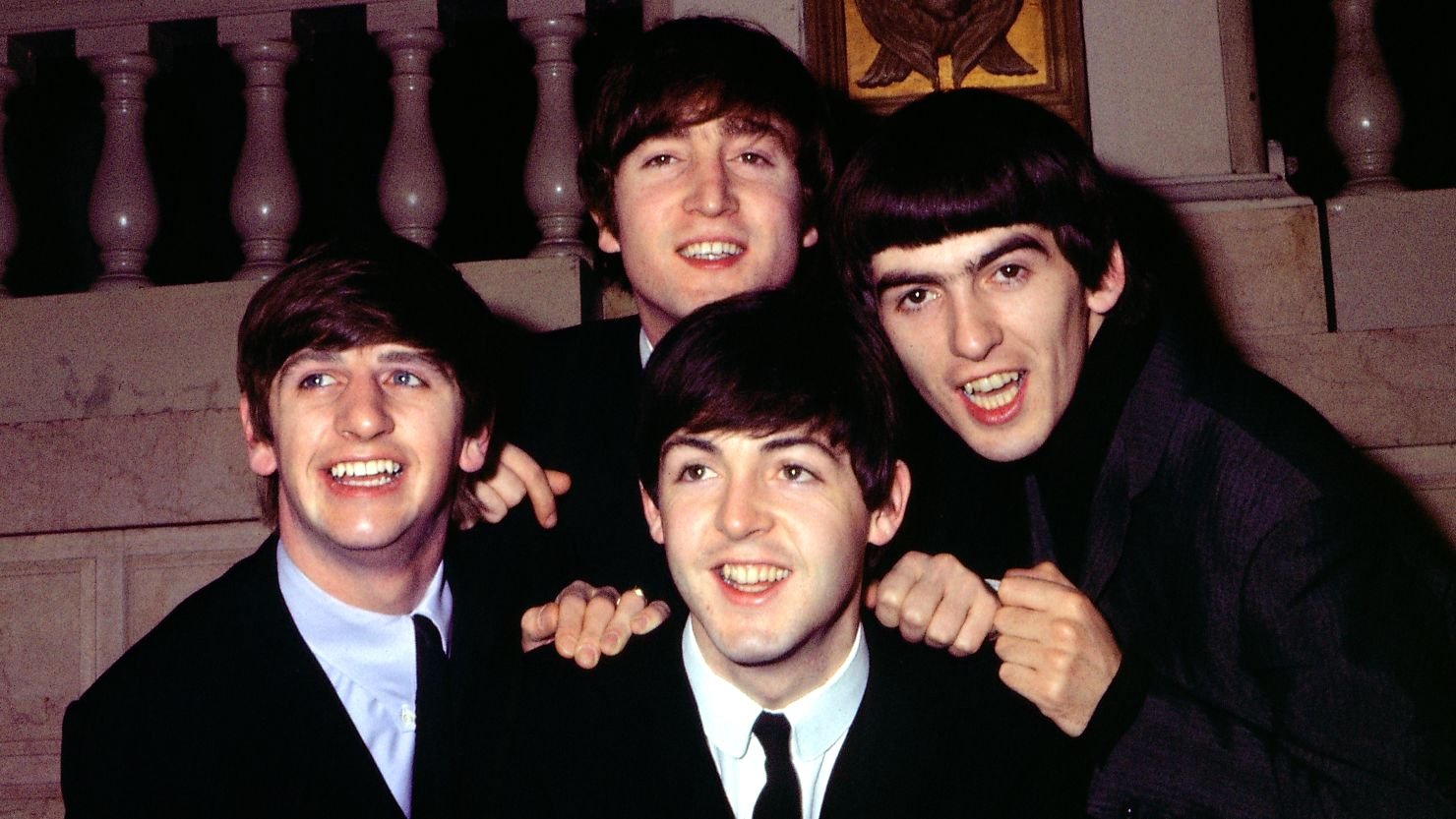
For decades, The Beatles have existed as more than just a band. Their music became a cultural language, one that shaped generations and still resonates in unexpected ways. That influence now finds new life, not in imitation, but in the individual journeys of those who grew up closest to it.

Zak Starkey, the son of Ringo Starr, has long stepped beyond the weight of expectation. His drumming has powered bands like The Who, earning him respect not as a legacy act, but as a musician in his own right. There’s a confidence in his playing—steady, bold, and unmistakably his.
Julian Lennon, carrying the name of John Lennon, has taken a more introspective path. His songwriting often feels personal, almost conversational, as though he’s constantly navigating the space between inheritance and individuality. Over time, he has shaped a voice that stands apart, even while echoes of the past occasionally surface.
Dhani Harrison, son of George Harrison, has approached music with careful balance. His work reflects a respect for his father’s influence, but never feels bound by it. Instead, he weaves those inspirations into something modern, textured, and forward-looking—music that acknowledges its roots while reaching outward.
And then there’s James McCartney, whose connection to Paul McCartney is impossible to ignore, yet never defines him completely. His style leans inward, thoughtful and melodic, offering a quieter but equally compelling presence in this gathering.
What makes this moment resonate isn’t nostalgia alone. It’s the absence of an attempt to recreate something untouchable. The Beatles belonged to a specific time—a convergence of personalities, culture, and creativity that can’t be duplicated. But their essence—the curiosity, the willingness to evolve, the emotional honesty—was never confined to that era.
When these four musicians come together, they aren’t stepping into their fathers’ shadows. They’re standing beside them, in a sense, carrying forward what can still grow. Their collaboration feels less like a reunion and more like a conversation across generations.
For fans, that’s where the real meaning lies. Not in the hope of hearing something that sounds exactly like the past, but in discovering how its influence transforms over time. There’s a quiet excitement in that uncertainty—in not knowing exactly what this collaboration might become.
Because legacy, at its core, isn’t about preservation. It’s about movement. It changes shape, finds new voices, and adapts to the world around it. And in moments like this, it becomes clear that the story of The Beatles didn’t end—it simply found new ways to be told.