Introduction:
Barry Gibb’s journey toward musical immortality did not begin beneath velvet theater seats or blinding stage lights. It began in the modest surroundings of a working-class home in Manchester on September 1, 1946, where survival mattered far more than applause. Born to Hugh Gibb, a drummer whose hands bore the marks of hard labor, and Barbara Gibb, a mother whose devotion held the family together through uncertainty, Barry’s earliest years were shaped by struggle rather than promise. At just two years old, a devastating domestic accident left him severely burned, a near-fatal ordeal that scarred his body but never diminished his resolve.

From these early trials, Barry discovered the one constant that would guide him through life: sound. Amid frequent moves and financial instability, music became his refuge. The steady rhythm of his father’s drums and the shared melodies with his younger brothers, Robin and Maurice, offered comfort and direction. By the age of eleven, Barry had already stepped into leadership, fronting a small band called the Rattlesnakes with his brothers. Performing songs by Buddy Holly and the Everly Brothers, they endured broken guitars, endless rehearsals, and small, uncertain paydays. These formative experiences built a foundation not of luck, but of discipline and resilience.
A pivotal chapter opened in 1958 when the Gibb family relocated to Australia. Singing between car races in Redcliffe, the brothers transformed hardship into harmony, crafting their distinctive three-part sound from courage and persistence. By his teenage years, Barry made the bold decision to leave formal education behind and commit fully to music—a choice that would shape popular culture for decades to come.
The 1960s marked the flowering of Barry Gibb’s songwriting genius. As the Bee Gees rose to international fame, songs such as New York Mining Disaster 1941 and Massachusetts showcased emotional depth and melodic sophistication. Later, global anthems like How Deep Is Your Love and Stayin’ Alive redefined popular music, blending lyrical sensitivity with unforgettable harmonies. Yet success came with its own trials. The backlash against disco in the late 1970s, profound personal losses—including the deaths of brothers Andy and Maurice—and health challenges tested Barry’s strength beyond the stage.

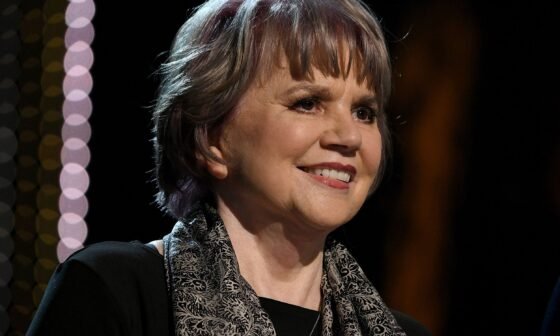
Through every storm, family remained his anchor. His second wife, Linda, became his quiet fortress, reminding him that self-worth must exist beyond public applause. In Miami, Barry found sanctuary—a place for reflection, creativity, and understated generosity through benefit concerts, disaster relief efforts, and animal welfare support, all carried out without spectacle.
Today, Barry Gibb stands as the last living voice of a once-four-part harmony. His falsetto, which once electrified stadiums, now carries memory, endurance, and grace. When his songs are heard, they echo more than pop history—they reflect the resilience of a family, the sacrifices of parents, and the unbreakable bond of brothers. Barry Gibb’s life reminds us that survival is not merely enduring hardship, but carrying love through it. In the end, what remains is not fame or fortune, but music forged in devotion. Barry Gibb is the last leaf on a weathered tree—rooted in love, shaped by storms, and still reaching toward the light.
Video: