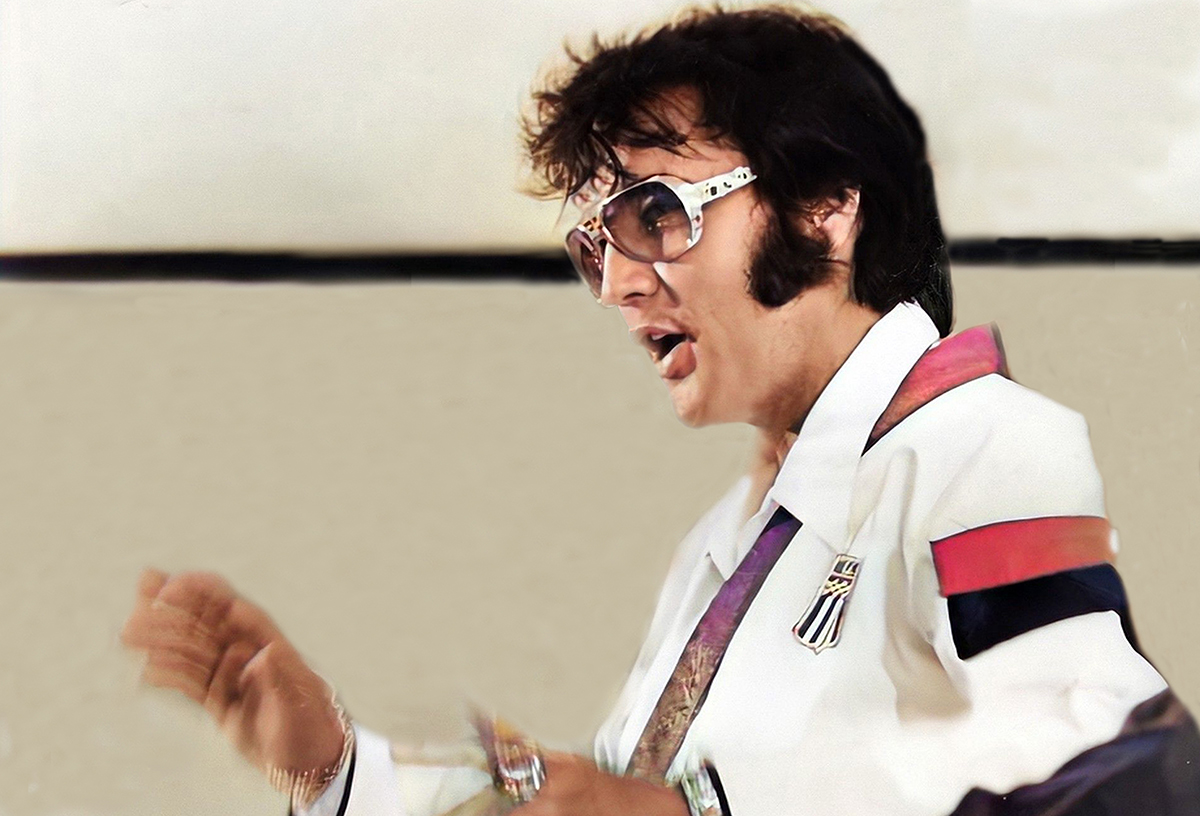
 Introduction and Short Summary of the Song
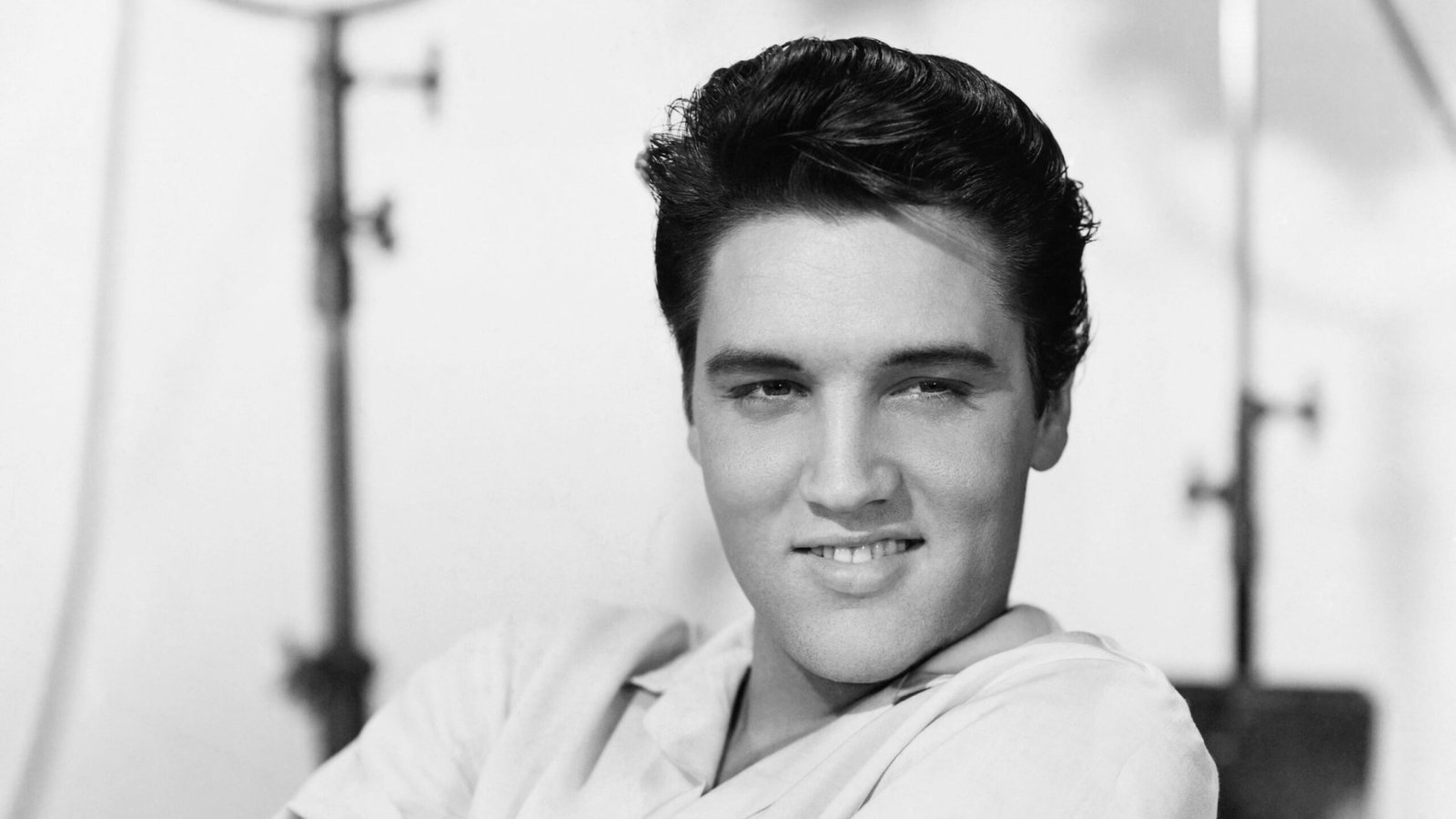
Released in August 1972, “Burning Love” was one of Elvis Presley’s final major hits and a powerful reminder of his enduring ability to command the rock and roll stage. Written by Dennis Linde, the song is fast-paced, fiery, and infused with playful yet passionate imagery that compares romance to a raging inferno. With its driving beat, soaring vocals, and irresistible hook, it climbed to number two on the Billboard Hot 100, making it Presley’s biggest U.S. pop hit of the 1970s. The track captured both the energy of his 1950s rock roots and the maturity of his later career, cementing its place as a highlight of Presley’s post-comeback years.
Origins of the Song
The songwriter Dennis Linde was known for his quirky, imaginative approach to rock and country music. He wrote “Burning Love” in 1972, drawing on metaphorical imagery of fire and heat to capture the excitement and intensity of romantic passion.
—> Scroll down for the VIDEO
The song was first recorded by country singer Arthur Alexander in early 1972, but his version did not gain significant attention. When the track was offered to Elvis Presley, it immediately stood out as an opportunity to reassert his rock and roll dominance. At the time, Presley’s singles leaned heavily on ballads and country influences, and “Burning Love” offered a refreshing return to high-energy rock.
Elvis recorded the track on March 28, 1972, at RCA Studio C in Hollywood. The session included accomplished musicians such as James Burton on lead guitar, Ronnie Tutt on drums, and Jerry Scheff on bass, with backing vocals from The Sweet Inspirations and J.D. Sumner and the Stamps. The instrumentation, particularly Burton’s searing electric guitar riffs, gave the track its distinctive rock edge.
—> Scroll down for the VIDEO
Why Elvis Released “Burning Love”
By the early 1970s, Elvis Presley was still a massive live attraction, especially with his Las Vegas residencies and nationwide tours, but his chart performance had slowed compared to his peak years. RCA and Presley’s management sought a single that would bring him back into the pop spotlight.
“Burning Love” was chosen because it captured the youthful vitality that had first defined Presley’s career while also fitting his more mature vocal style. Its rock-driven arrangement made it ideal for radio play, and its metaphorical lyrics allowed Presley to deliver both passion and playfulness.
The timing was also strategic. Presley had just come off the success of his Aloha from Hawaii satellite broadcast preparations and was eager to prove that he could still deliver contemporary hits in an era dominated by artists like The Rolling Stones and Led Zeppelin. “Burning Love” became his most significant pop single of the decade, proving that he remained competitive in a rapidly evolving musical landscape.
The Message Conveyed in “Burning Love”
The lyrics of “Burning Love” use fiery metaphors to describe the overwhelming sensations of romance and desire. Lines like “Your kisses lift me higher, like the sweet song of a choir” and “You light my morning sky with burning love” portray love as both consuming and uplifting. The imagery of heat, flames, and fire reflects the intensity of passion, suggesting that love is not just an emotion but a physical force.
Unlike Presley’s ballads, which often emphasized vulnerability or longing, “Burning Love” celebrates passion with confidence and exuberance. The narrator is overwhelmed by love’s intensity, but instead of despair, he revels in it, embracing the thrill of being consumed by desire.
Presley’s performance amplifies this message. His vocal delivery is urgent and electrifying, rising to powerful crescendos that mirror the song’s fiery imagery. The background vocals, particularly the gospel-infused harmonies, heighten the sense of joy and celebration.
The Recording and Musical Characteristics
Musically, “Burning Love” is built around a driving rock rhythm with strong guitar riffs and dynamic drumming. James Burton’s lead guitar is particularly prominent, punctuating the verses with sharp, memorable lines and adding texture to the choruses. Ronnie Tutt’s drumming provides relentless energy, propelling the song forward with power and precision.
The song’s tempo is brisk, with a rhythmic pulse that makes it perfect for live performance. The addition of gospel-style backing vocals from The Sweet Inspirations and J.D. Sumner and the Stamps adds richness and depth, contrasting with Presley’s lead vocal and giving the track a layered, full-bodied sound.
Presley’s vocal performance is the centerpiece of the recording. His voice soars with intensity, capturing both the urgency of desire and the exhilaration of passion. Unlike some of his more restrained ballads, “Burning Love” allowed Presley to unleash his vocal power in a way that recalled his early rock and roll days while demonstrating the maturity of his later style.
Cultural and Commercial Impact
“Burning Love” achieved remarkable commercial success, reaching number two on the Billboard Hot 100 in October 1972, just behind Chuck Berry’s “My Ding-a-Ling.” It became Presley’s biggest pop hit of the 1970s and his final top ten single on the Billboard pop chart during his lifetime. The single also reached number one on the Cashbox chart and was a major hit internationally, particularly in the United Kingdom.
Culturally, the song reinvigorated Presley’s image as a rock and roll performer. While much of his 1970s output leaned toward country ballads and gospel, “Burning Love” reminded audiences of the electrifying energy that had first made him a sensation. Its success helped bridge the gap between Presley’s early rock legacy and his later career as a seasoned entertainer.
The track also became a highlight of Presley’s live shows, often performed with extended arrangements that allowed him to showcase his vocal range and stage presence. Audiences responded enthusiastically, and “Burning Love” became a fan favorite in his setlists throughout the 1970s.
Legacy of “Burning Love”
Today, “Burning Love” is regarded as one of Elvis Presley’s most iconic late-career recordings. It is frequently included in compilations of his greatest hits and remains a staple of classic rock and oldies radio. Its fiery energy and passionate delivery ensure that it continues to resonate with listeners decades after its release.
The song’s legacy is also tied to its role in Presley’s career trajectory. As his last major pop hit, it stands as a testament to his enduring relevance in the face of changing musical trends. It demonstrated that even in the 1970s, Presley could still deliver rock and roll with the same power and charisma that defined his early years.
“Burning Love” also serves as a reminder of Presley’s versatility. He could excel at tender ballads, gospel hymns, and dramatic love songs, but he could also ignite the stage with raw rock energy. This versatility is a key reason for his lasting impact on popular music.
More than fifty years later, “Burning Love” continues to symbolize the fire and passion of Elvis Presley. It captures the essence of his artistry—charisma, energy, and emotional intensity—ensuring its place as one of the great rock anthems of the 20th century.
Video