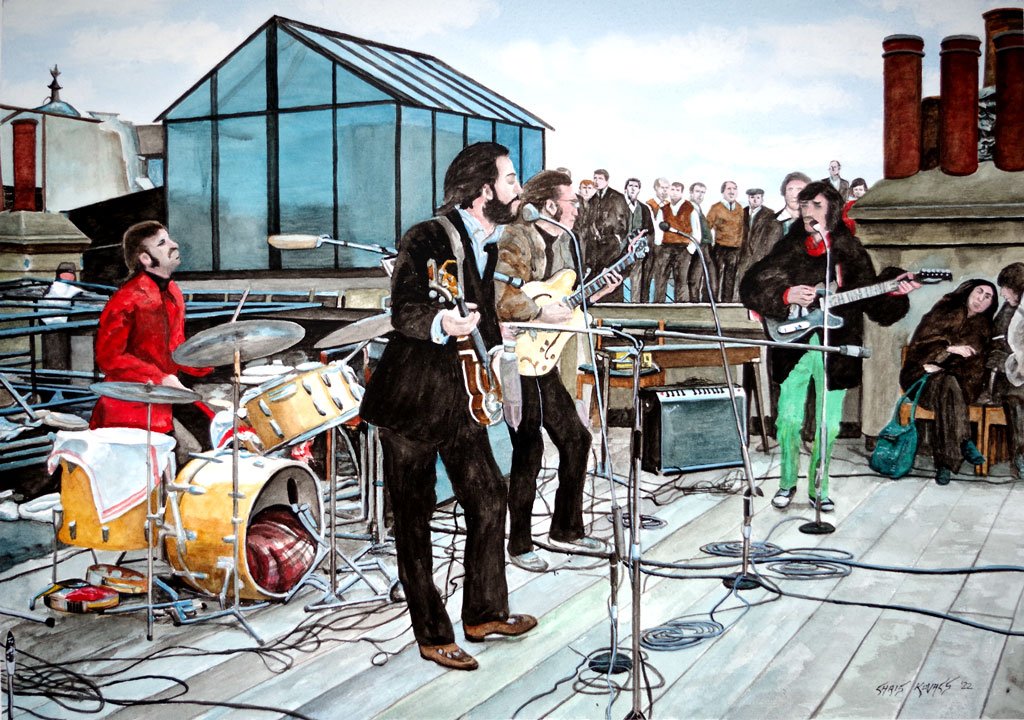
For more than 60 years, fans and historians have endlessly debated The Beatles—their status, influence, artistic value, and even which member was the greatest. Notably, these viewpoints have never been fixed; they shift with time.
Will the return of The Beatles Anthology and the upcoming biographical films directed by Sam Mendes spark a new wave of debate?
A Glorious Era
The early notion of The Beatles as “four lads who shook the world” has evolved repeatedly over the decades. They have been praised and dismissed, mythologized and misunderstood, even briefly forgotten.
The newly released edition of The Beatles Anthology—issued late last month on CD, vinyl, and streaming—once again proves the band’s enduring appeal. At the same time, the constant reshaping of their story reveals just how much audience tastes continue to change.
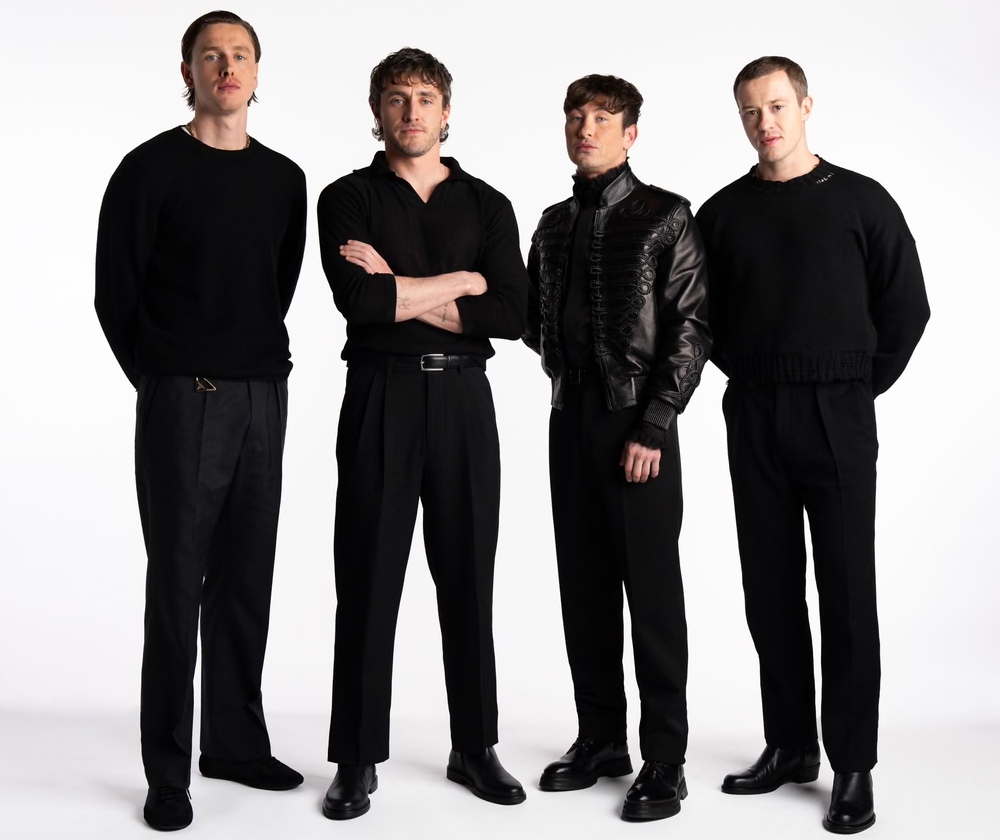
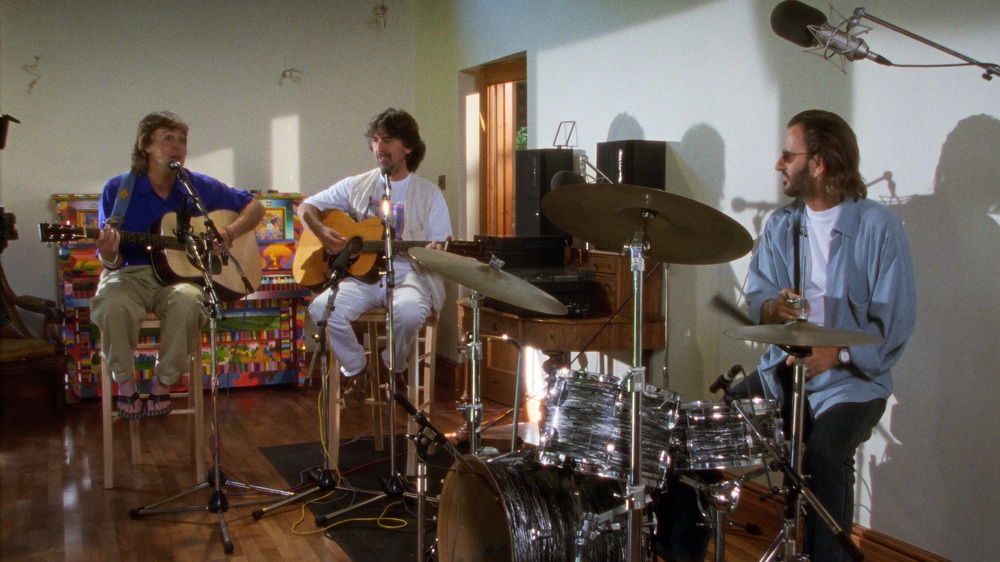
The 2025 edition is a comprehensive reappraisal of the original 1990s project. Most notably, it adds a ninth episode to the original television series, built from recently rediscovered footage showing Paul McCartney, George Harrison, and Ringo Starr working together between 1994 and 1995.
More intimate than the original TV version, the new episode presents the surviving Beatles not as cultural monuments, but as old friends—rehearsing, reflecting, and simply spending time together. They collaborate on Free As A Bird and Now And Then, joke about a possible reunion tour, and speak candidly about history, loss, and unfinished musical ideas.
This rare, humane ending raises a question: with such fresh material, has the world finally reached a consensus on The Beatles?
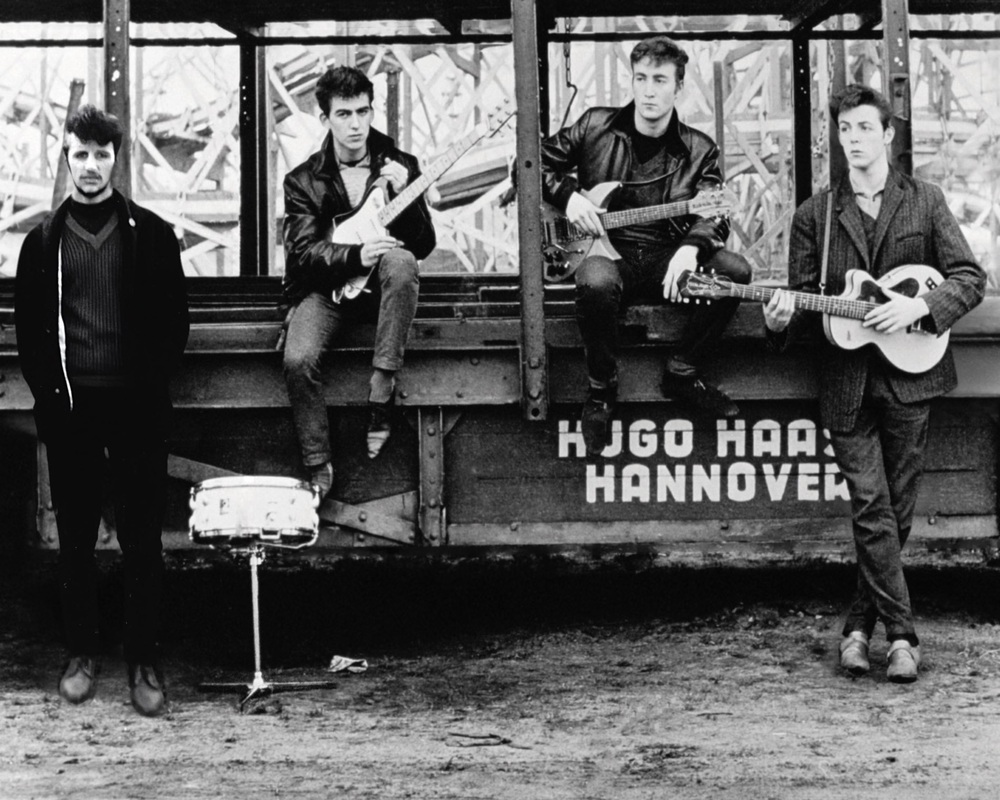
There are an estimated 2,000 books about the band—ranging from blind idolization to furious exposés, even volumes devoted to their hair and shoes. Broadly, these narratives fall into four chapters.
The first, dominant during the band’s active years, portrayed the “Fab Four” as youthful, joyful, and powered by collective energy. Hunter Davies’ The Beatles: The Authorised Biography (1968) exemplifies this approach, favoring concrete detail over romantic myth.
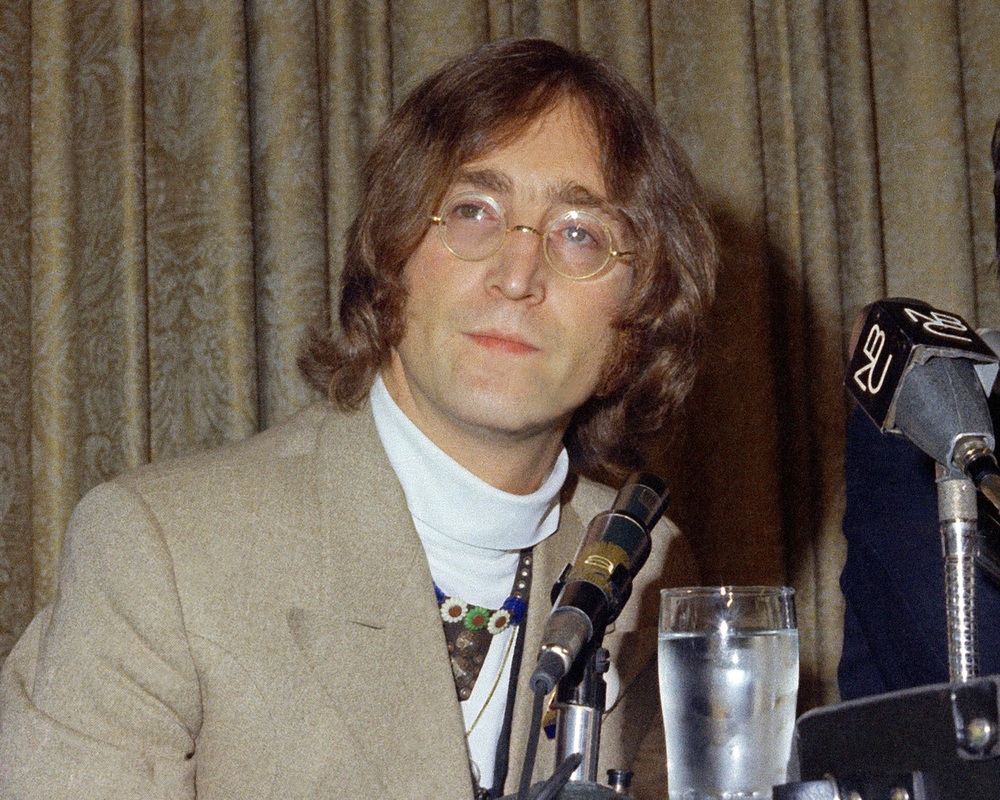
The second chapter, “Lennon Remembers,” emerged after a 1971 Rolling Stone interview and book edited by Jann Wenner. Conducted just weeks after the breakup, John Lennon—raw and bitter—lashed out at bandmates and collaborators, later admitting he had been “out of his mind.”
This gave rise to the third chapter, named after Philip Norman’s 1981 biography Shout! It portrayed Lennon as a saintly rebel, McCartney as a diligent but shallow craftsman, and reduced Harrison and Starr to supporting roles—an interpretation McCartney famously dismissed as “rubbish.”
Constant Reassessment
More recently comes the “Lewisohn” era. Mark Lewisohn, widely regarded as the leading Beatles scholar, approaches the subject with forensic objectivity and deep archival research. His multi-volume biography All These Years seeks accuracy while firsthand witnesses remain.
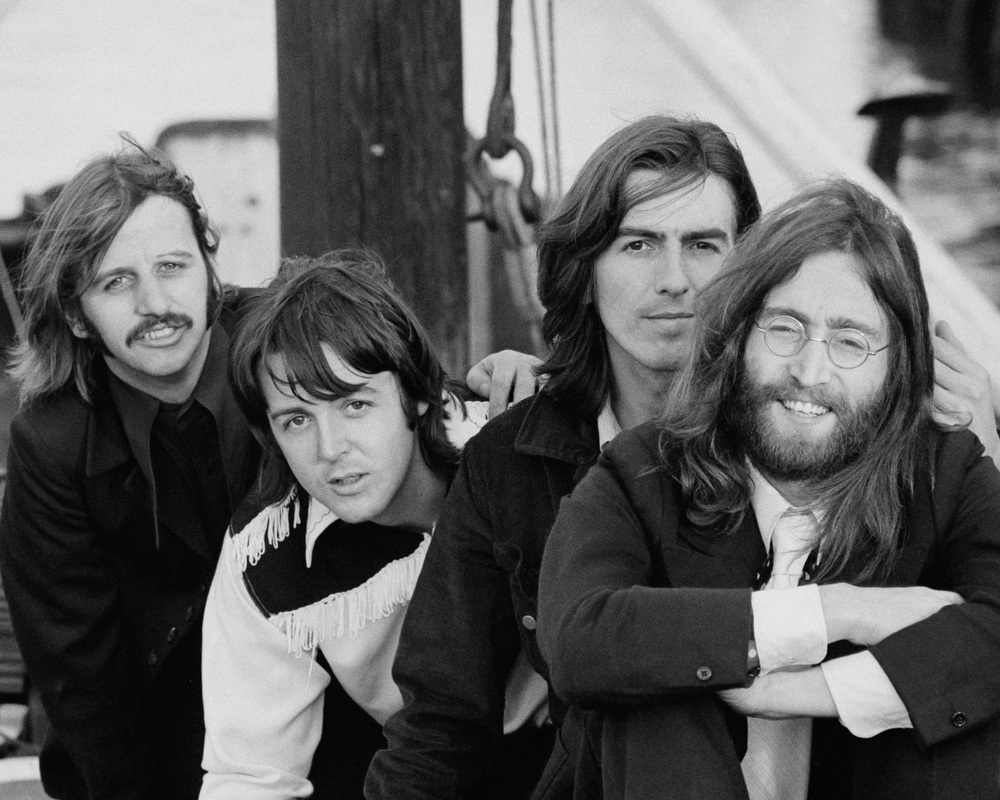
Lewisohn argues that Lennon’s posthumous veneration lasted about 15 years, during which McCartney was unfairly diminished. Punk later pushed Beatles music into the shadows—before opinion shifted once again.
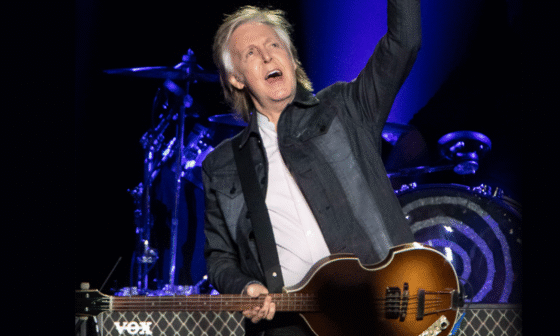
“If you stopped eight people on the street today and asked them to name a Beatle,” Lewisohn says, “they’d likely say Paul McCartney—because he’s still present and active.”
In recent years, new academic voices have expanded the conversation, examining gender, race, and global cultural exchange. Documentaries like The Beatles and India (2021) explore how both the band and world culture transformed one another.
The story of The Beatles, then, shows no sign of slowing. Waves of admiration, scrutiny, and scholarship continue to rise—underscoring, once again, the band’s enduring greatness.