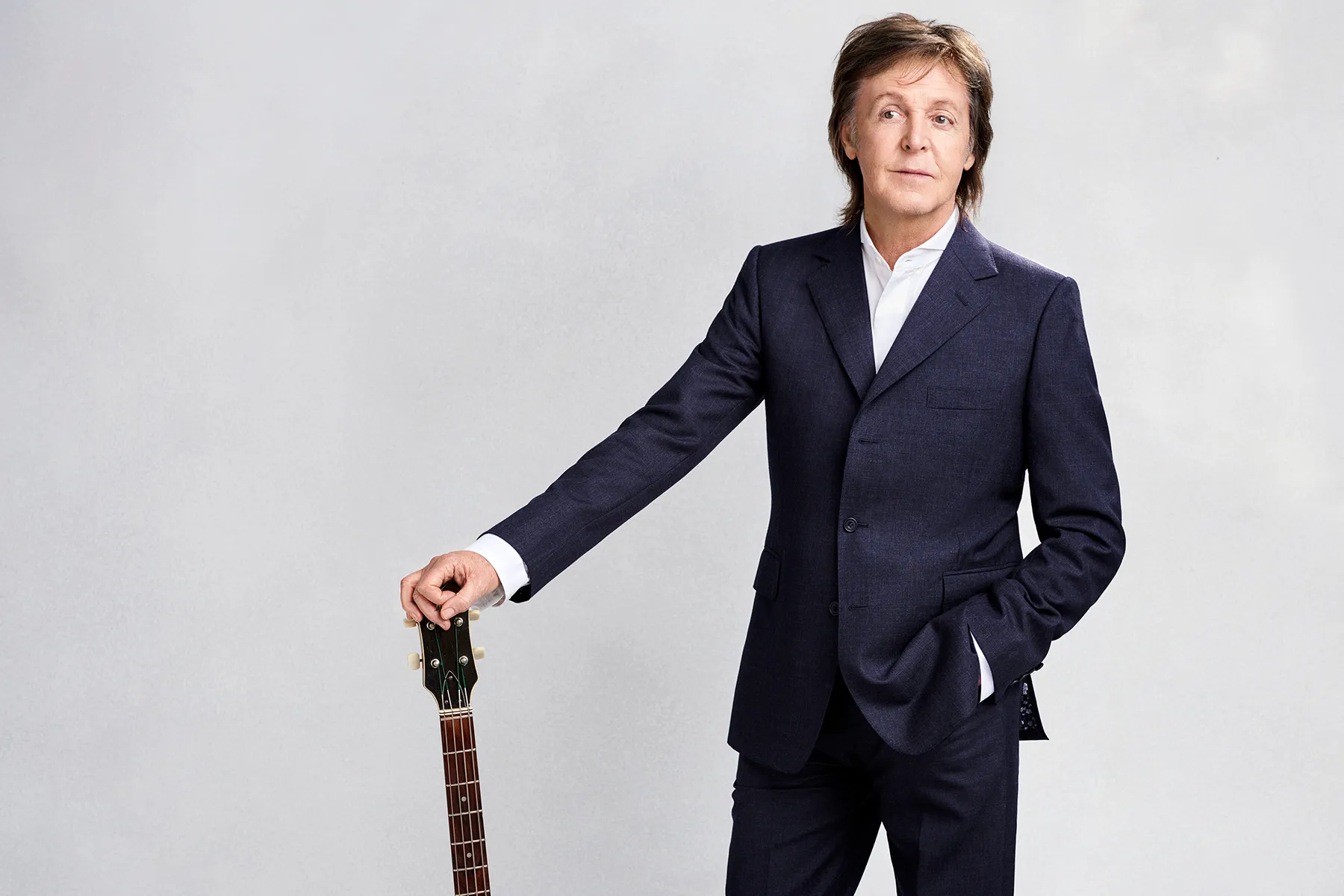
When The Beatles officially came to an end in 1969, it marked more than just the breakup of a band—it was the closing chapter of a cultural phenomenon that had defined an entire generation. At the center of that storm was Paul McCartney, a musician who had spent years at the height of global fame, only to suddenly find himself facing an uncertain future.
For many artists, the logical next step after such success would be to immediately chase a solo career, to stay in the spotlight and build on the momentum. But McCartney’s path took a very different turn.

In the aftermath of the breakup, he struggled deeply. The end of the band wasn’t just professional—it was personal. The creative partnership, the shared journey, the identity tied to being a Beatle—all of it was gone. McCartney withdrew from public life and retreated to a remote farm in Scotland with his wife, Linda McCartney.
There, far from screaming fans and flashing cameras, life slowed down in ways that few could have expected. Instead of recording in world-class studios or performing in packed arenas, McCartney found himself immersed in the routines of everyday life. He helped raise his children, took part in farm work, and embraced a lifestyle that was grounded and simple.
It wasn’t a glamorous chapter, but it was a necessary one.
Those close to him have often described this period as a turning point. Stripped of the pressures of fame, McCartney was able to reconnect with himself—not as a global icon, but as a husband and father. The stability and support he found during this time played a crucial role in helping him recover from the emotional toll of the breakup.
Eventually, music found its way back into his life. But even then, he didn’t return in the way people might have expected. Instead of diving back into a solo career defined by distance and spectacle, he formed Wings—a band that, in many ways, reflected his new priorities.
What made Wings different wasn’t just the music—it was the way McCartney chose to live while creating it. He brought his family along on tour, blending the worlds of work and home in a way that was almost unheard of at the time. His children weren’t kept on the sidelines of his career; they were part of the journey.
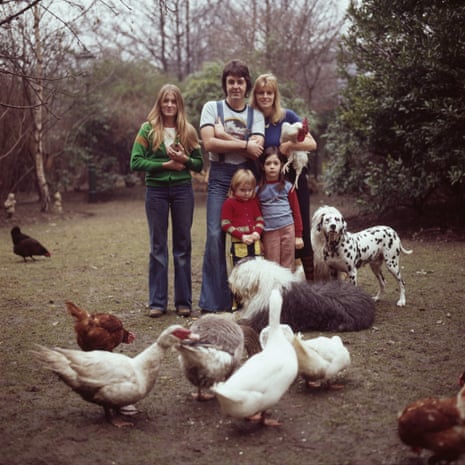
This decision, though quiet and deeply personal, is what continues to resonate with fans today.
In an industry often defined by distance, excess, and constant movement, McCartney chose presence. He chose to be there for his children, to shape their upbringing not from afar, but from within their daily lives. It wasn’t the expected path for someone of his stature, and perhaps that’s why it stands out even more now.

Looking back, it becomes clear that this chapter wasn’t just about stepping away—it was about redefining what success meant. For McCartney, it wasn’t only about chart-topping hits or sold-out shows. It was about building a life that felt whole.
And in doing so, he showed that sometimes the most powerful choices aren’t the loudest ones—but the quiet decisions that shape everything that follows.