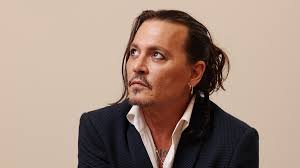
Hollywood loves a comeback — but it loves a controversy even more.
When news broke that Johnny Depp would return to the screen as Ebenezer Scrooge, it didn’t just spark curiosity. It detonated a cultural fault line that had been quietly widening for years. Within hours, the reactions split cleanly down the middle: admiration on one side, outrage on the other, and very little ground in between.
This wasn’t just about A Christmas Carol.
And it certainly wasn’t just about casting.
It was about what Johnny Depp represents now — and who gets to decide whether redemption is possible.
A Role Built on Darkness, Isolation, and Transformation
Ebenezer Scrooge is not a safe choice.
He is bitter, withdrawn, haunted by memory, and slowly forced to confront the wreckage of his own life. He begins the story alone — mistrusted, mocked, and written off — before facing a reckoning that demands accountability, humility, and change.
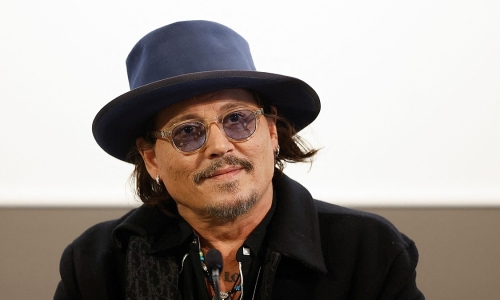
To Depp’s supporters, the casting feels eerily perfect.
They argue that no actor alive understands public exile, scrutiny, or the weight of judgment quite like Depp. That his Scrooge won’t be theatrical or cartoonish, but lived-in — shaped by years spent under a microscope.
“This isn’t Johnny Depp playing Scrooge,” one supporter wrote online.
“This is Scrooge choosing Johnny Depp.”
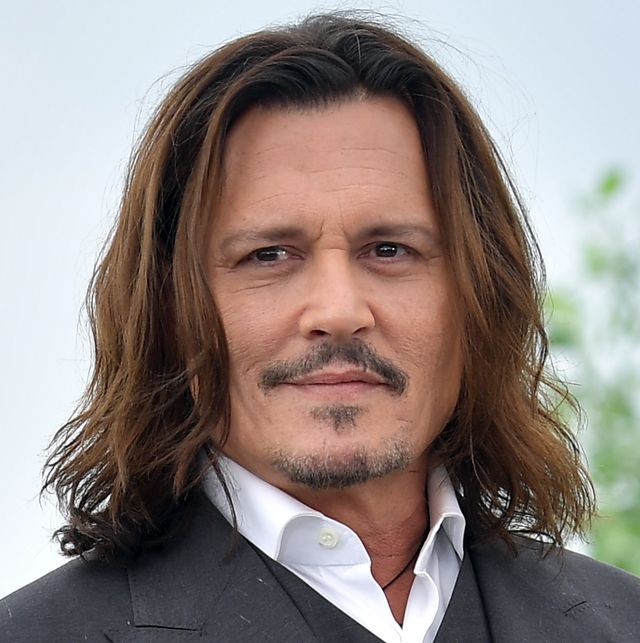
But the backlash was immediate.
Some critics called the decision provocative to the point of irresponsibility, arguing that the role risks reframing Dickens’ moral tale as a metaphor for Depp’s own public battles. Others accused the studio of deliberately courting outrage, using controversy as marketing.
A prominent critic labeled the casting “a distraction masquerading as depth,” while others warned that audiences would be unable to separate the character from the actor — turning a classic story into a referendum on Depp himself.
And that word — referendum — stuck.
Because suddenly, the conversation wasn’t about performance, script, or direction.
It was about whether Johnny Depp deserves this stage at all.


