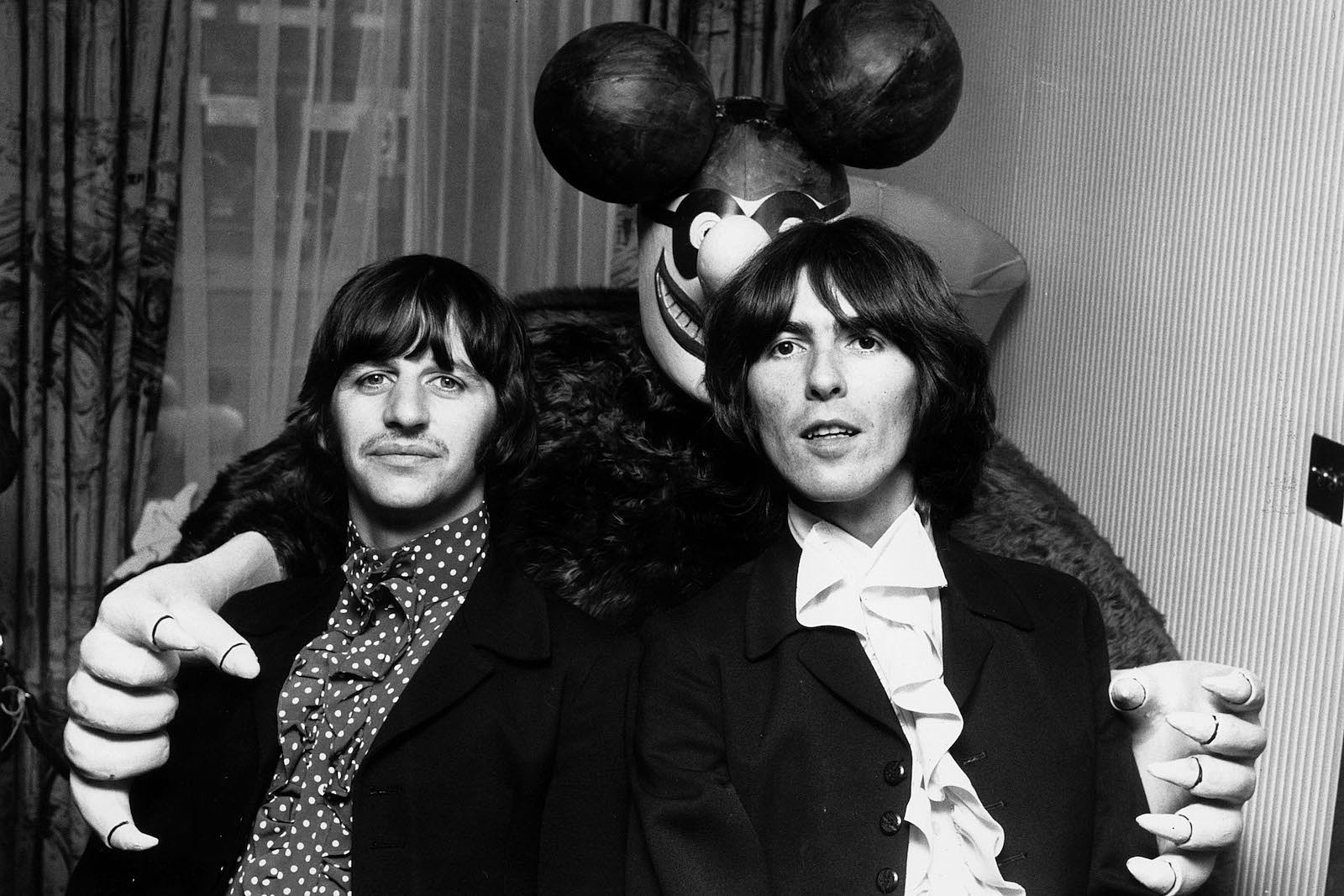
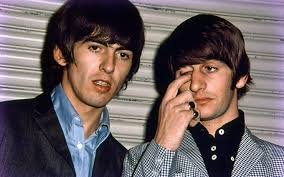
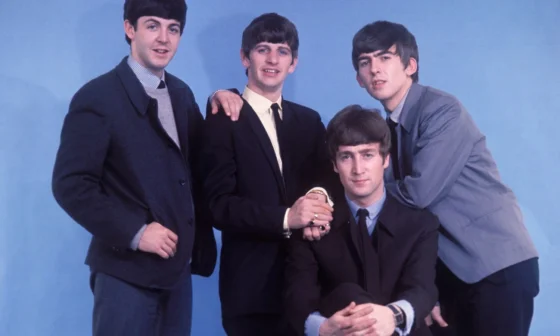
By the time George Harrison entered his final days in 2001, the world already knew him as a legend—a songwriter, a spiritual seeker, and a defining voice of The Beatles. But for those closest to him, especially Ringo Starr, he was something far more personal: a lifelong friend, a bandmate, and, in many ways, a brother.
Their bond stretched back to the early days of Beatlemania, through years of fame, creative highs, personal struggles, and the eventual breakup of the band. Like all relationships that last decades, theirs had its ups and downs. But time had a way of softening the edges, leaving behind a deep, enduring connection.
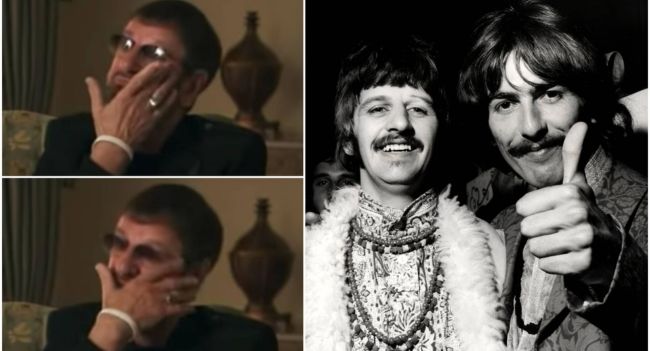
In late 2001, as George’s health declined due to cancer, Ringo made the journey to Switzerland to see him. It wasn’t an easy decision. At the same time, his own daughter was in Boston undergoing treatment for a serious brain tumor. The weight of being in two places at once—wanting to support his family while saying goodbye to an old friend—was something few people could fully understand.
Still, he went.
When the two finally sat together, the moment wasn’t about fame or legacy. It was about memory. They talked, reflected, and simply shared space—something they had done countless times before, but now under very different circumstances. There was an understanding between them that this might be the last time.
Eventually, reality intervened. Ringo had to leave, needing to return to his daughter. It was a painful choice, but one he couldn’t avoid.
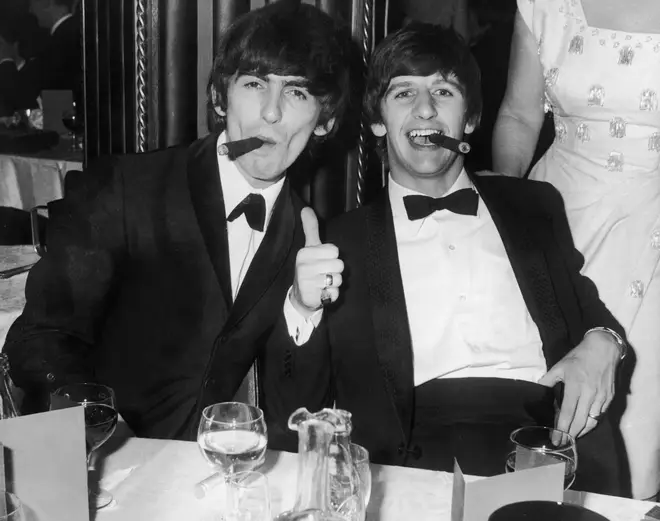
As he prepared to go, George, already weak and nearing the end, looked at him and asked a question that would stay with Ringo—and with those who later heard the story—forever.
“Do you want me to come with you?”
It was a simple sentence, but layered with meaning. On the surface, it sounded almost gentle, even casual. But given the moment, it carried something deeper—an expression of love, loyalty, and perhaps even a quiet attempt to comfort his friend as they faced separate hardships.
Ringo later recalled the moment with emotion, reflecting on how that line captured George’s character: thoughtful, compassionate, and still concerned about others, even in his final days.
There’s something profoundly human in that exchange. It wasn’t dramatic or grand. There were no speeches, no final declarations meant for history. Just a question—softly spoken—that held decades of friendship within it.
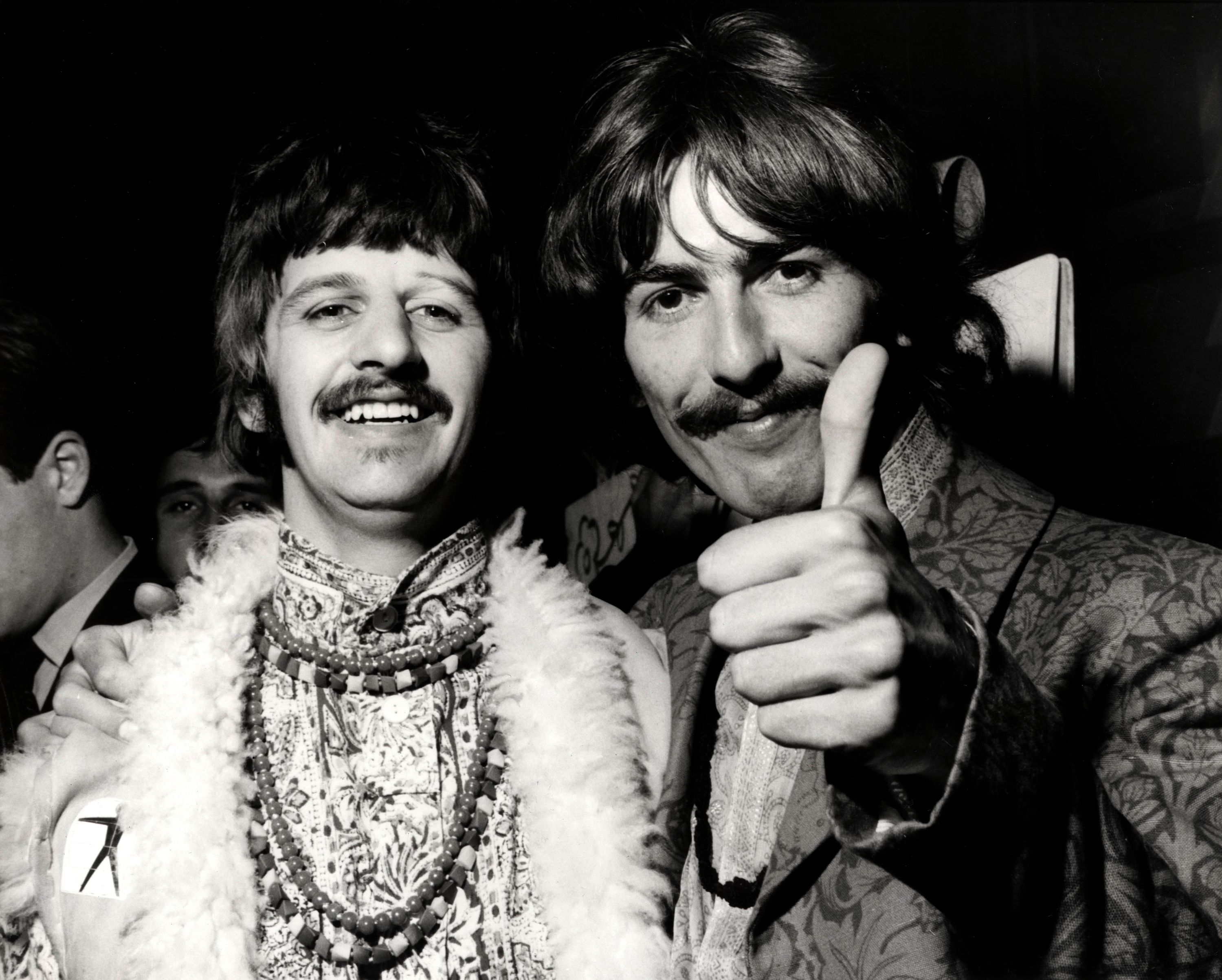
For fans, stories like this reshape how we see icons like George Harrison. They remind us that behind the music and mythology are real relationships, filled with the same complexities, care, and unspoken understanding that exist in any close bond.
George passed away not long after that moment. But the words he left behind continue to resonate—not because they were meant to, but because of what they reveal.
In the end, even as he faced his own mortality, he was still thinking about someone else.
And sometimes, it’s those quiet, almost fragile moments that say the most.