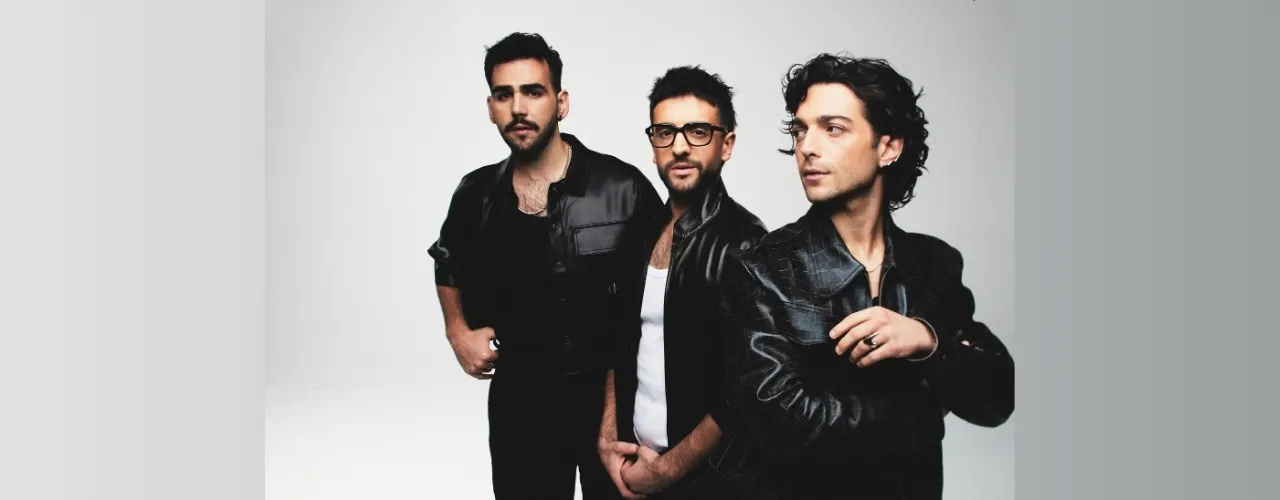
Live performances are built on connection—the delicate, often unspoken bond between artist and audience. But every so often, that connection is tested. During a recent concert in Rome, Il Volo faced exactly that kind of moment—and responded in a way that left a lasting impression.
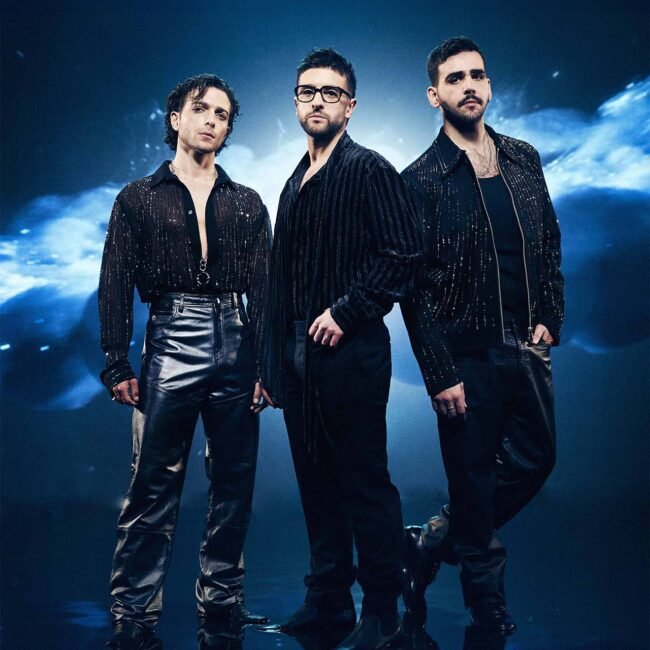
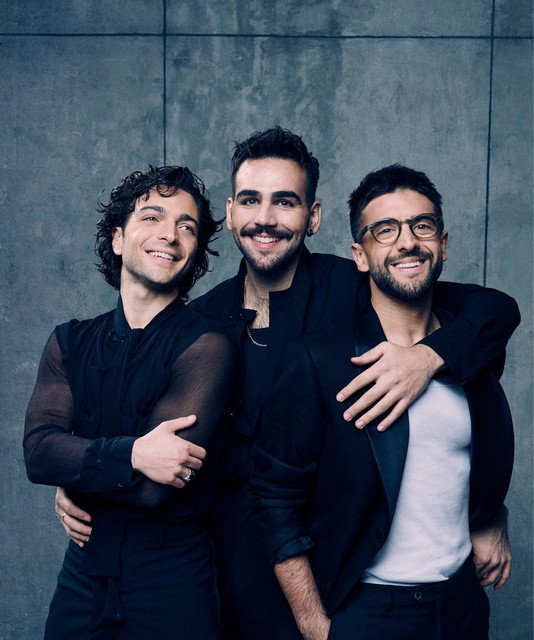
Known for their powerful blend of operatic and pop influences, the trio—Piero Barone, Ignazio Boschetto, and Gianluca Ginoble—have spent years refining not just their sound, but their presence on stage. Their performances are typically defined by precision, emotion, and a deep sense of unity.
That unity, however, was briefly challenged.
Midway through the show, a cluster of disruptive chants began to rise from the crowd. At first, it was a minor distraction, but it quickly grew loud enough to shift the atmosphere in the venue. For a moment, it seemed the performance might be interrupted entirely.
All eyes turned to the stage.
Artists in that situation often face a difficult choice: address the disruption directly, pause the show, or attempt to push through it. Il Volo chose a different path—one that aligned closely with who they are as performers.
They didn’t speak.
Instead, they stepped back, exchanged a quiet glance, and began to sing.
It started simply. One voice—clear, controlled, and unmistakable—rose above the noise. Then came the second, and the third, each layer adding depth and resonance. Their harmonies, a signature of their sound, didn’t just fill the space—they reshaped it.
Something shifted.
The audience began to respond—not with words, but with attention. People stood, drawn back into the performance. Voices joined in, not in chaos, but in rhythm. What had moments earlier felt fragmented began to come together.
The chants didn’t stop all at once. They faded.
Replaced by something stronger.
Across the venue, phone lights flickered on, casting a soft glow over the crowd. Flags moved gently in the air. Faces that had shown distraction now reflected emotion—some quiet, some visible. It was no longer about interruption. It was about connection restored.
What made the moment powerful wasn’t volume or spectacle. It was restraint.
Il Volo didn’t attempt to overpower the situation through force or confrontation. They relied on the one thing that has always defined them: their voices. And in doing so, they demonstrated something that often gets overlooked in live music—the ability of sound, when shared, to bring people back into alignment.
For longtime fans, the moment felt consistent with the trio’s identity. Their music has always carried a sense of cohesion, blending three distinct voices into a single, unified expression. That night, they extended that idea beyond the stage, inviting the audience to become part of that unity.
By the time the song reached its peak, the earlier disruption had all but disappeared. What remained was a collective experience—thousands of individuals connected through a single performance.
In a world where public moments can easily become divided, this one moved in the opposite direction. It didn’t ignore the disruption, nor did it confront it directly. Instead, it transformed it.
And as the final notes settled into the Roman night, the message was clear: sometimes, the most powerful way to respond isn’t to speak louder—
but to sing together.