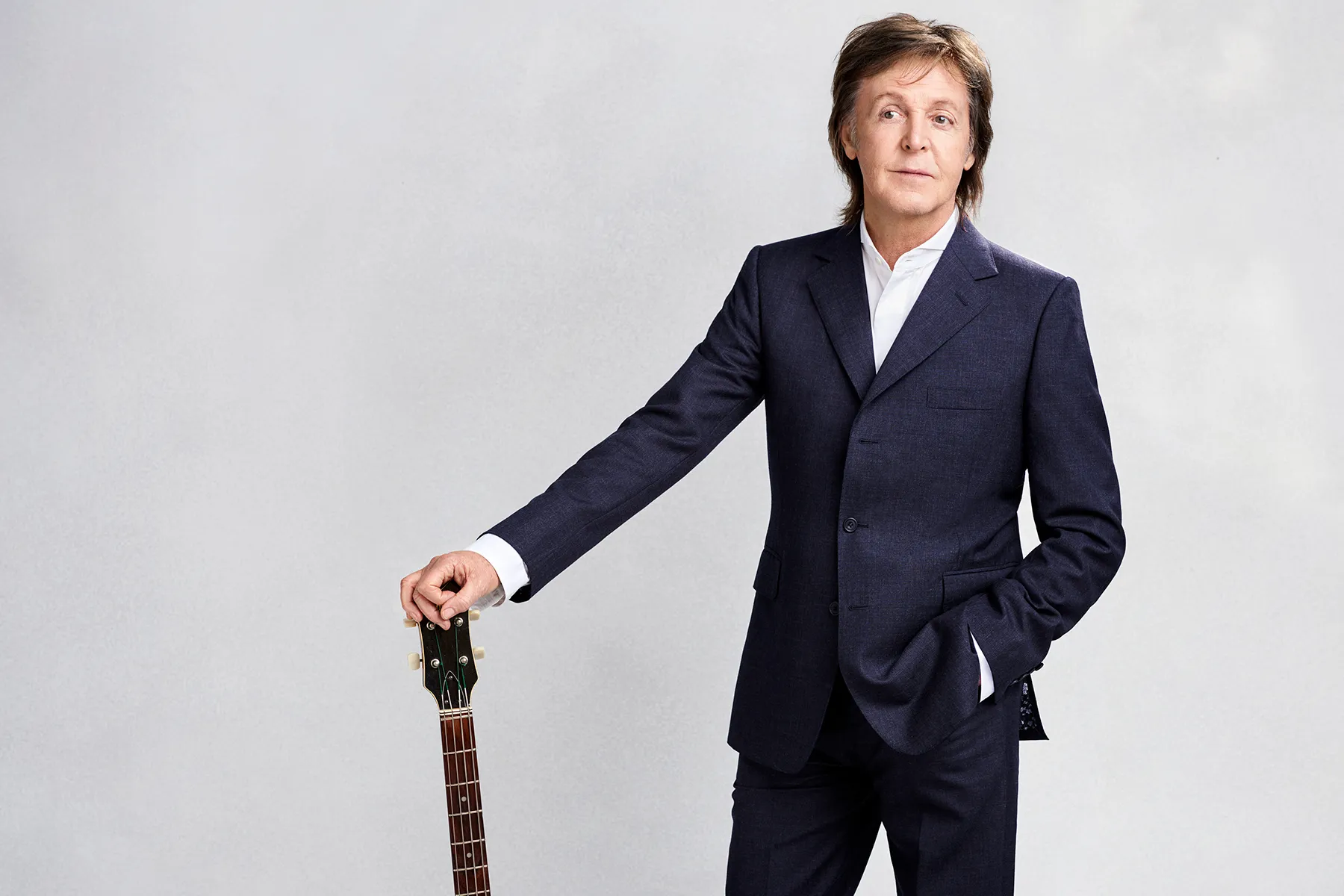
There are songs that entertain, and then there are songs that carry history within them. For Paul McCartney, “Here Today” has always belonged to the latter—a quiet, deeply personal tribute to John Lennon, written in the aftermath of loss and everything left unsaid.
He first released the song in 1982, just two years after Lennon’s death in 1980. Framed as an imagined conversation, “Here Today” gave McCartney a way to speak the words he never had the chance to say. Over the decades, it became a staple of his live performances—delicate, reflective, and often one of the most intimate moments in a stadium filled with thousands.
But during a recent performance, something shifted.
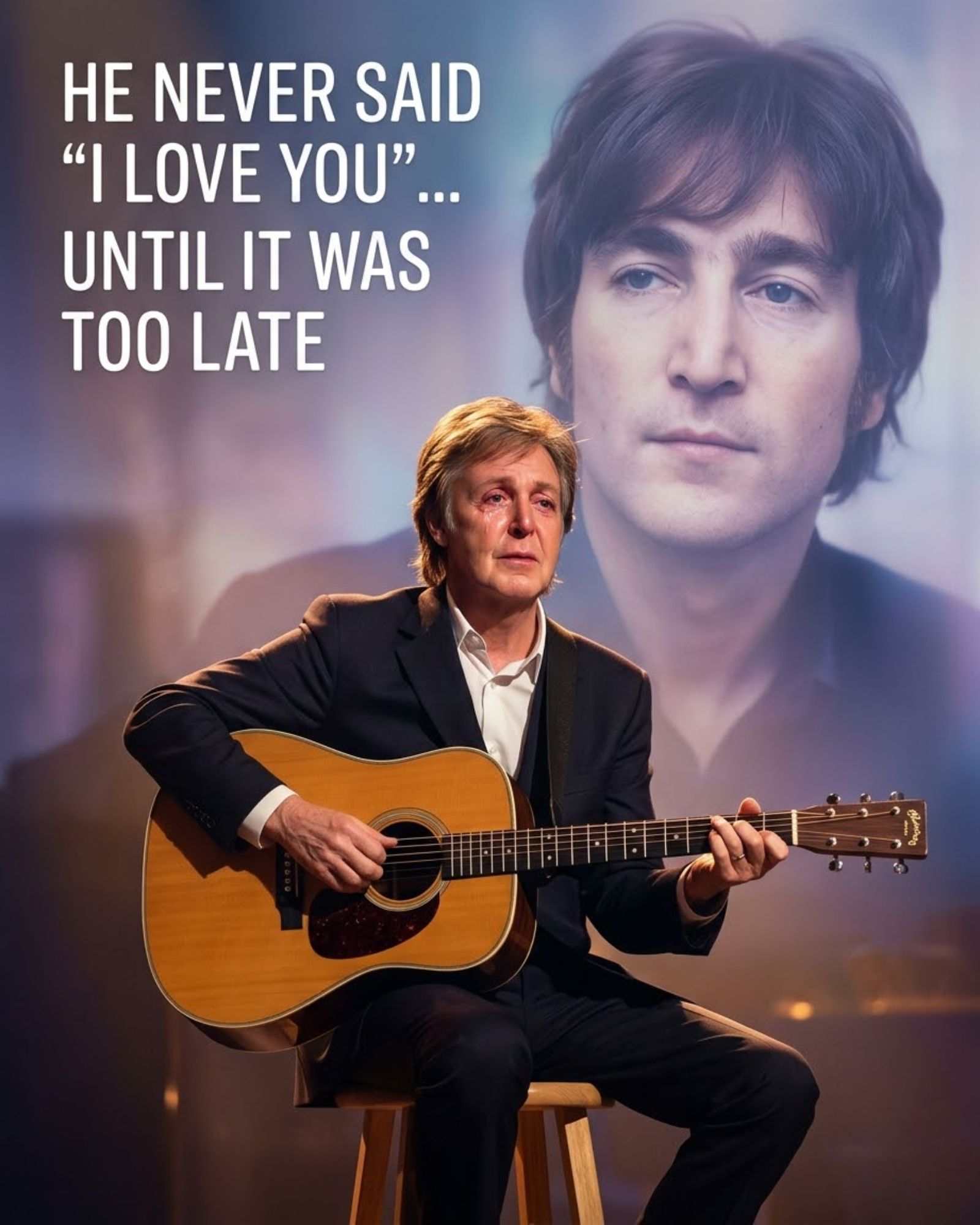
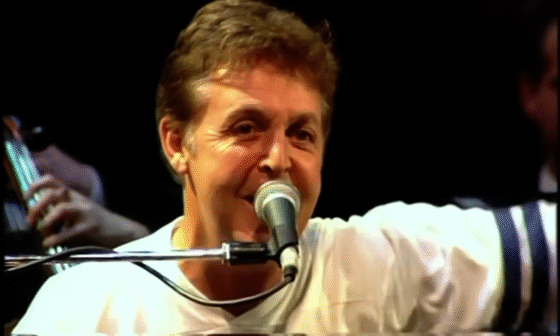
Now 83, McCartney has sung the song hundreds of times. The structure is familiar, the emotion well understood. Yet on this particular night, as he moved through the second verse, he stopped. The music didn’t end, but the moment changed.
Looking out at the crowd, he spoke plainly. No theatrics, no buildup—just honesty. He admitted that in all the years he knew Lennon, he never once told him he loved him. Not directly. Not out loud. It wasn’t how they expressed themselves back then.
For a figure as globally recognized as McCartney, the admission felt disarmingly human. It cut through decades of mythology surrounding The Beatles and revealed something simpler: two friends who shared a bond, but also the limitations of their time and upbringing.
As he tried to continue, his voice faltered.
The final lines of “Here Today” are some of its most powerful, built on vulnerability and reflection. But this time, they wouldn’t come. McCartney held his guitar, the silence stretching in a way that felt almost as meaningful as the music itself.
Then something remarkable happened.
The audience—tens of thousands strong—began to sing. Not loudly at first, but gently, as if understanding the weight of the moment. What had started as a personal tribute transformed into something collective. The crowd didn’t replace McCartney; they supported him, carrying the song forward when he couldn’t.
It was a rare kind of connection, one that blurred the line between performer and listener. In that shared space, the song became more than a tribute from one man to another. It became a reflection on love, regret, and the things people often leave unsaid.
Moments like this are difficult to plan, and impossible to recreate. They happen when memory and emotion collide in real time. For McCartney, “Here Today” has always been about looking back—about imagining a conversation that never happened. But on this night, it felt closer to the present than ever.
There’s something universally recognizable in his admission. Many people understand what it means to lose someone and wish they had said more. The specifics may differ, but the feeling remains the same. In that sense, McCartney’s moment on stage wasn’t just about Lennon—it was about everyone who has ever carried unspoken words.
As the song came to an end, it didn’t feel unfinished. If anything, it felt more complete than ever. Not because every line was sung, but because something real had been shared.
Some goodbyes take years to understand. Others never fully resolve. But every so often, even after decades, they find a way to be heard.