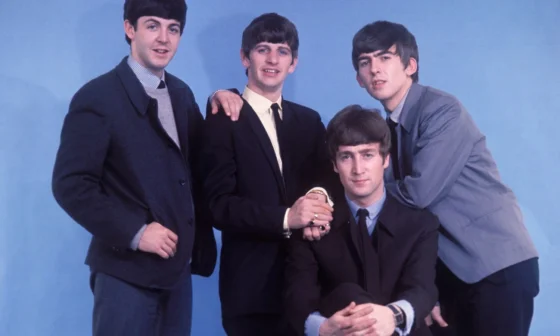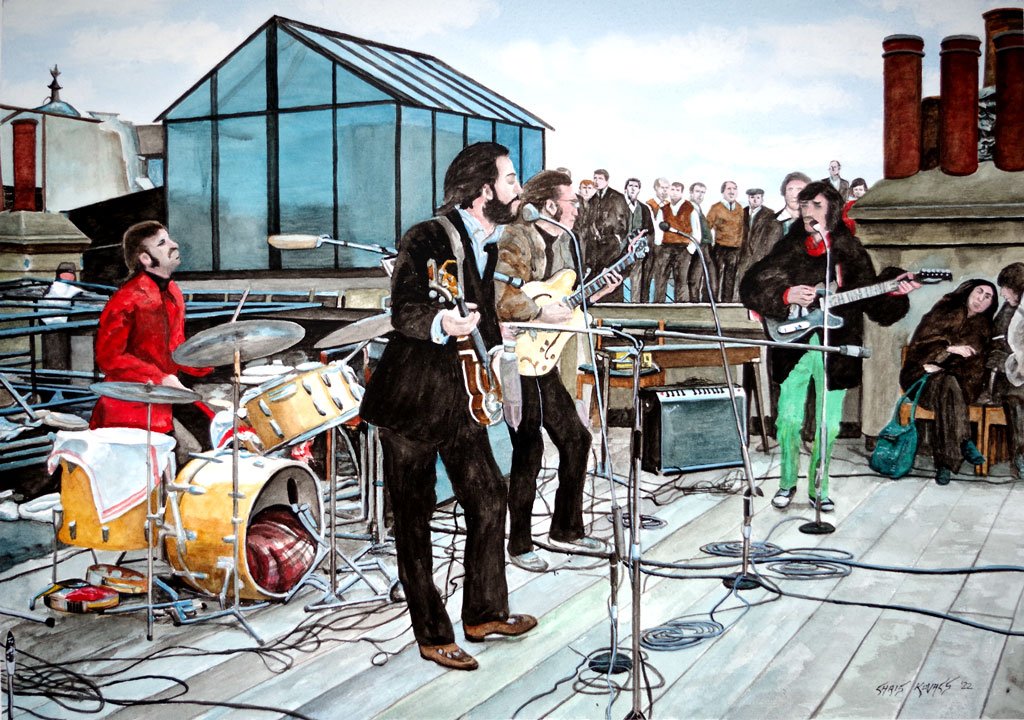
In an era where music cycles move faster than ever, the continued presence of The Beatles in everyday listening feels almost improbable. Entire genres rise and fall within a few years, yet recordings made in the 1960s continue to appear in streaming charts, film soundtracks, and personal playlists across generations. More than fifty years after their final sessions, the band’s music still feels remarkably current.
What makes this endurance unusual is how listeners approach the songs today. Few people press play on The Beatles purely as an act of nostalgia. Instead, the music tends to function in the present moment. When “In My Life” begins, the response is rarely historical curiosity. The song lands emotionally, connecting with listeners as something personal rather than archival.
The same immediacy appears in very different corners of their catalog. The opening bass line of “Come Together,” driven by Paul McCartney’s distinctive playing, still carries a groove that feels contemporary. Meanwhile, George Harrison’s “Something” remains one of the most direct and honest love songs ever written — understated, melodic, and emotionally transparent.

Part of this longevity lies in how the band approached songwriting. The Beatles were not built on spectacle alone. Their music rested on structure: strong melodies, clear emotional ideas, and arrangements that supported the song rather than overshadowed it. Even when stripped down to voice and guitar or piano, many of their compositions retain their power.
This craftsmanship gave the songs unusual durability. While some recordings from the same era feel locked inside the production styles of the 1960s, Beatles songs often transcend their original sonic environment. The melodic core remains recognizable and effective regardless of the decade in which it is heard.
Another factor is the band’s willingness to evolve. Over the course of a relatively short recording career, The Beatles moved through several distinct creative phases. Early pop songs gradually gave way to more complex arrangements and studio experimentation. Albums such as Rubber Soul, Revolver, and Sgt. Pepper’s Lonely Hearts Club Band expanded the possibilities of studio recording while still maintaining the group’s melodic identity.
This ability to experiment without abandoning accessibility proved crucial. The band explored new sounds, instruments, and recording techniques, but they rarely sacrificed the emotional clarity that made their music widely relatable.
In the modern streaming era, this balance continues to attract new listeners. Younger audiences often discover The Beatles not through historical documentaries or cultural education, but through algorithmic playlists that place their songs alongside contemporary artists. When the tracks appear, they do not sound out of place.

That seamless integration reveals something essential about their catalog: the songs are flexible enough to survive outside their original context. They do not require a listener to understand the cultural moment of the 1960s in order to appreciate them.
Paul McCartney has often suggested that the secret behind the band’s endurance lies in simplicity. A strong melody, he has said, can travel far beyond the circumstances in which it was written. The Beatles built their reputation on that principle, crafting songs that could resonate equally in quiet living rooms, crowded arenas, or headphones decades later.
In many ways, their music continues to operate less like a museum piece and more like a living repertoire. Fans return to the songs not because they belong to the past, but because they still articulate feelings that remain familiar.
That may explain why their recordings continue to circulate so easily through modern culture. While many artists define a particular era, The Beatles managed to create music that functions beyond one.
Their songs do not simply document a moment in time.
They move with it.