Linda Ronstadt – “When Will I Be Loved”: The Song That Exposed a Generation’s Heartbreak

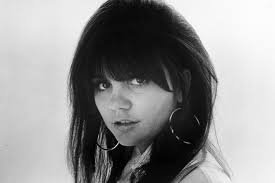
Linda Ronstadt

Introduction

When Linda Ronstadt sang “When Will I Be Loved,” she wasn’t just covering a pop hit—she was giving voice to a quiet emotional crisis shared by millions. Originally written by Phil Everly of The Everly Brothers, the song took on a far deeper, more vulnerable meaning when Ronstadt recorded it in 1974. In her hands, it became a bold confession of emotional exhaustion, longing, and self-respect.

At first glance, the song sounds upbeat, almost carefree. But beneath the infectious rhythm lies a question that cuts deep: When will love finally be real? Ronstadt’s voice—clear, powerful, and emotionally unguarded—transforms the lyrics into a personal plea. This is not the sound of a woman waiting patiently. This is the sound of someone who has been disappointed one too many times.

What made Ronstadt’s version so groundbreaking was her emotional honesty. In an era when female artists were often expected to sound sweet, compliant, or romantic at all costs, Ronstadt did something radical—she sounded tired of being lied to. She sang with strength, not bitterness; vulnerability, not weakness. Her performance made it clear that love should not require surrendering one’s dignity.

The song struck a nerve, especially among women in the 1970s who were navigating changing expectations about relationships, independence, and self-worth. Ronstadt didn’t beg for love—she demanded sincerity. That distinction helped propel “When Will I Be Loved” to the top of the charts and into the cultural bloodstream, where it still resonates today.

Live performances only amplified the song’s impact. On stage, Ronstadt delivered the song with confidence and emotional control, proving that heartbreak does not have to break you. Her voice soared, but it never sounded desperate. Instead, it carried a quiet warning: love that comes without respect is not love at all.

Decades later, the song feels eerily timeless. In an age of fleeting relationships and emotional uncertainty, Ronstadt’s question still lingers. How long should someone wait to be truly loved? And at what point does waiting turn into self-betrayal?

Linda Ronstadt didn’t offer answers—she offered truth. “When Will I Be Loved” remains powerful because it asks the question we’re often afraid to ask out loud. And in doing so, Ronstadt reminded the world that wanting real love is not a weakness—it’s a form of courage.

Video

0 Shares:
Leave a Reply

Your email address will not be published. Required fields are marked *

You May Also Like
KELLY HANSEN
Read More

“I Don’t Know How to Say Goodbye to Something That Saved My Life” — Kelly Hansen Takes His Final Bow With Foreigner After 20 Years of Rock N’ Roll Fire, Closing the Chapter With Tears, Gratitude, and One Last Explosive Singalong of “I Want to Know What Love Is” as the Crowd Roared Like a Storm, Turning the Hard Rock Live Stage Into a Cathedral of Pure Emotion and Electric Farewell.

Foreigner performed their final show with longtime vocalist Kelly Hansen on Saturday night, marking the end of his nearly 20-year run…
toby-keith
Read More

The microphone stand center stage was empty. A single red solo cup sat on the stool next to it. Jason Aldean walked out, but he didn’t pick up his guitar. He just stood there, looking at that empty spot. The opening chords of “Should’ve Been a Cowboy” began to play, but nobody sang. The crowd was confused for a heartbeat. Then, they understood. 50,000 people started singing. They took the verse. They took the chorus. They sang for the man who couldn’t be there. Jason didn’t sing a note. He just lifted that cup towards the sky. In the VIP section, grown men in cowboy hats were openly weeping. It wasn’t a concert anymore. It was a family reunion missing its loudest brother. That night, Nashville didn’t just hear the music. They felt the loss.

The microphone stand at center stage was empty. No guitar leaned against it. No voice tested the sound.…
Hank Marvin
Read More

Long before they became two of the most successful pop figures of the 1960s, Hank Marvin and Bruce Welch were just two ambitious kids growing up in Newcastle — dreaming bigger than anyone around them could imagine. No fame. No spotlight. Just a pair of guitars, a friendship forged in music, and a belief that their sound could take them further than the North East streets they started on. What happened next didn’t just shape their lives… It helped shape the future of British pop and rock. From local skiffle sessions to the bright lights of London, from unknown teenagers to core members of The Shadows, their journey became one of the most remarkable rises of the decade. With their unique sound and unmistakable style, they didn’t just support the era’s biggest acts — they became icons in their own right, inspiring generations of musicians who followed. And the most incredible part? It all started with two young lads who refused to let distance, doubt, or circumstance hold them back. The story behind how they got there — the decisions, the risks, the moment everything changed — is even more fascinating than most fans realize

Before they became one of the most influential instrumental groups of the 20th century…Before they helped define the…
GEORGE
Read More

When Budweiser quietly released its Super Bowl commercial two weeks early, the reaction wasn’t outrage, praise, or instant viral chaos. It was something far stranger: silence. No meme storms. No hot takes racing across timelines. No desperate attempts to explain it away. And that’s exactly what made advertising insiders pause. In an era where Super Bowl ads fight for attention with shock value and celebrity overload, this one didn’t beg to be noticed. It waited. The pacing was restrained. The message understated. Viewers didn’t rush to comment — they sat with it. Many rewatched it. That unusual restraint has led some to say the ad has already accomplished what most brands fail to do on Super Bowl night: it lingered.

Budweiser Drops Its 2026 Super Bowl Commercial 2 Weeks Early – See Why People Are Calling It “Another…
Mary Travis
Read More

Mary Travis refused to give up. When doctors urged that country legend Randy Travis be taken off life support, Mary stood her ground — determined to fight for her husband’s life. Her unwavering faith and strength became the turning point in a battle many thought was already lost. Fans now see Randy’s recovery and return to public life as nothing short of a miracle — one that may never have happened without Mary’s courage. So how did she make that impossible decision — and what does Randy say about it today? Full story inside

Mary Travis is the reason Randy Travis is still here, and it is not because the doctors gave…