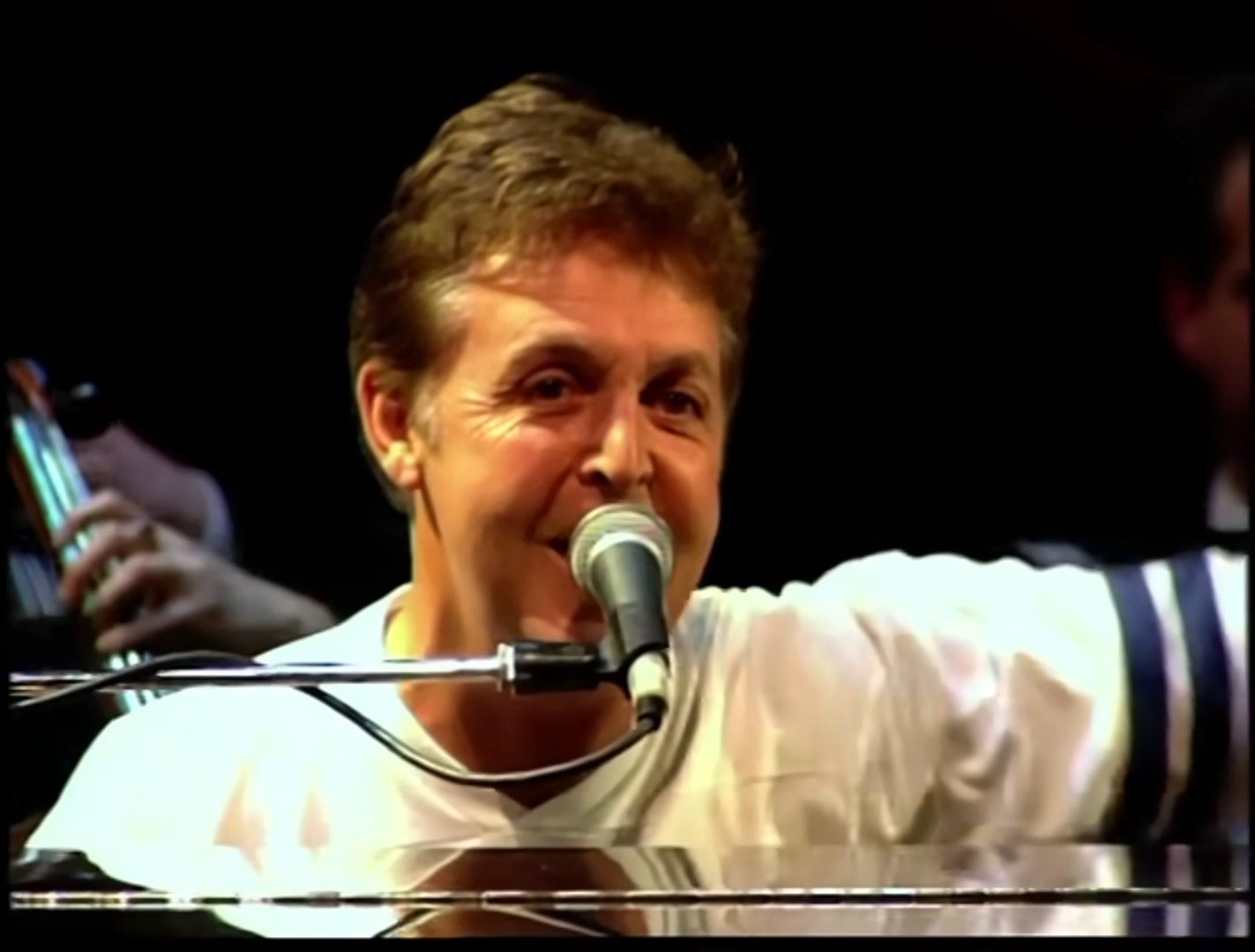
There are few artists whose music feels as woven into the fabric of everyday life as Paul McCartney’s. For decades, his songs have played in the background of history—soundtracking first dances, long drives, heartbreaks, and celebrations. Now, a new Netflix documentary, “Paul McCartney: Melodies of a Lifetime,” aims to bring audiences closer than ever to the man behind those moments.

The newly released trailer offers a glimpse into what promises to be a deeply personal and reflective film. Rather than simply revisiting familiar milestones, the documentary leans into the emotional core of McCartney’s journey. It moves fluidly between the roar of stadium crowds and the stillness of private reflection, capturing a life that has always existed somewhere between global fame and quiet creativity.
For many fans, McCartney’s story begins with The Beatles—a band that didn’t just redefine popular music but reshaped culture itself. The documentary doesn’t shy away from those legendary years, but it also resists the urge to linger only in nostalgia. Instead, it explores how those experiences shaped the artist McCartney would become long after the band’s final note.
What stands out most in the trailer is its tone. There’s no sense of spectacle for the sake of spectacle. Instead, the film appears grounded, almost meditative at times. Archival footage blends with present-day reflections, allowing viewers to see not just what McCartney achieved, but how those moments felt as they unfolded. There’s an emphasis on process—on the quiet act of writing, experimenting, and chasing a melody until it feels just right.
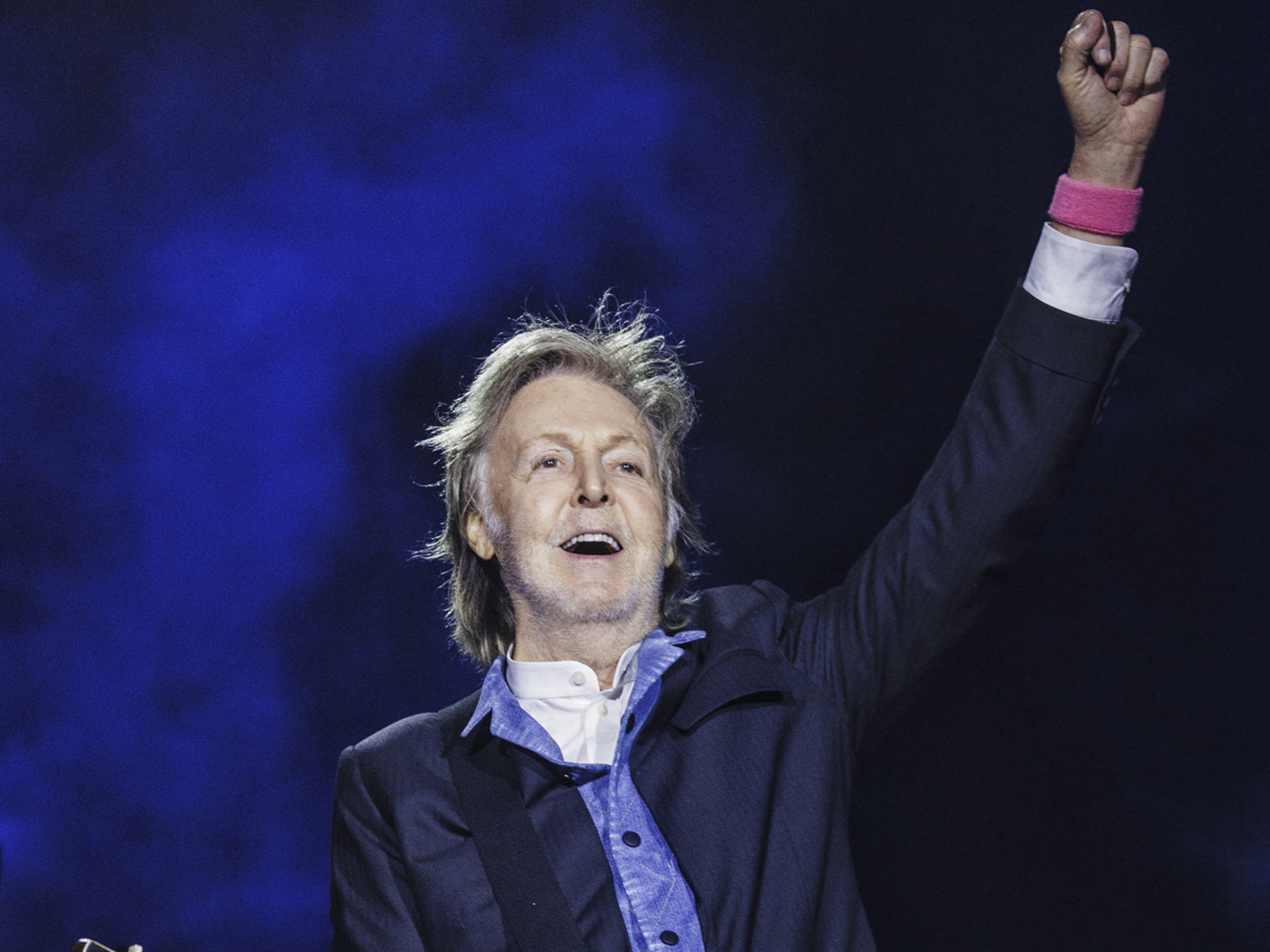
The documentary also hints at the personal cost and complexity of a life lived in the public eye. Fame, after all, is rarely as simple as it appears from a distance. Through candid interviews and unseen moments, the film seems poised to explore the emotional landscape behind the music—the doubts, the inspirations, and the resilience required to keep creating across decades.
One of the most striking lines in the trailer comes in its closing moments: “He didn’t just write melodies—he lived them.” It’s a sentiment that captures the essence of McCartney’s legacy. His songs don’t feel manufactured or distant; they feel lived-in, shaped by real experiences and genuine emotion. That authenticity is perhaps what has allowed his music to endure, continuing to resonate with new generations of listeners.
As anticipation builds for the film’s release, it’s clear that “Melodies of a Lifetime” is not just another retrospective. It’s an invitation—to listen more closely, to look more deeply, and to understand the life behind the music that has meant so much to so many.

For longtime fans, the documentary promises new insight into a familiar story. For newer audiences, it offers a chance to discover why Paul McCartney’s work continues to matter. Either way, it’s shaping up to be more than a film—it’s a reminder of the enduring power of music to connect, comfort, and inspire.