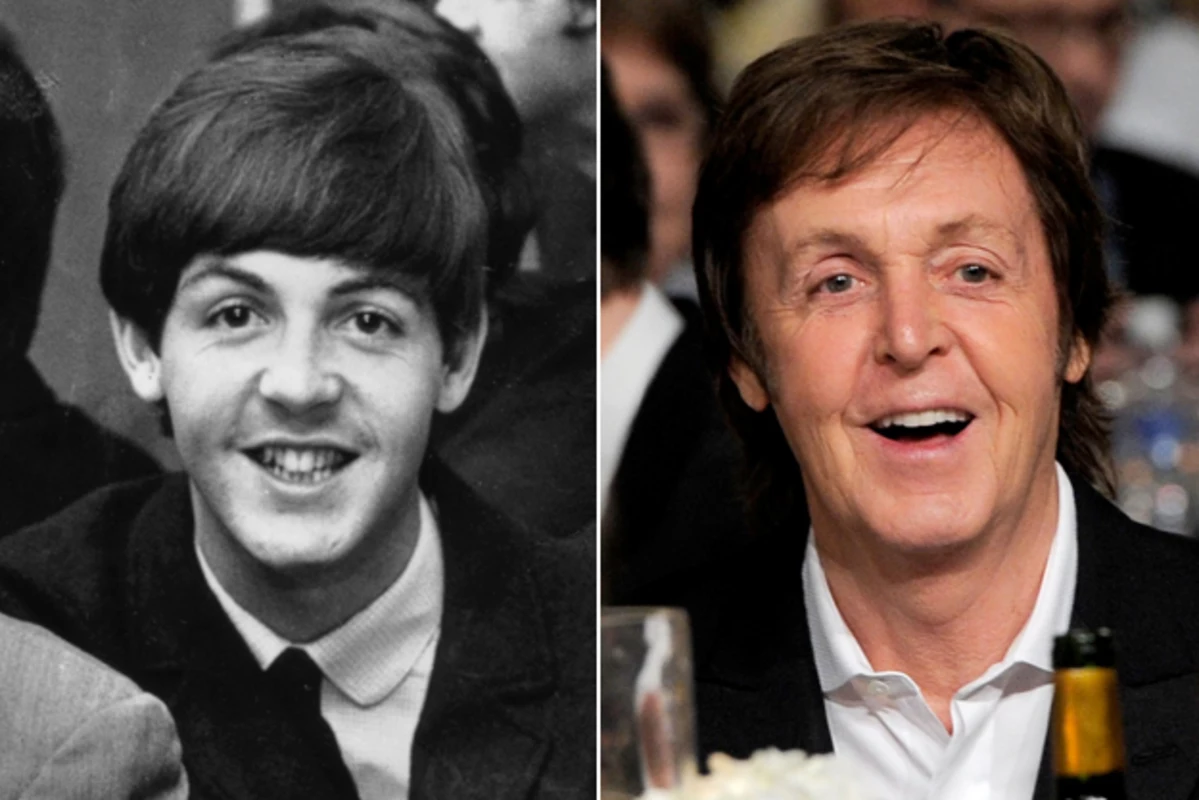
Television moments often come and go quickly, but every now and then a simple comment captures the attention of viewers far beyond the studio. That’s exactly what happened when Michael Strahan shared a thoughtful reflection about music legend Paul McCartney during a broadcast of FOX NFL Sunday.
The conversation began casually, but Strahan’s words quickly shifted the tone of the studio.

Looking toward the camera, the former NFL star and television host explained that McCartney’s place in music history goes far beyond his role in The Beatles. While the band’s influence is undeniable, Strahan suggested that McCartney’s ongoing career shows something even more remarkable: the ability to remain creatively relevant across generations.
For many viewers, the observation resonated immediately.
McCartney first rose to global fame in the 1960s as a songwriter and bassist for The Beatles, a group that reshaped modern popular music. Songs he co-wrote with John Lennon helped define an era, blending melody, storytelling, and musical experimentation in ways that continue to influence artists today.
But what struck Strahan most was not only that history—it was what came after.

Decades after the Beatles disbanded, McCartney continued writing, recording, and performing. Through projects like his band Wings and a long solo career, he remained an active creative force while many of his contemporaries stepped away from the spotlight.
Strahan emphasized that this kind of longevity is rare in any field, but especially in music.
Artists often struggle to maintain relevance as trends change and new generations of listeners emerge. Yet McCartney has managed to connect with audiences for more than sixty years, something few musicians have achieved.
Part of that connection, Strahan suggested, comes from authenticity.
Rather than relying solely on nostalgia, McCartney has continued exploring new ideas and collaborating with modern artists while still honoring the songwriting traditions that made him famous. Concert crowds today often include multiple generations—parents, grandparents, and young fans discovering the music for the first time.
That intergenerational reach is one reason his songs remain part of everyday culture.

Tracks like “Hey Jude,” “Let It Be,” and “Yesterday” are not only historic recordings but also songs that people continue to sing, stream, and reinterpret around the world. For many listeners, they serve as shared cultural touchstones.
After Strahan’s comments aired, fans quickly reacted online. Many praised the host for expressing what they felt had long been obvious: McCartney’s influence extends far beyond the era that first made him famous.
In the end, Strahan’s message was simple but meaningful.
True greatness, he suggested, isn’t just about fame or headlines. It’s about creating work that continues to inspire people long after the original moment has passed.
And in that sense, Paul McCartney’s legacy is still being written—one song, one performance, and one generation of listeners at a time. 🎶