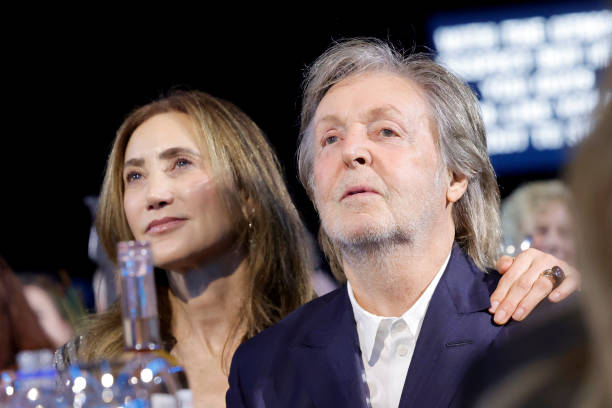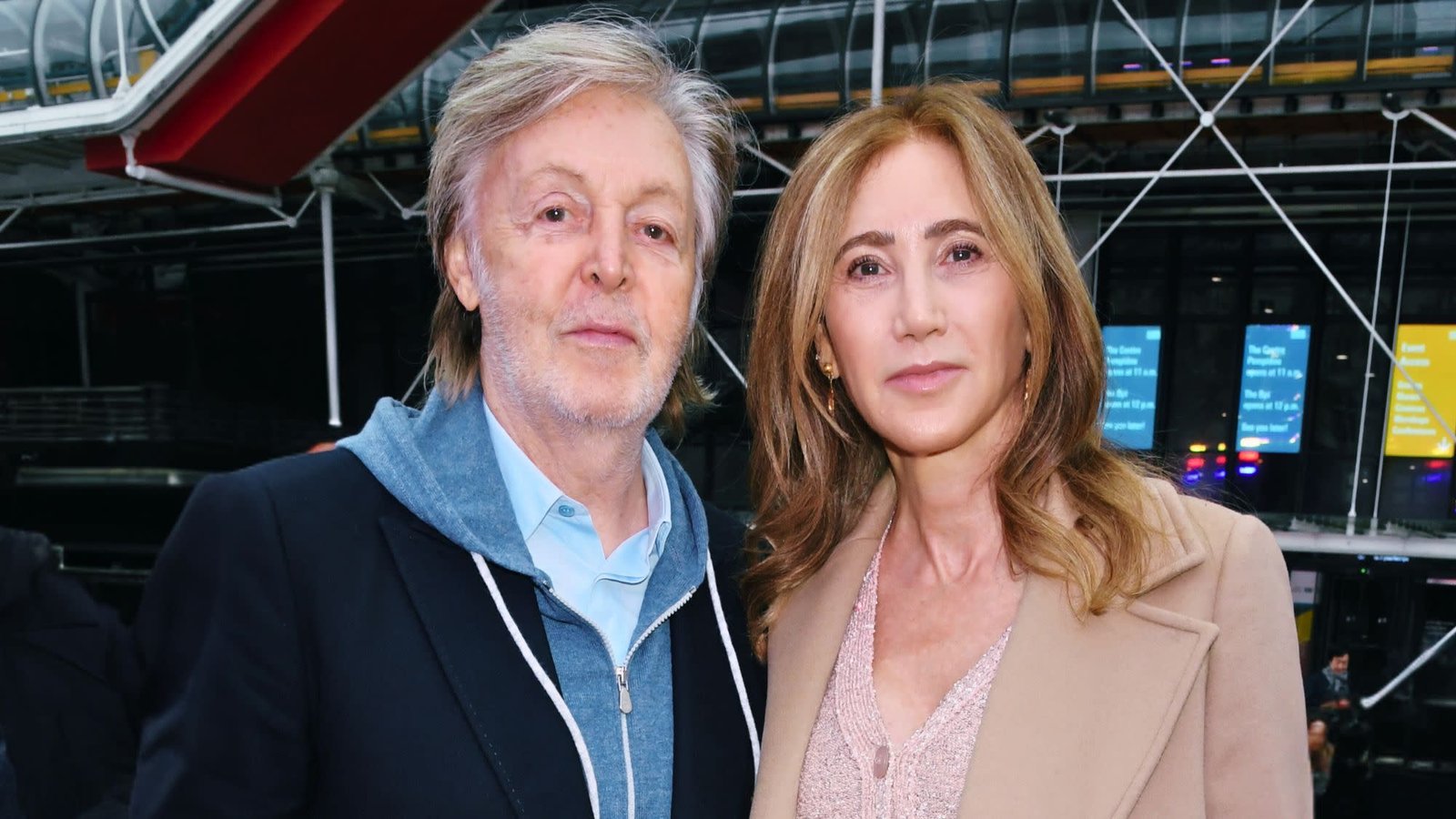
When Netflix releases a trailer centered on a legend like Paul McCartney, expectations tend to follow a familiar path. Viewers anticipate a polished tribute—highlights of an extraordinary career, iconic performances, and a sense of celebration built around decades of influence.
And at first, that’s exactly what this trailer seems to offer.

Familiar imagery, glimpses of history, and the unmistakable presence of a musician whose work with The Beatles helped reshape the sound of modern music. It opens in a way that feels comfortable, almost expected—like a retrospective honoring everything that has already been achieved.
But then, something shifts.
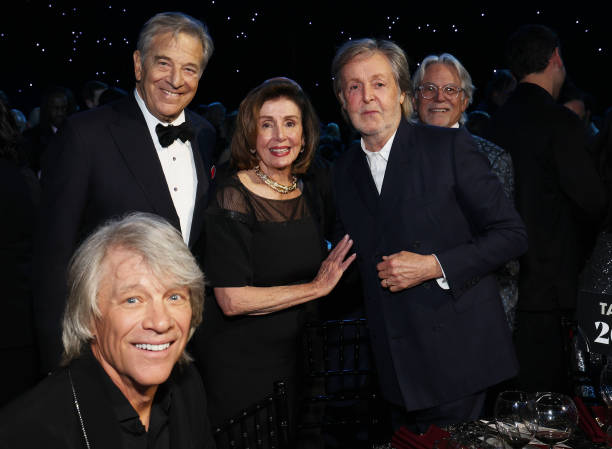
It’s not dramatic or abrupt. There’s no single moment where everything changes. Instead, the tone begins to evolve quietly. The pacing slows. The focus narrows. What started as a celebration gradually becomes something more reflective, more personal.
The trailer stops feeling like it’s about a career—and starts feeling like it’s about a person.
This shift is what makes it stand out. Rather than staying within the boundaries of a traditional music documentary preview, it leans into something deeper. It hints at the experiences behind the fame—the passage of time, the weight of legacy, and the quieter moments that don’t usually make it into highlight reels.
For an artist like McCartney, whose life has been so closely tied to public attention, that approach feels surprisingly intimate. It suggests that the story being told isn’t just about success or influence, but about what it means to carry those things over a lifetime.
And that’s where the emotional impact begins to build.
Because audiences already know the milestones. They know the songs, the records, the cultural moments. What they don’t always see are the spaces in between—the reflections, the transitions, the subtle changes that come with time. This trailer seems to focus on exactly that.
It invites viewers to look beyond the legend and consider the individual behind it. Not just the musician who helped define an era, but the person who has lived through it.
That difference, though understated, is powerful.

It changes the way the trailer is experienced. Instead of simply reminding viewers why Paul McCartney matters, it raises a more thoughtful question: what does it mean to continue forward after achieving something so lasting?
By the end, the initial sense of celebration hasn’t disappeared—but it’s been reshaped. It feels quieter, more grounded, and perhaps more honest.
And maybe that’s why it resonates.
Because sometimes, the most compelling stories aren’t the ones that look back at everything that’s been done. They’re the ones that pause, reflect, and ask what still remains to be understood.