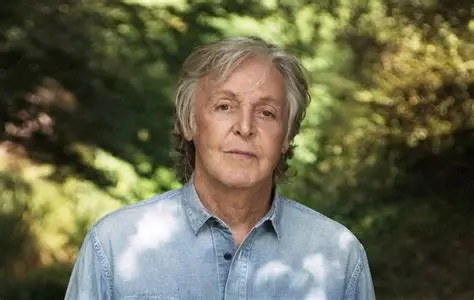
There are concerts, and then there are moments that seem to exist outside of time. When Paul McCartney walked onto the stage at the Fonda Theatre, it quickly became clear that this wasn’t just another live performance—it was something far more personal.
The Fonda Theatre, known for its relatively small size compared to massive arenas, set the perfect stage for a different kind of McCartney show. Gone were the sweeping stadium visuals and towering production elements. In their place was something simpler, but arguably more powerful: proximity. Fans weren’t just watching a legend from afar—they were sharing a room with him.
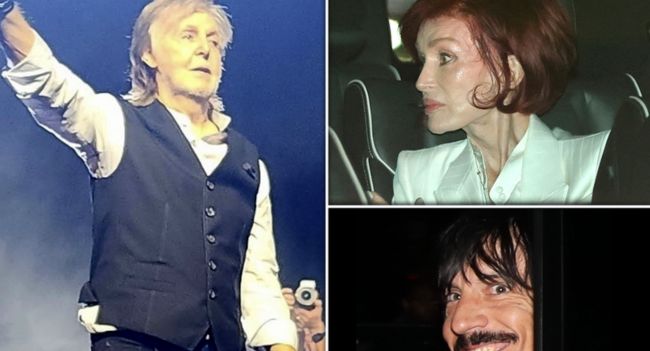
From the opening moments, the energy was unmistakable. McCartney moved effortlessly through a setlist packed with classics, including beloved tracks like “Help” and “Band on the Run.” These weren’t just nostalgic callbacks—they felt alive, recharged by the closeness of the space and the responsiveness of the crowd. Every chord and lyric carried a sense of immediacy, as if the songs had been written for that very night.
What stood out most, according to those in attendance, was the connection. McCartney didn’t perform at the audience—he performed with them. There were smiles exchanged, shared singalongs, and moments where the boundary between artist and listener seemed to dissolve entirely. It’s a dynamic that’s difficult to achieve in larger venues, but in this setting, it became the defining feature of the night.
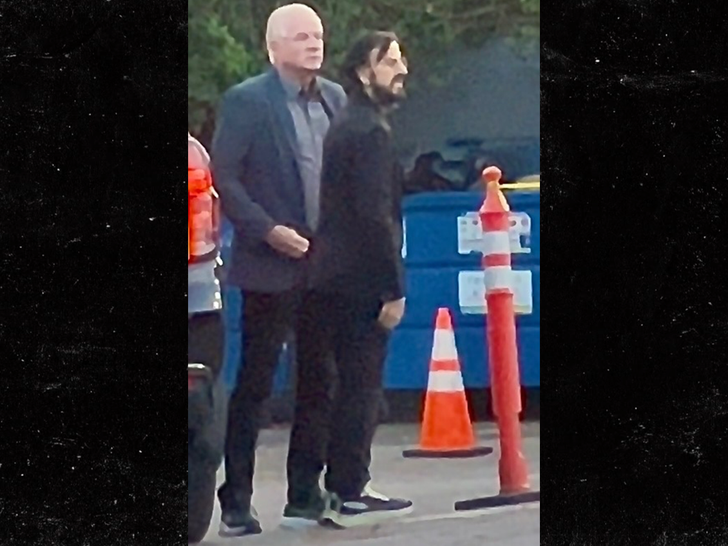
Even among a crowd that reportedly included well-known faces, there was a shared sense of awe. After all, this is an artist whose catalog helped shape modern music. Yet instead of relying solely on that legacy, McCartney leaned into the present, delivering each song with the same commitment and enthusiasm that first made them iconic.
As the night unfolded, it became increasingly clear why the performance has started to gain attention far beyond those who were lucky enough to be there. Clips and reactions circulating online capture glimpses of what made the show special, but they only hint at the full experience. The real magic was in the atmosphere—the feeling of witnessing something both historic and immediate.
For longtime fans, it was a reminder of why McCartney’s music has endured for decades. For newer listeners, it offered proof that his work isn’t confined to the past—it continues to resonate in real time. And for everyone in the room, it was a rare opportunity to see a global icon in a setting that stripped everything back to what matters most: the music.
In an era of ever-expanding spectacle, this performance stood out by doing the opposite. It showed that even after a lifetime of accolades, Paul McCartney can still surprise audiences—not by going bigger, but by going closer.