For decades, the relationship between Apple Corps and Apple Inc. was defined less by collaboration and more by conflict. What began as a naming dispute evolved into a prolonged legal battle—one that symbolized the tension between music history and modern technology.

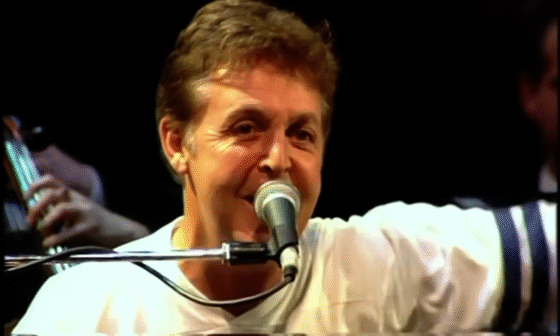
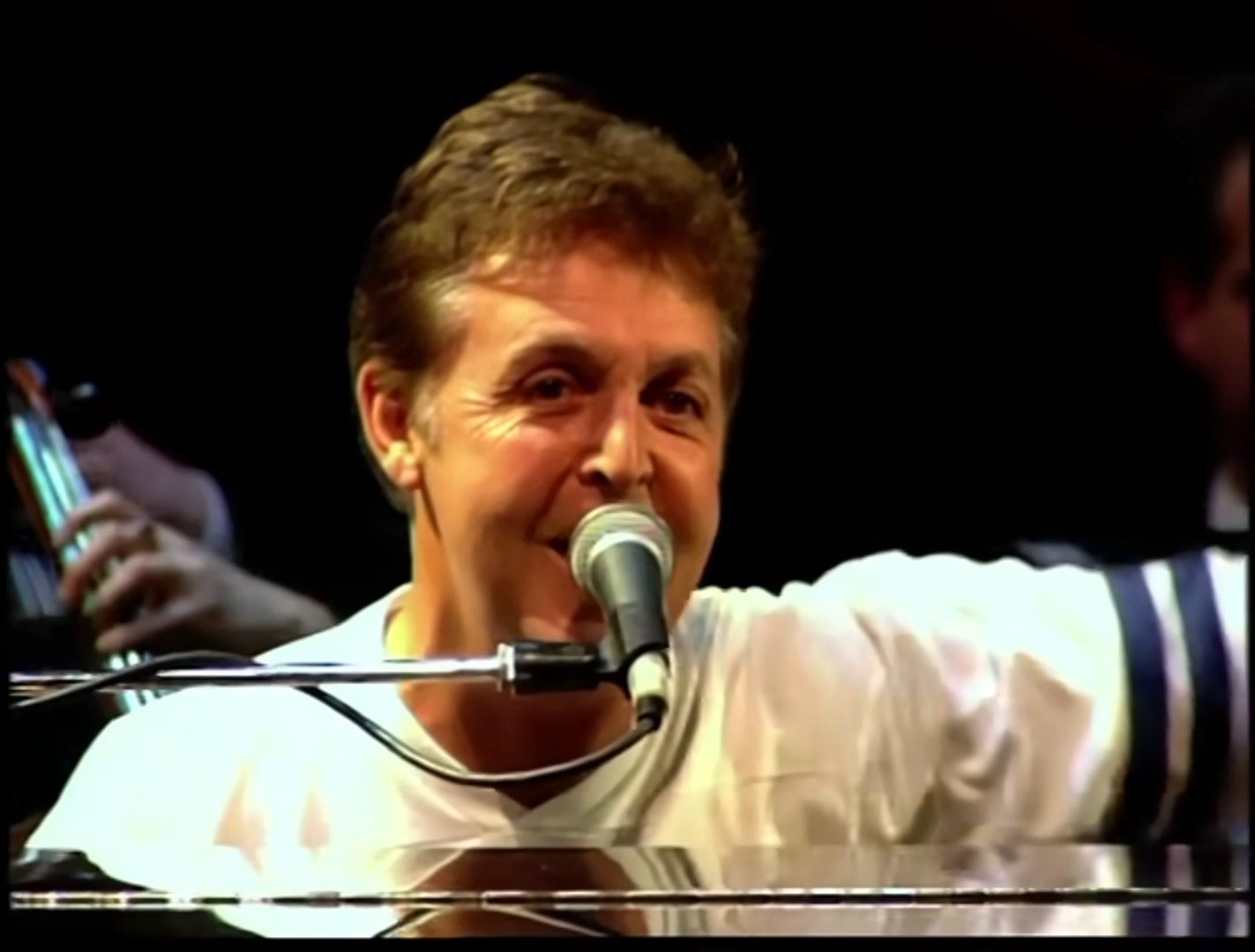
So when Paul McCartney stepped onto the stage at Apple’s 50th anniversary celebration, it wasn’t just another performance. It was something far more symbolic: a quiet resolution to a story that had stretched across generations.
For fans of The Beatles, the moment carried a sense of surreal nostalgia. Apple Corps, founded by the band in the late 1960s, was once at the heart of their creative and business identity. Meanwhile, Apple Inc. would grow into one of the most influential technology companies in the world—its name unintentionally echoing that earlier legacy.

The clash between the two entities was never just about trademarks. It represented a broader shift in how music was created, distributed, and consumed. Over time, however, agreements were reached, tensions eased, and what once felt like a rivalry gradually softened into coexistence.
McCartney’s appearance felt like the final note in that long composition.

At 83, he remains an artist in motion. His performance reportedly blended iconic Beatles-era songs with solo material spanning decades, along with glimpses of newer work. It wasn’t just a retrospective—it was a reminder that his creative journey is still unfolding.
Yet what truly captured fans’ attention wasn’t just the setlist. It was McCartney’s reflection on why he chose to take part in the event at all.
For someone so closely tied to Apple Corps, returning under the banner of Apple Inc. could have easily felt complicated. But his words suggested something simpler and more human: a willingness to move forward, to embrace change, and to recognize how far things have come.
There’s a certain weight to that perspective, especially coming from someone who lived through the original era of The Beatles. McCartney has seen the music industry transform in ways that would have been unimaginable in the 1960s. Vinyl gave way to cassettes, then CDs, and eventually digital streaming—much of it shaped by companies like Apple itself.
In that context, his appearance wasn’t just about revisiting the past. It was about acknowledging the present.

Fans have responded strongly, not only because of the performance itself but because of what it represents. There’s something powerful about seeing a long-standing divide quietly resolved—not through headlines or dramatic statements, but through music.
Moments like this remind us why McCartney’s legacy continues to resonate. It’s not only about the songs, though those remain timeless. It’s also about his ability to adapt, to connect, and to find meaning in unexpected places.
As he continues to tour and work on new material, McCartney shows no signs of slowing down. And if this appearance is any indication, he’s still capable of surprising audiences—not just with his music, but with the moments that surround it.
In the end, his return to Apple wasn’t just a performance. It was a full-circle moment, one that quietly closed an old chapter while opening the door to whatever comes next.