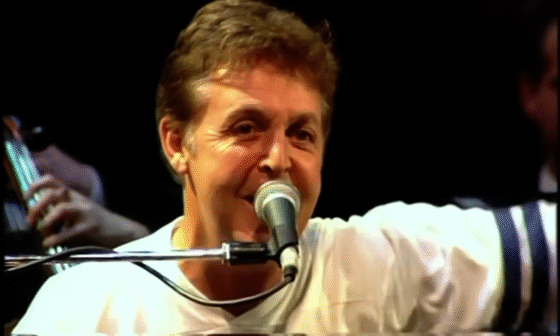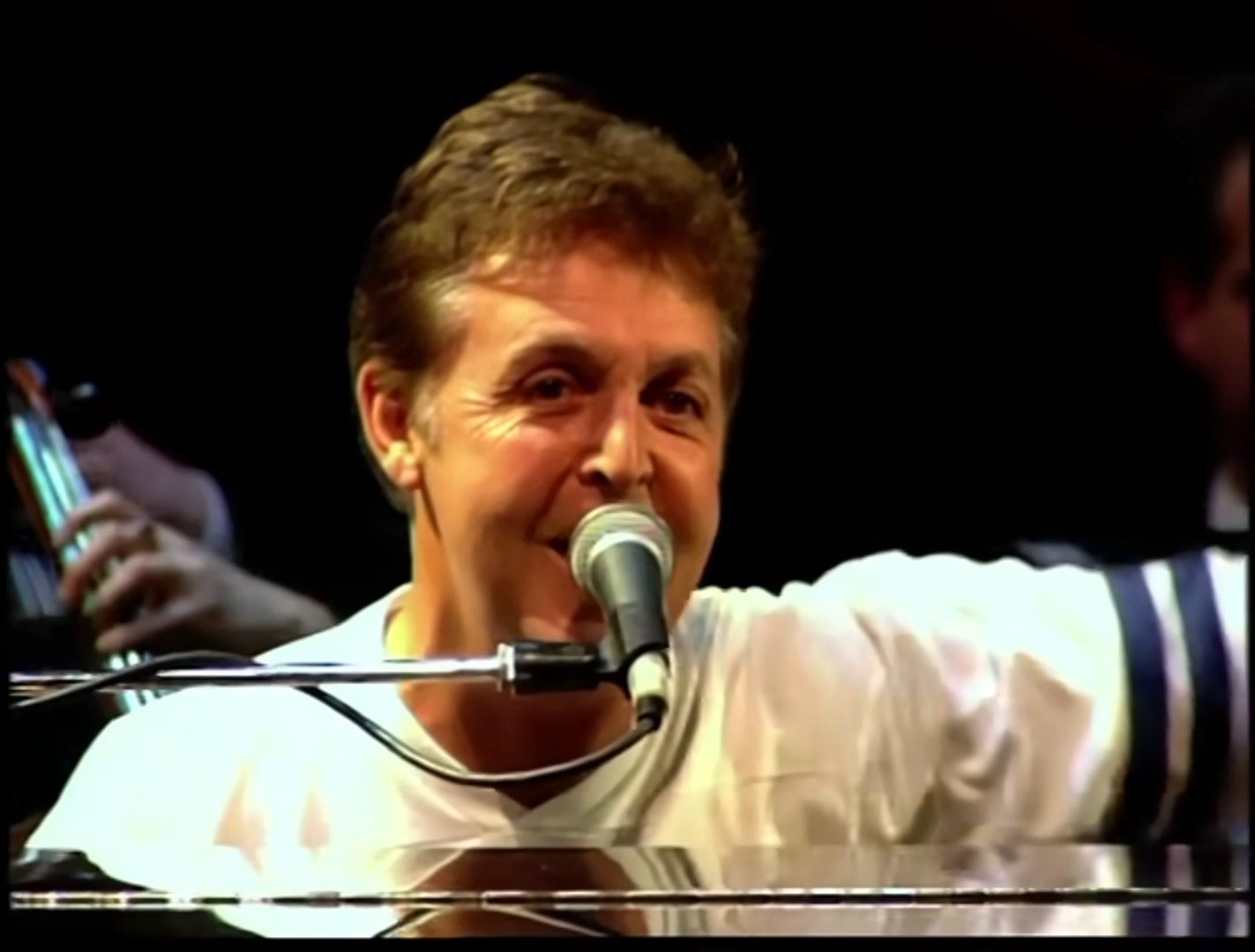
When an artist like Paul McCartney releases new music, it’s never just another album—it’s an event. With a career that has shaped generations of listeners, every project carries a sense of curiosity: what more can he say, and how will it sound now?
His latest release, “The Boys of Dungeon Lane,” arrives with that exact sense of anticipation. For fans who have followed him since his days with The Beatles, the album represents both continuity and change—a bridge between the past and whatever comes next.
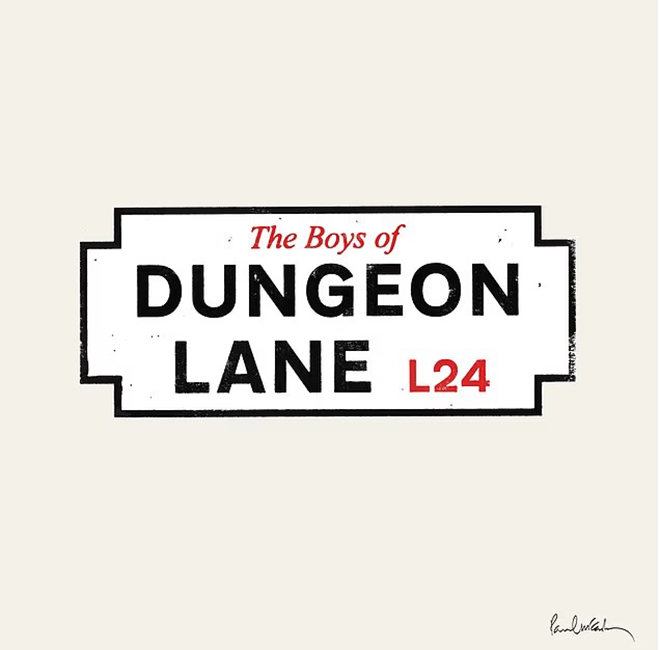
From the opening track, there’s an immediate familiarity. McCartney’s melodic instincts remain intact, with warm harmonies and thoughtful arrangements that recall the songwriting approach that made him a household name. Yet there’s also a subtle shift. The production feels more reflective, less concerned with grandeur and more focused on atmosphere.
That balance is what defines the album. It doesn’t attempt to recreate earlier eras note-for-note, nor does it abandon them entirely. Instead, it builds on them. Listeners may catch glimpses of classic influences—gentle piano lines, layered vocals, and understated guitar work—but these elements are woven into something that feels present rather than nostalgic.
Lyrically, the album leans into introspection. There’s a sense of looking back, not with regret, but with clarity. Themes of memory, time, and connection appear throughout, giving the record a cohesive emotional thread. McCartney has always had a gift for writing songs that feel personal yet widely relatable, and that quality remains central here.
One of the most compelling aspects of “The Boys of Dungeon Lane” is its pacing. Rather than aiming for constant energy, the album allows space for quieter moments. These tracks don’t demand attention—they invite it. For longtime fans, this restraint may feel especially meaningful, offering a chance to hear an artist comfortable in his own legacy.
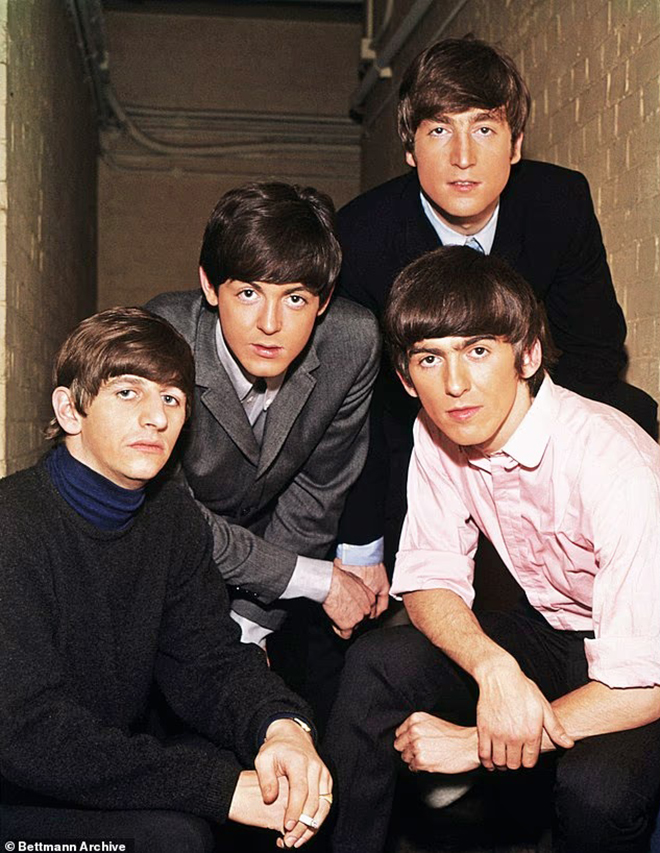
At the same time, there are flashes of experimentation. Unexpected chord changes, subtle shifts in rhythm, and modern production touches suggest that McCartney is still exploring, still curious. It’s this willingness to evolve that has kept his music relevant for so long.
The response from listeners reflects that duality. Some are drawn to the echoes of earlier work, hearing connections to the sounds that first made them fans. Others are more interested in the new textures and perspectives. In truth, the album succeeds because it accommodates both.
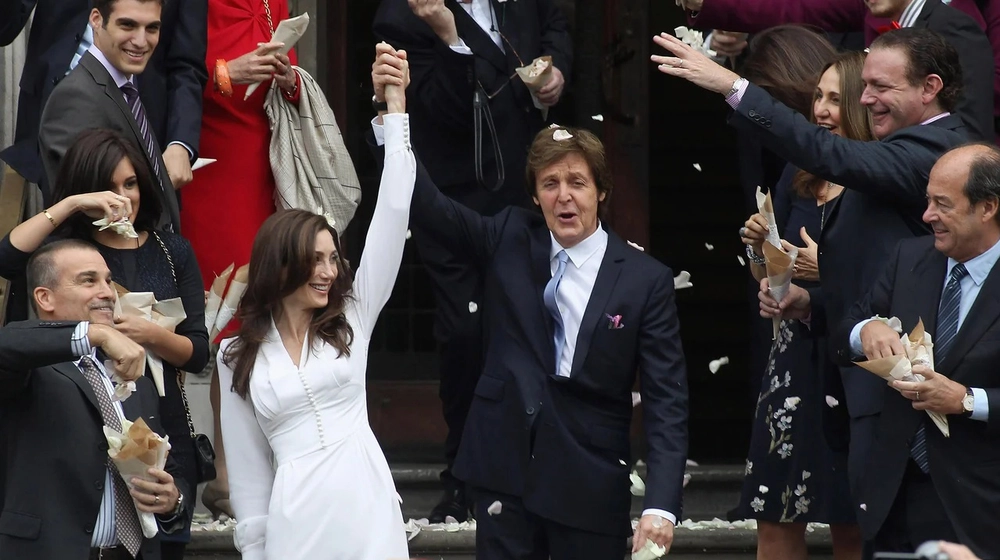
For music fans, this release is a reminder of what longevity in art can look like. It’s not about repeating success or chasing trends—it’s about continuing to create with intention. McCartney doesn’t try to prove anything here. Instead, he offers a collection of songs that feel honest, considered, and distinctly his own.
“The Boys of Dungeon Lane” may not aim to redefine music in the way his earlier work once did, but it doesn’t need to. Its strength lies in its authenticity—a reflection of an artist who has spent a lifetime writing songs and still finds meaning in the process.

And in that sense, the album isn’t just another chapter. It’s a continuation of a story that, even now, continues to unfold.