There are artists who define an era, and then there are those who continue to shape music long after that era has passed. Paul McCartney firmly belongs to the latter. Decades after his rise with The Beatles, he remains not only relevant, but actively engaged in creating what comes next.
At a stage in life where many would step back and let their legacy speak for itself, McCartney has chosen a different path. He continues to write, record, and perform, driven not by obligation, but by a genuine desire to keep exploring music. It’s this commitment that has kept his career feeling alive rather than archival.
In recent months, conversations around new material and upcoming performances in 2026 have begun to build momentum. Fans aren’t just revisiting his past work—they’re looking forward, curious about what he will do next. That anticipation says a great deal about the kind of artist McCartney has always been. He doesn’t rely solely on what he’s already accomplished; he adds to it.

This mindset has defined his entire career. From the groundbreaking years of The Beatles to his solo work and collaborations, McCartney has consistently embraced change. His music has evolved with time, yet it has never lost its core sense of melody and emotional clarity. That balance between familiarity and exploration is what allows him to connect with multiple generations at once.
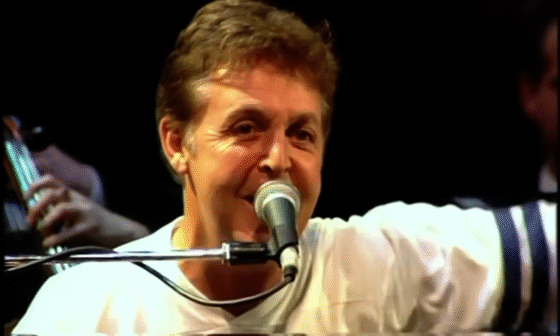
Live performances remain a central part of that connection. When McCartney steps onto a stage, the experience goes beyond nostalgia. Yes, audiences come to hear songs that have shaped their lives—but they also come to witness an artist who is still fully present in his craft. There’s an energy in his performances that reflects not just experience, but continued curiosity.
Upcoming shows are already drawing global attention, with fans eager to be part of that experience. For many, it’s an opportunity to hear timeless classics performed by the person who created them. For others, it’s about something more immediate—the chance to see an artist who continues to push forward, even after achieving what most could only dream of.
What makes McCartney’s ongoing journey particularly compelling is how naturally it unfolds. There’s no sense of reinvention for the sake of staying relevant, nor any attempt to chase trends. Instead, his work reflects a steady evolution, guided by instinct and passion rather than expectation.
This is why describing his current moment as a “comeback” doesn’t quite fit. He never really left. Instead, he has remained in motion, adapting and growing while staying true to the essence of what makes his music resonate.
As 2026 approaches, one thing is clear: Paul McCartney’s story is still being written. Not as a retrospective, but as a living, breathing continuation of a career that refuses to stand still.
And for fans around the world, that may be the most exciting part of all.