
Introduction
MIAMI — It was the night the world forgot to breathe. March 26, 1960. Two years after the U.S. Army swallowed him whole, Elvis Presley walked onto a stage built for another man — a man who had once mocked rock and roll as “the martial music of every delinquent.” That man was Frank Sinatra.
And yet, under the glare of the studio lights, in front of millions of viewers nationwide, it was clear from the very first second who really owned the night.
He didn’t arrive in leather. He didn’t swivel. He didn’t roar.
He came in wearing a tuxedo — calm, immaculate, lethal.
With one finger snap, one crooked grin, and one verse of “Stuck on You,” Elvis didn’t just make a comeback.
He showed the world he had never left.
This is the story of the most daring comeback television had ever seen — the night the former rebel became a grown icon, the night an entire generation fell in love all over again, and the night The King reclaimed his crown without lifting more than an eyebrow.
THE FEAR THAT ALMOST ATE HIM ALIVE
To understand the explosion of that performance, you have to understand the terror behind it.
Two years.
Two long, silent years.
Today, two years off might mean a quiet Instagram hiatus.
But in 1960? It was a death sentence for a pop idol.
While Elvis trained, shaved, marched, and obeyed orders in Friedberg, Germany, the world spun without him.
Buddy Holly had died.
Little Richard had left the stage for the pulpit.
Teen idols like Fabian and Bobby Darin had flooded the airwaves.
Fans move on.
Time moves on.
And legends? Legends fade.
Elvis knew it.
In an interview later in life, he confessed the fear that gnawed at him from the inside out during those days before the broadcast:
“I was scared to death,” he admitted.
“I honestly didn’t know if they’d still want me… or if they’d forgotten me. Two years is a long time to be gone.”
The doubt followed him everywhere — in the dressing room, in the hallway, even in the quiet seconds before he stepped out under the lights.
But behind the scenes, his manager, the sly and theatrical Colonel Tom Parker, had engineered something audacious.
Not a small gig.
Not a teen-crowd warmup.
A televised golden-hour duel with Frank Sinatra himself.
If Elvis won that night, he won the future.
If he lost — his era was over.
THE “PEACE TREATY” BETWEEN TWO EMPIRES
Sinatra represented the old guard — polished tuxedos, velvet ballads, champagne-soaked supper clubs. Parents trusted him. Critics adored him.
Elvis was the opposite — dangerous hips, rebellious hair, music that scandalized half the country and electrified the other half.
For the two of them to share a stage was nothing short of a cultural ceasefire.
One insider who worked on the show recalled the tension:
“It felt like putting fire and ice in the same room and hoping the place wouldn’t melt or explode.”
But as the cameras rolled, the tension turned into something else — something closer to history being written in real time.
THE TUXEDO THAT CHANGED EVERYTHING
When the world first glimpsed Elvis that night, it froze.
Gone was the leather-clad bad boy.
Gone the swinging arms, the snarling lips.
In his place stood a man — sharp, composed, devastatingly handsome.
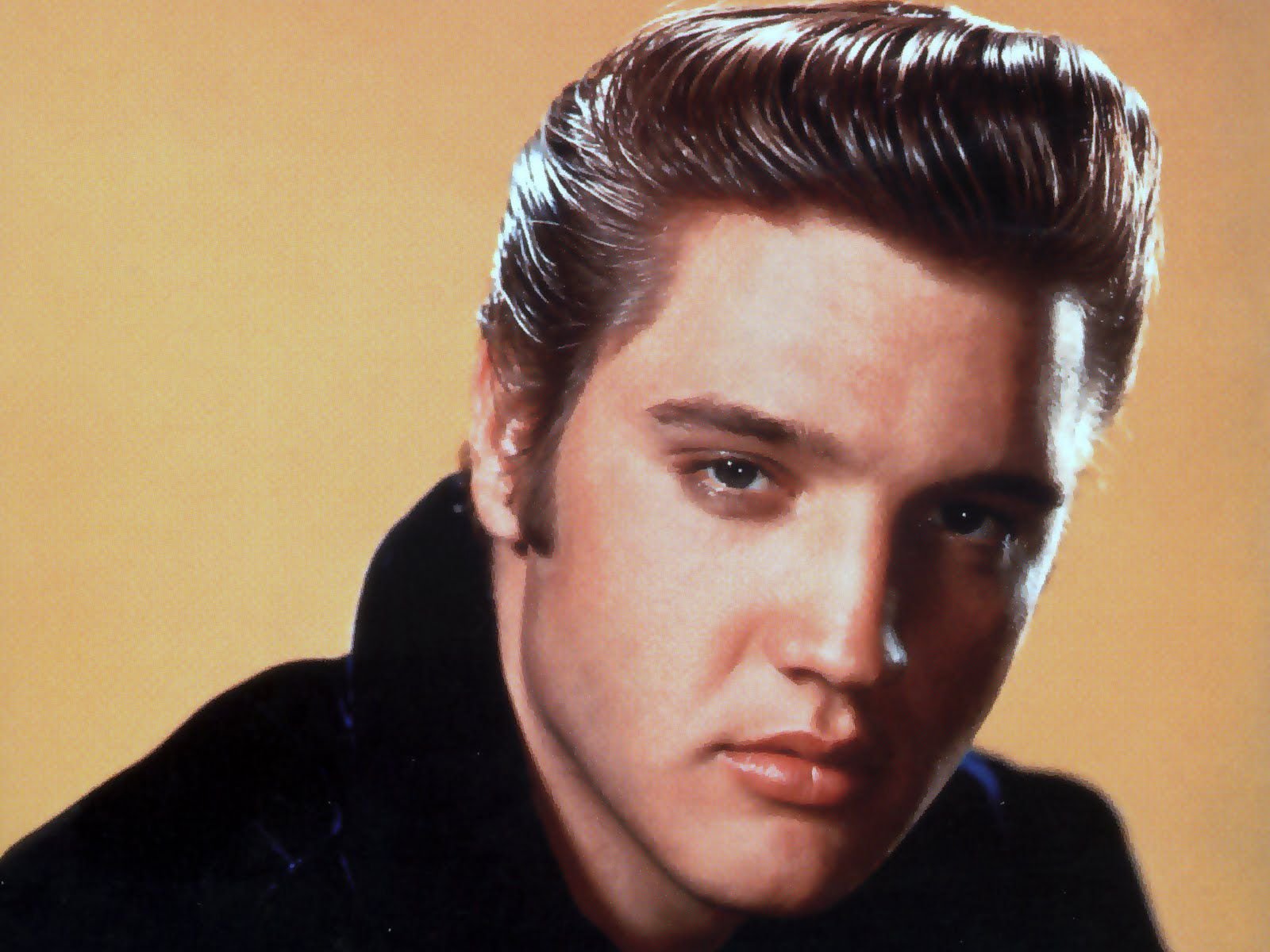
Hair styled higher than the Army would ever allow, eyes sparkling with nerves and confidence in equal measure.
This wasn’t the 1956 lightning bolt.
This was a man who had walked through fear, seen death in uniform, and come back stronger.
And then… the snap.
That finger snap hit like a pulse of electricity through the theater.
He didn’t need to shake. He didn’t need to shout.
A single snap carried more charisma than most performers summoned in a lifetime.
When he leaned into the mic and crooned the opening lines of “Stuck on You,” the response was instant — a detonation of screams, sobs, and pure hysteria.
Studio staff would later describe the audience as “an earthquake made of teenage lungs.”
One female audience member interviewed afterward exclaimed:
“When he smiled, I thought I was going to pass out. It felt like he was singing to every girl in the room at once.”
THE MAGIC IN HIS STILLNESS
What made the performance unforgettable wasn’t spectacle.
It was restraint.
Elvis barely moved.
He stood tall, one foot planted forward, tuxedo crisp, tie straight, hands relaxed.
But every tiny motion — a shoulder shift, a brow lift, a half-grin — sent shockwaves through the crowd.
He had traded raw sexuality for hypnotic elegance.
Danger for command.
Boyhood for stardom.
The Jordanaires struggled to be heard over the shrieking.
Every flick of his heel triggered another wave of hysteria.
He was calmer than he’d been in years — but more powerful than ever.
FROM ROCKER TO SUPERSTAR
Music historian Peter Guralnick later summarized this transformation perfectly:
“The danger was gone. In its place was a brilliance — a blinding charisma — that even his critics could no longer deny.”
Elvis wasn’t simply returning to the world.
He was reinventing himself before its eyes.
He had survived the haircut.
He had survived the Army.
He had survived time.
And now he was bigger — not smaller — than before.
By the final chorus, it was obvious.
The King was not only back.
He was untouchable.
WHAT THIS PERFORMANCE MEANT — AND STILL MEANS
Looking back at the footage today, knowing the tragedies that would come later, the moment hits differently.
You see a man at the height of his beauty, his discipline, his vocal control.
A man glowing with gratitude, excitement, and second chances.
A man who truly believed — maybe for the last time — that the future was limitless.
The tuxedo didn’t tame him.
It crowned him.
As he bowed at the end, the crowd’s roar wasn’t applause.
It was a verdict.
The King had returned.
And the world had been waiting.
A door had opened that night — a door into the next era of his career.
And somewhere on the horizon, another chapter waited to be written.
Video