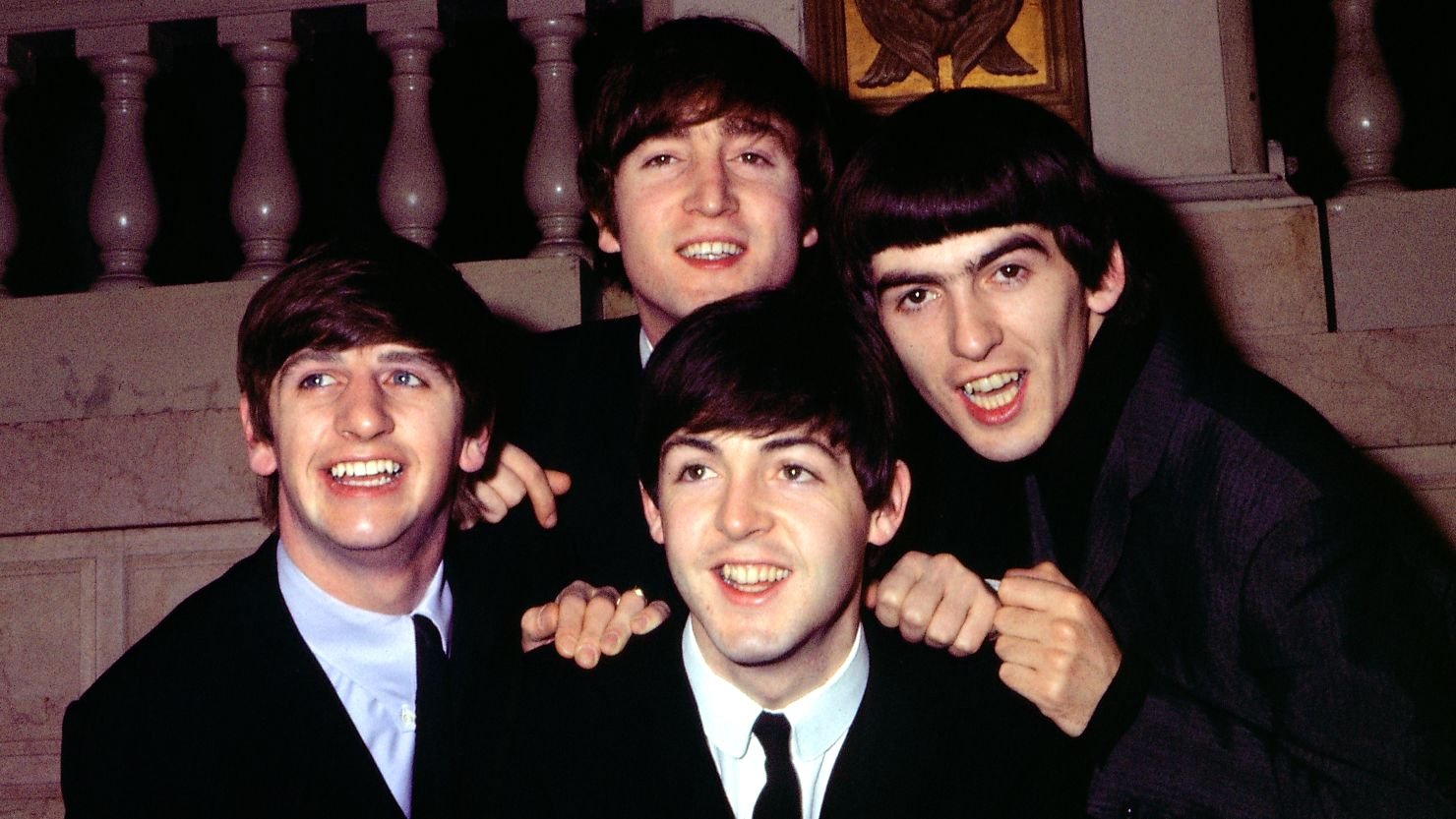
For decades, the story of The Beatles has largely revolved around the creative brilliance of John Lennon and Paul McCartney. Their songwriting partnership, often seen as the driving force behind the band’s success, has shaped how fans and historians remember the group. But newly restored archival footage is beginning to shift that narrative—gently, yet meaningfully—toward a quieter presence: Ringo Starr.
At first glance, the footage doesn’t seem revolutionary. There are no dramatic arguments, no lost songs, no headline-grabbing revelations. Instead, what it offers is something far more subtle: a closer look at the band’s internal rhythm—not just musically, but emotionally. And at the center of it all sits Ringo, steady and unassuming.

In clip after clip, while Lennon and McCartney exchange ideas or drift into creative tension, Ringo remains grounded. His drumming is precise but never overpowering, supportive without being passive. He listens closely, responds intuitively, and somehow keeps everything aligned. It becomes clear that his role wasn’t simply to keep time—it was to hold space for the others to create freely.
What has caught fans off guard, however, is a brief backstage moment tucked between performances. It’s not dramatic by any means. There’s no confrontation or speech. But in that quiet exchange—barely a few seconds long—Ringo appears to diffuse a rising tension with nothing more than a few calm words and a shift in tone. The atmosphere changes almost instantly. Conversations soften. The energy resets.
It’s the kind of moment that might have gone unnoticed before. But seen now, in context, it carries a different weight. Fans are beginning to recognize that Ringo’s contribution may have extended far beyond what was visible on stage or captured in studio recordings.
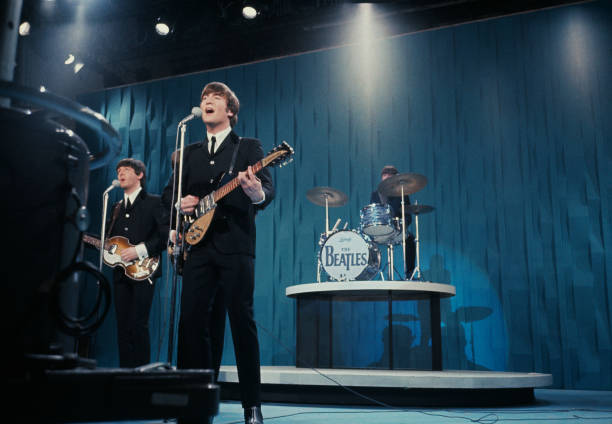
Being part of a band as influential as The Beatles required more than talent. It demanded balance—something not easily maintained amid fame, pressure, and creative differences. While Lennon and McCartney pushed boundaries and explored new artistic directions, Ringo provided a kind of emotional consistency. He didn’t compete for attention, nor did he try to dominate the creative process. Instead, he supported it, quietly ensuring that the group functioned as a unit.
This emerging perspective doesn’t diminish the contributions of Lennon or McCartney. Rather, it adds depth to the story. It suggests that the band’s success wasn’t just about bold ideas or iconic melodies, but also about stability—the kind that often goes unrecognized because it doesn’t demand the spotlight.
For longtime fans, this shift in understanding feels both surprising and overdue. Ringo Starr has always been appreciated, but perhaps not fully understood. These newly surfaced clips offer a chance to see him differently—not just as the drummer at the back, but as the steady pulse that helped keep everything together.

Sometimes, the most important role in a story isn’t the loudest one. And as these quiet moments resurface, they remind us that even in a band as legendary as The Beatles, harmony wasn’t just created through music—it was sustained by those who knew how to hold it.